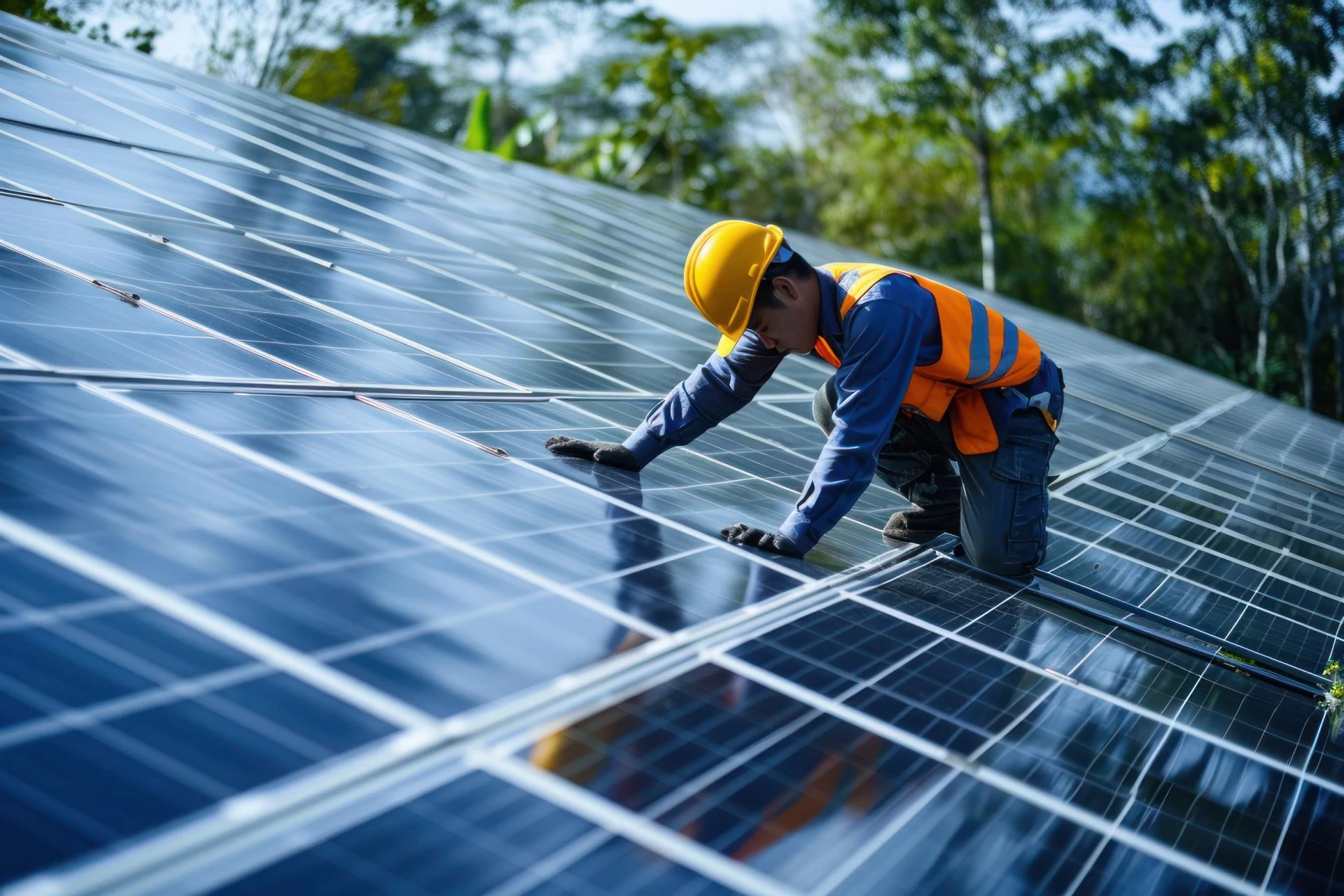

Solar in the U.S. isn’t only a growing niche anymore. It has become the main event. But as the projects get bigger and more complicated, the old way of buying gear is falling apart. You can’t rely on calling up a local guy and hope he has enough panels in the back of a van.
The industry is moving toward a much more aggressive, high-tech model for wholesale solar systems. It’s no longer about who has the cheapest price. Who has the smartest logistics is of much more importance. From residential installs to massive utility builds, the behind the scenes supply chain is what’s actually dictating how fast we can transition to clean energy.
Moving Past the Local Supplier Mindset
In the early days, solar distribution was a mess. Lead times were a guessing game and inventories were tiny. Now, we’re seeing a shift toward massive regional hubs and digital platforms that actually work.
Modern distribution is all about data. We’re talking real-time stock tracking and predictive ordering so that when you need a pallet of panels, they’re already sitting in a warehouse two hours away rather than on a ship in the Pacific. For an installer, this means you can actually promise a start date to a customer and keep it.
The Rise of the System-in-a-Box
We’re moving away from buying random parts and hoping they play nice together. Today’s projects are complex, you’ve got smart inverters, EV chargers, and battery backups all needing to talk to each other.
Wholesalers are pivoting toward pre-configured, integrated bundles. Instead of spending hours matching specs, you buy a vetted system where the compatibility is already guaranteed. It saves a massive amount of time on the roof and even more time in the office during the procurement phase.
Logistics is the New Tech
The biggest innovation lately isn't a more efficient cell. The new innovation is better software in the warehouse. Automated systems are now predicting demand spikes before they happen. For the guy on the ground, this translates to fewer backorders and “just-in-time" deliveries that keep your labor costs from spiraling while a crew sits idle.
Regional Hubs: Cutting the Carbon (and the Cost)
Shipping a ton of glass across the country is expensive and environmentally stupid. Suppliers are now building out massive networks of regional warehouses. By fulfilling orders locally, they’re cutting down on shipping damage, lowering freight costs, and, thankfully, making it way easier to grab a replacement part if something shows up broken on-site.
The Battery Boom is Changing Everything
Storage isn't an add-on anymore. For many clients, it’s the whole point. This has forced wholesale solar systems distributors to become experts in battery chemistry and fire codes overnight. The trend now is sourcing complete solar-plus-storage packages from a single source so that if something glitches, you only have one neck to wring.
Going Digital (Finally)
The days of faxing over orders or waiting for a callback are (mostly) over. Installers now expect a dashboard where they can configure a system, check real-time stock, and track a truck like it's a pizza delivery. This transparency is a huge relief for project managers who need to coordinate with electricians, roofers, and inspectors all at once.
Training and Field Support
Because the tech is moving so fast, a lot of wholesalers are stepping up to act as trainers. They’re offering the certifications and field troubleshooting that help smaller shops stay competitive. When your supplier actually knows how to commission a high-voltage battery, they aren't only a vendor. They become an extension of your team.
Dealing with the Global Mess
Let's be real: trade policies and manufacturing bottlenecks are still a headache. But the best distributors are diversifying where they get their gear and keeping safety stock to buffer against the next big global hiccup. It’s that move from fragile to resilient that separates the pros from the amateurs.
Solar Future
The future of solar isn't about better panels. It’s about a smarter way to get those panels onto roofs. As the all-electric lifestyle becomes the norm, the role of the wholesaler is shifting from a simple middleman to a high-tech logistics partner.
If you want to keep your crews busy and your margins healthy, you need a supply chain that’s as modern as the tech you’re installing.












Sign in to leave a comment.