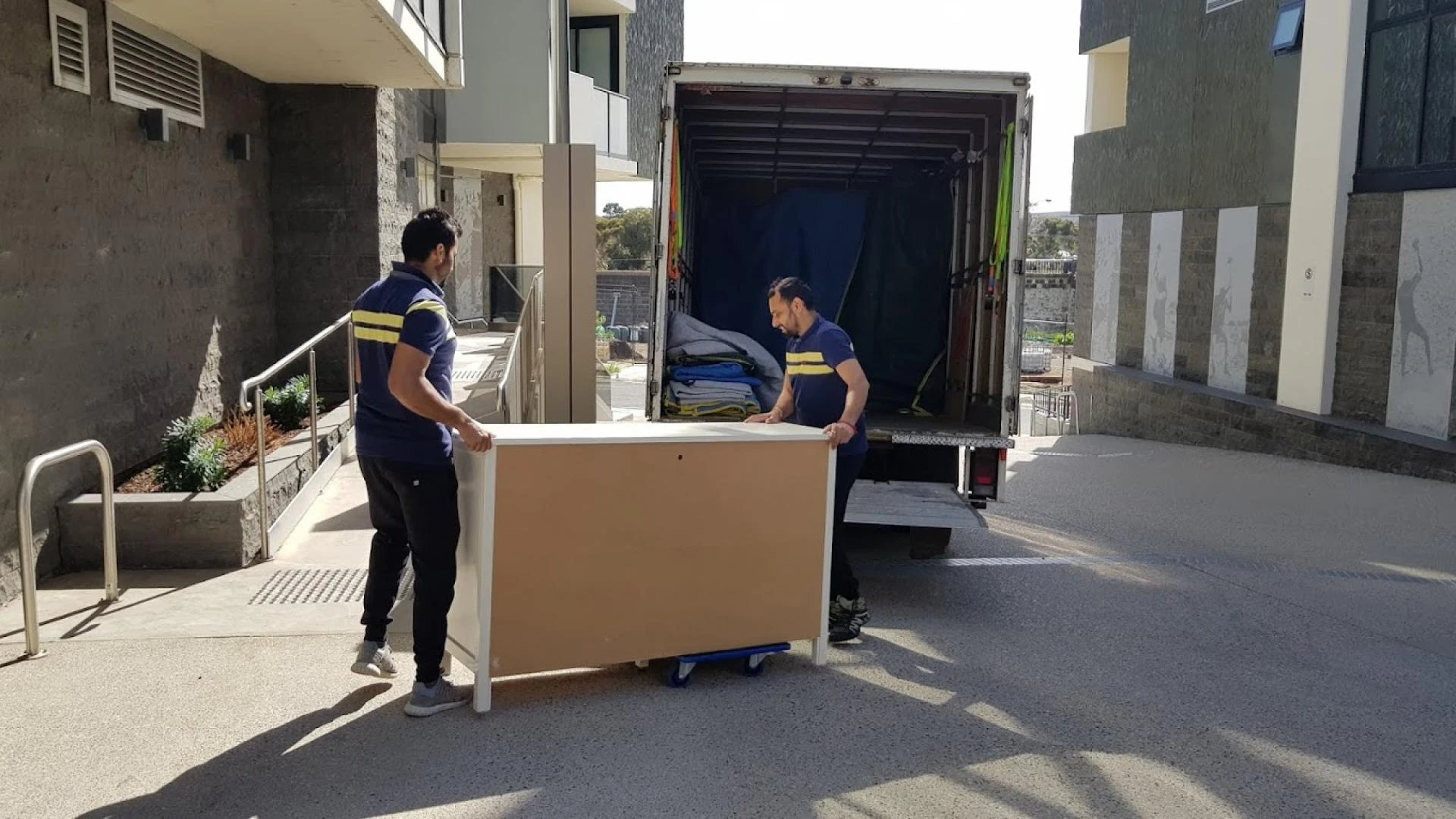

Moving to a new home is a bit like preparing for a marathon—you’re excited about the finish line, but the process leading up to it can feel exhausting. The chaos of packing, organizing, and figuring out logistics is stressful enough without thinking about the environmental impact. However, even though you do not think about it, the manner in which you pack and move can very well be a major source of environmental pollution.
Plastic wrap, Styrofoam, and single-use boxes are typical traditional moving materials. Indeed, such materials may be good enough to handle the pressing needs of the situation; they nonetheless have the underlying disadvantage of wasting and polluting both the environment and society excessively. In the environment, plastic wrap and Styrofoam, for instance, do not decompose; therefore, they stay for years in the earth. Unnecessary waste from single-use plastic is a growing problem, but thankfully, there are already sustainable alternatives that are just as effective.
Eco-friendly moving materials, on the other hand, present a sustainable substitute for effective performance and will help reduce waste as well. For example, reprocessing and recycling activities, as well as a well-organized waste management system, can significantly contribute to ecological preservation. The green moving materials we have in our market today are biodegradable, recyclable, and made from recycled materials that are friendly to the environment.
Switching to eco-friendly materials is not only beneficial for the planet but also makes the entire moving process more cost-effective and stress-free. This guide will explore the differences between eco-friendly and traditional moving materials, highlight the benefits of sustainable packing options, and provide practical tips for reducing waste during your next move.
Key Takeaways
✅ Overview of eco-friendly vs. traditional moving materials and their environmental impact.
✅ Benefits of using biodegradable, reusable, and recycled packing supplies.
✅ How eco-friendly materials reduce waste and carbon footprint during a move.
✅ Cost comparison between sustainable and traditional packing materials.
✅ Expert tips for choosing the best moving supplies for a green and efficient relocation.
1. Understanding Eco-Friendly vs. Traditional Moving Materials
What Are Traditional Moving Materials?
Traditional moving materials refer to the material that is set as a standard or a foundation material for newly made materials. Examples of standard materials are the following: plastic wrap, Styrofoam, packing peanuts, and single-use cardboard boxes.
Yes, because they are good at packaging, they even protect your belongings. At the same time, they do harm to the environment and make the mother earth heavier in waste and pollution.
- Plastic wrap – A type of strong, flexible, and lightweight wrapping. It’s excellent for moisture protection, but it’s not biodegradable and remains in landfills for hundreds of years.
- Styrofoam – Effective for cushioning fragile objects, but it takes hundreds of years to biodegrade and releases harmful chemicals into the air.
- Packing peanuts – Lightweight and effective for filling gaps in boxes, but they are made from polystyrene, which is non-biodegradable and difficult to recycle.
- Single-use cardboard boxes – While recyclable, many are discarded after one use, contributing to landfill waste.
What Are Eco-Friendly Moving Materials?
Eco-friendly moving materials are a nice invention by engineers to help save the planet by reducing the pollution emanating from the activities of the traditional moving materials. Eco-friendly moving materials are the kinds of moving goods that are safe for the environment and the following are some of the notable attributes of such items:
- Recycled cardboard boxes – Just as sturdy as new ones, but biodegradable and easily recyclable.
- Cornstarch-based packing peanuts – A natural alternative to Styrofoam peanuts that dissolve in water and are compostable.
- Biodegradable bubble wrap – Made from plant-based materials that decompose naturally.
- Reusable moving blankets – Made from recycled fabric and designed to be used multiple times.
- Paper-based tape – An alternative to plastic tape that breaks down naturally.
Eco-friendly materials offer the same level of protection as traditional options while reducing environmental harm.
2. Benefits of Eco-Friendly Moving Materials
Switching to eco-materials for moving is not only a sound check for the ecological balance but it is also your best solution for your financial situation and your mental health.
✅ Reduced Waste
More often than not, traditional materials like plastic and Styrofoam will end up right in landfills after the first use. In contrast, some eco-friendly counterparts can break down naturally or be reused, hence their small impact on our waste dumpsites.
✅ Lower Carbon Footprint
These materials usually consume minimal amounts of energy from production to transportation, making them leading the league when it comes to greenhouse gas emissions reduction by minimizing the sources of these emissions.
✅ Safe and Non-Toxic
Packing materials can bring hidden threats from chemical releases as they face natural decomposition. However, biodegradable materials like cornstarch pellets and recycled boxes, on the other hand, are non-toxic and are thus safe for both users and the environment.
✅ Cost-Effective in the Long Run
Yes, it is true that most green materials will cost you a bit more money in the beginning but in the long run, you will save money because they are reusable. These plans have the upper hand of sparing one the need to continually purchase plastic all too often as the company frequently does.
3. Comparison of Common Moving Materials
When it comes to choosing between traditional and eco-friendly moving materials, the differences are quite significant. Traditional cardboard boxes, while recyclable, are often discarded after a single use, adding to landfill waste. In contrast, recycled cardboard boxes are not only reusable but also biodegradable, making them a more sustainable option. Traditional bubble wrap, made from plastic, takes centuries to decompose and adds to plastic pollution. On the other hand, biodegradable bubble wrap, typically made from plant-based materials, offers the same cushioning benefits but decomposes naturally without harming the environment.
Packing peanuts present a similar contrast. Traditional packing peanuts are made from polystyrene, which is not easily recyclable and can take hundreds of years to break down. Eco-friendly alternatives, made from cornstarch, dissolve in water and are compostable, reducing waste and environmental impact. Moving blankets also highlight the advantage of sustainable materials. Traditional disposable blankets are discarded after use, but eco-friendly moving blankets, made from recycled fabric, can be reused multiple times, cutting down on waste and costs. Lastly, plastic wrap is a staple in traditional moving, but it’s non-biodegradable and contributes to plastic waste. Eco-friendly alternatives, such as paper-based wrap or reusable stretch film, provide the same protection without the long-term environmental consequences.
4. Best Practices for a Sustainable Move
✅ 1. Declutter and Donate
Sell some preloved items (clothes, furniture, household items) that you do not use anymore, and recycle the others.
✅ 2. Use What You Have
Newspapers, magazines, and cardboard from cereal boxes can be used as wrapping and cushioning materials.
✅ 3. Rent Instead of Buy
You can find some smaller companies that rent out boxes, crates, and blankets. In the long run, this saves money and less rubbish is created.
✅ 4. Choose Sustainable Packing Materials
Recycled boxes, biodegradable bubble wrap, and compostable peanuts are the best options because they are environmentally friendly.
✅ 5. Work with Eco-Friendly Movers
Seek a moving company using energy-efficient trucks, practicing minimal waste, and prioritizing climate impact.
5. Overcoming Common Misconceptions About Eco-Friendly Moving
❌ Eco-Friendly Materials Are Too Expensive
While the initial cost may be higher, the durability and reusability of eco-friendly supplies reduce long-term expenses.
❌ Eco-Friendly Supplies Aren’t As Effective
Biodegradable bubble wrap and compostable peanuts are just as effective as their traditional counterparts.
❌ It’s Hard to Find Eco-Friendly Moving Supplies
Eco-friendly supplies are widely available through retailers, online platforms, and moving companies.
6. Why Professional Movers Matter for a Sustainable Move
Engaging the services of eco-friendly movers is a vital step for an eco-friendly move which has the merits of being responsible and efficient.
Among the most notable aspects of sustainable packing and moving, one will find materials, moving companies, eco-friendliness, and more.
7. Final Thoughts
Switching to eco-friendly materials like recycled cardboard boxes, cornstarch packing peanuts, and reused moving blankets reduces waste and costs while helping the planet. Working with the best house removalists in Melbourne who prioritize green moving methods makes the transition smoother and more sustainable. A little effort in choosing sustainable materials goes a long way toward a greener future.














Sign in to leave a comment.