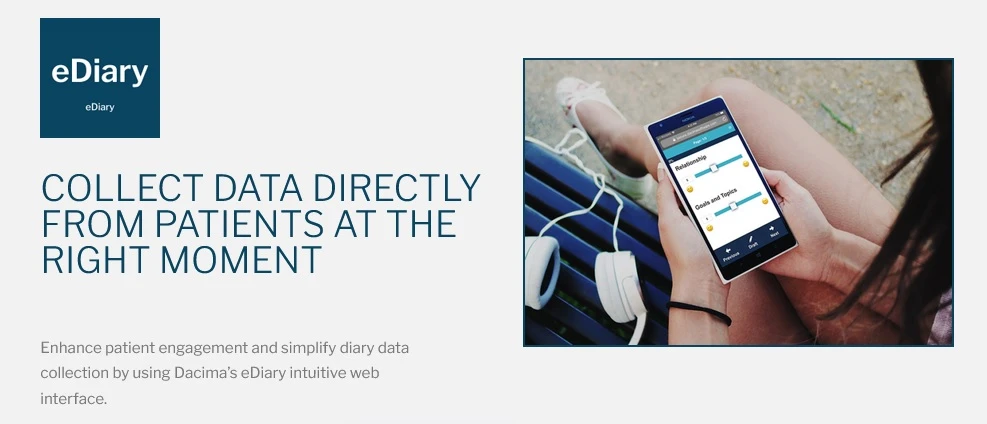

Accurate data collection is essential in clinical trials and observational studies. Over time, paper-based diaries have gradually been replaced by digital systems that improve reliability and compliance. eDiary software has become an important tool in modern research environments, allowing participants to record information in real time using secure electronic platforms. By reducing manual errors and improving timestamp accuracy, digital diaries help enhance overall study integrity and efficiency.
As research becomes more decentralized and technology-driven, digital tools are playing a larger role in capturing patient-reported outcomes and daily health data.
Understanding Electronic Diary Systems
An electronic Diary system is a digital platform designed to collect participant-reported information during clinical trials or research studies. These systems allow users to input data via smartphones, tablets, or web interfaces.
Unlike paper diaries, electronic systems can incorporate reminders, validation checks, and automatic data uploads. This structured approach improves data completeness and reduces missing entries.
Why Paper Diaries Present Challenges
Traditional paper diaries rely heavily on participant memory and manual entry. This can lead to delayed recording, incomplete responses, and transcription errors when transferring data into central databases.
Paper-based methods also lack real-time visibility for research teams, making it difficult to monitor compliance and identify issues early.
Advantages of Real-Time Data Capture
One of the primary benefits of digital diary platforms is real-time data entry. Participants can record symptoms, medication use, or daily activities at the moment they occur.
This reduces recall bias and enhances the accuracy of reported outcomes. Time-stamped entries provide a reliable audit trail that supports regulatory compliance.
Improving Participant Engagement
Modern digital diary systems often include user-friendly interfaces, reminders, and prompts that encourage consistent participation. Automated notifications help participants remember to complete required entries.
Enhanced engagement supports better compliance rates and reduces the likelihood of incomplete datasets.
Data Validation and Error Reduction
Built-in validation rules ensure that data entered meets predefined parameters. For example, required fields cannot be left blank, and values outside acceptable ranges can trigger alerts.
These safeguards improve overall data quality and minimize the need for time-consuming corrections during analysis.
Remote Monitoring Capabilities
With the expansion of decentralized clinical trials, remote monitoring has become increasingly important. Digital diary platforms allow study coordinators to review entries as they are submitted.
This real-time oversight helps identify potential safety concerns or protocol deviations quickly, supporting participant protection and study continuity.
Integration with Other Research Systems
Many digital diary platforms are designed to integrate with electronic data capture systems and clinical trial management tools. This integration reduces duplication of effort and streamlines workflows.
Data synchronization ensures that information collected through diaries is immediately available for analysis and reporting.
Enhancing Regulatory Compliance
Regulatory authorities emphasize data integrity and traceability. Digital diary platforms provide secure storage, encryption, and detailed audit trails.
These features help research organizations maintain compliance with international guidelines and data protection standards.
Customization for Study Needs
Clinical trials vary widely in scope and complexity. Digital diary systems can be customized to accommodate different protocols, question formats, and reporting schedules.
Flexible design ensures that data collection aligns precisely with study objectives.
Supporting Diverse Patient Populations
User-friendly design is critical for ensuring accessibility across diverse populations. Clear instructions, multilingual interfaces, and intuitive navigation improve usability.
Accessibility considerations help promote inclusive participation in clinical research.
Addressing Data Security Concerns
Security is a major consideration in digital health solutions. Robust encryption, secure login protocols, and controlled access levels protect sensitive participant information.
Maintaining confidentiality builds trust among participants and stakeholders alike.
The Role of eDiary Platforms in Modern Trials
As clinical research continues to evolve, eDiary software is increasingly central to patient-reported outcome collection. Its ability to capture timely, accurate data supports improved study quality and operational efficiency.
By reducing reliance on manual processes, digital diary platforms contribute to more streamlined and transparent research environments.
Looking Toward the Future
Advancements in mobile technology, wearable integration, and cloud-based infrastructure are shaping the next generation of electronic Diary systems. Enhanced analytics and real-time dashboards provide deeper insights into participant behavior and study trends.
As digital innovation continues, diary platforms are likely to become even more integrated with broader health data ecosystems.
Digital transformation in clinical research has shifted data collection toward more reliable and efficient methods. Through real-time capture, automated validation, and secure storage, modern diary systems enhance both participant experience and study outcomes. By embracing structured digital tools, research organizations can improve compliance, data accuracy, and regulatory alignment in an increasingly complex clinical landscape.
Dacima Software contributes to discussions surrounding clinical data management technologies, electronic data capture solutions, and secure digital systems supporting research operations.











Sign in to leave a comment.