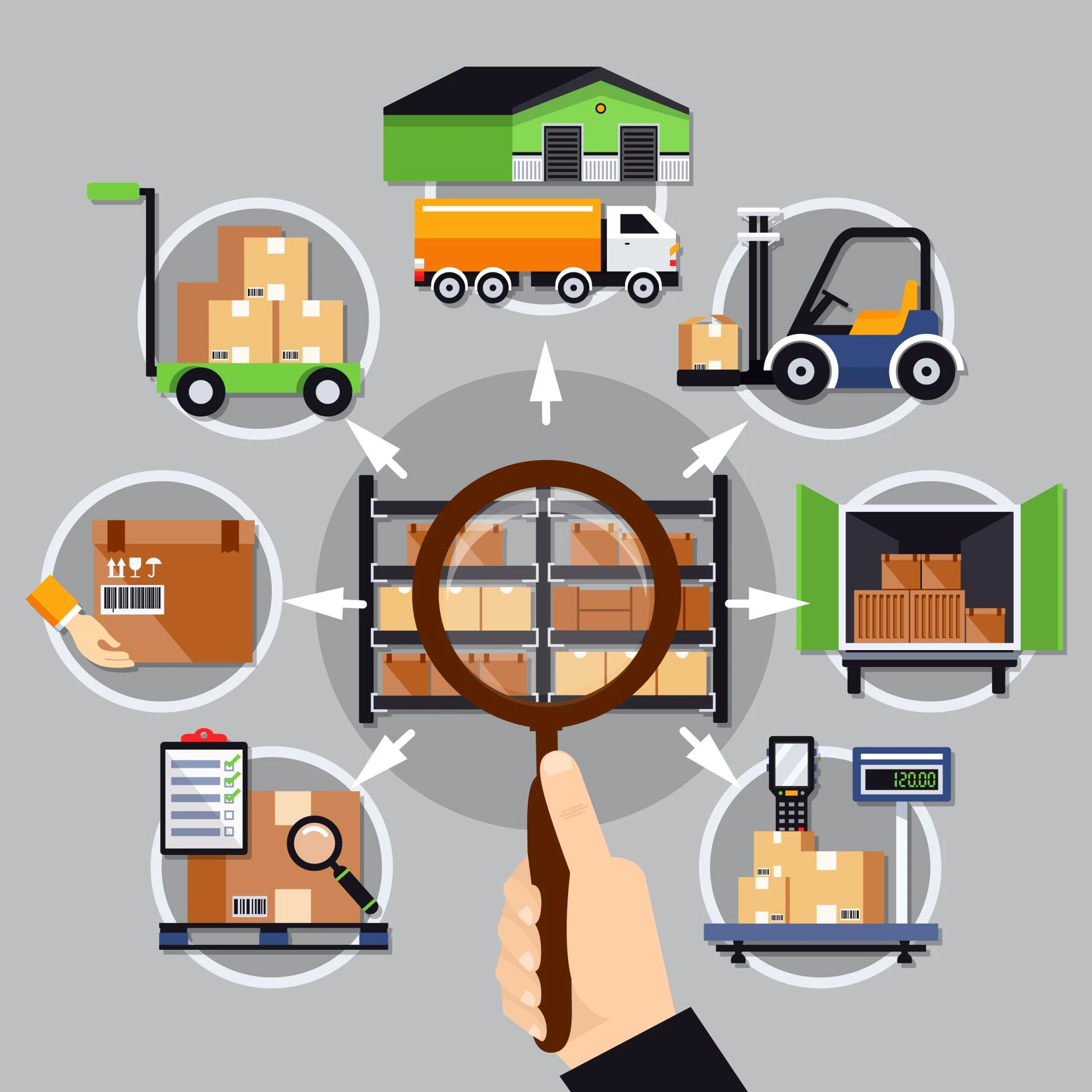
India’s warehousing industry has experienced significant growth in recent years, driven by factors such as the rapid rise of e-commerce, increasing demand for goods, and the need for more efficient logistics. As a crucial element of the country’s supply chain, the sector is transforming, with businesses focusing on infrastructure development, technology, and advanced logistics solutions.
In this article, we explore the opportunities and challenges that are shaping the growth of the warehouse in India, while highlighting the key drivers and obstacles in the evolving landscape.
The Growth of Warehousing in India
The demand for warehouses in India has surged due to various developments in the economy, particularly in e-commerce and manufacturing. As the country’s logistics sector expands, companies are seeking efficient solutions to store and manage their products. Warehouses in India play a pivotal role in inventory management, distribution, and the smooth movement of goods across the country. Additionally, advancements in infrastructure and government policies have further facilitated the expansion of this sector.
India’s warehouses are not just storage facilities; they are also hubs for distribution and order fulfilment. With modern technologies like automation and artificial intelligence becoming more integrated, the role of warehouses has evolved, enabling businesses to enhance their operational efficiency and reduce costs.
Opportunities in the Indian Warehousing Market
E-Commerce Surge
E-commerce has been a key driver for the growth of warehousing in India. With millions of consumers shopping online, businesses need large and strategically located warehouses to store and deliver products efficiently. The demand for warehouses in tier 1 and tier 2 cities has spiked, as companies focus on shortening delivery times and improving customer satisfaction. In response to this demand, many e-commerce giants have started investing heavily in warehousing infrastructure.
Government Initiatives
The Indian government has launched various initiatives that have helped boost the warehousing industry. For example, the introduction of the Goods and Services Tax (GST) has simplified the tax structure, enabling businesses to move goods seamlessly across states, thereby improving warehousing efficiency. Additionally, the government’s focus on infrastructure development through initiatives like the Bharatmala project has enhanced connectivity, further strengthening the growth prospects of the warehouse in India.
Technological Advancements
The integration of technology into warehouse management is transforming operations. Automated storage and retrieval systems, robotics, and advanced inventory management software are helping companies optimise their warehouse operations. These technologies are reducing the time required for order fulfilment and minimizing human error. Furthermore, the increasing use of data analytics and artificial intelligence allows businesses to predict demand patterns and adjust their inventory management accordingly.
Cold Storage and Perishables
The demand for cold storage warehouses in India is also on the rise, driven by the growth of the food processing sector and the need to store perishable goods. The development of cold storage facilities is crucial for improving food distribution efficiency and meeting export demands. As the food industry continues to expand, there is ample opportunity for growth in the cold storage segment of warehousing.
Infrastructure Development
The improvement in transportation infrastructure, such as dedicated freight corridors and national highways, has made it easier for goods to be moved across India. This enhanced connectivity has encouraged businesses to invest in warehouse in India, particularly in locations that were once considered remote or inaccessible. The growth of logistics parks and multimodal hubs further supports the increasing need for warehousing space.
Challenges Facing Warehousing in India
High Real Estate Costs
One of the main challenges faced by businesses in setting up warehouses in India is the high cost of land and real estate. In urban centres, the cost of acquiring land for large warehouses can be prohibitive, especially in tier 1 cities where demand is highest. This has led many businesses to look for alternatives, such as leasing warehouse space or using third-party logistics providers (3PLs) to reduce capital expenditure.
Skill Gap and Labour Issues
The warehousing sector in India is heavily reliant on manual labour for tasks such as picking, packing, and inventory management. However, there is a shortage of skilled workers who can handle the advanced technologies that are now being integrated into warehouse operations. Moreover, many warehouses face challenges related to worker retention and productivity, which can negatively affect operations.
Inadequate Rural Infrastructure
While urban areas are seeing rapid growth in warehousing development, rural areas often face challenges in terms of infrastructure. Poor road connectivity, limited access to reliable power, and a lack of modern warehouse facilities in rural regions can limit the ability of businesses to expand into these areas. For India to realise the full potential of its warehousing sector, investments in rural infrastructure are essential.
Regulatory and Compliance Issues
The warehousing industry in India also faces regulatory hurdles. For example, the lack of standardisation and clear guidelines for warehouse operations can lead to inefficiencies and increased costs. Warehouses are required to comply with a range of local, state, and national regulations, which can sometimes lead to delays in operations. Streamlining these regulations and creating uniform standards could ease some of the challenges businesses face.
Sustainability and Environmental Impact
Environmental concerns have become increasingly important in the warehousing sector. The construction and operation of warehouses contribute significantly to energy consumption, waste, and carbon emissions. As sustainability becomes a global priority, businesses are being pressured to adopt greener practices. This includes using energy-efficient materials, installing solar panels, and employing sustainable packaging and waste management practices in warehouses.
The Future of Warehousing in India
Despite the challenges, the future of warehousing in India is promising. The country’s expanding logistics infrastructure, coupled with the rapid growth of sectors such as e-commerce and manufacturing, will continue to drive demand for warehouses. As technology continues to play a central role in transforming warehouse operations, businesses will benefit from improved efficiency, cost savings, and enhanced service delivery.
To fully capitalise on the opportunities in the warehousing sector, businesses must address the challenges head-on. Investment in skill development, adoption of sustainable practices, and ensuring better infrastructure in rural areas will be key to the continued growth of the warehouse in India.
Conclusion
The growth of warehousing in India presents tremendous opportunities, driven by e-commerce, government initiatives, and advancements in technology. As demand continues to rise, businesses must focus on building efficient, modern warehouses to stay competitive in the evolving logistics landscape. While challenges such as high land costs, skill gaps, and infrastructure limitations remain, the future of the warehousing sector in India looks bright, with ample potential for further development and growth. By tackling these challenges and capitalising on the opportunities, India’s warehousing industry is poised to become a critical driver of economic growth.










Sign in to leave a comment.