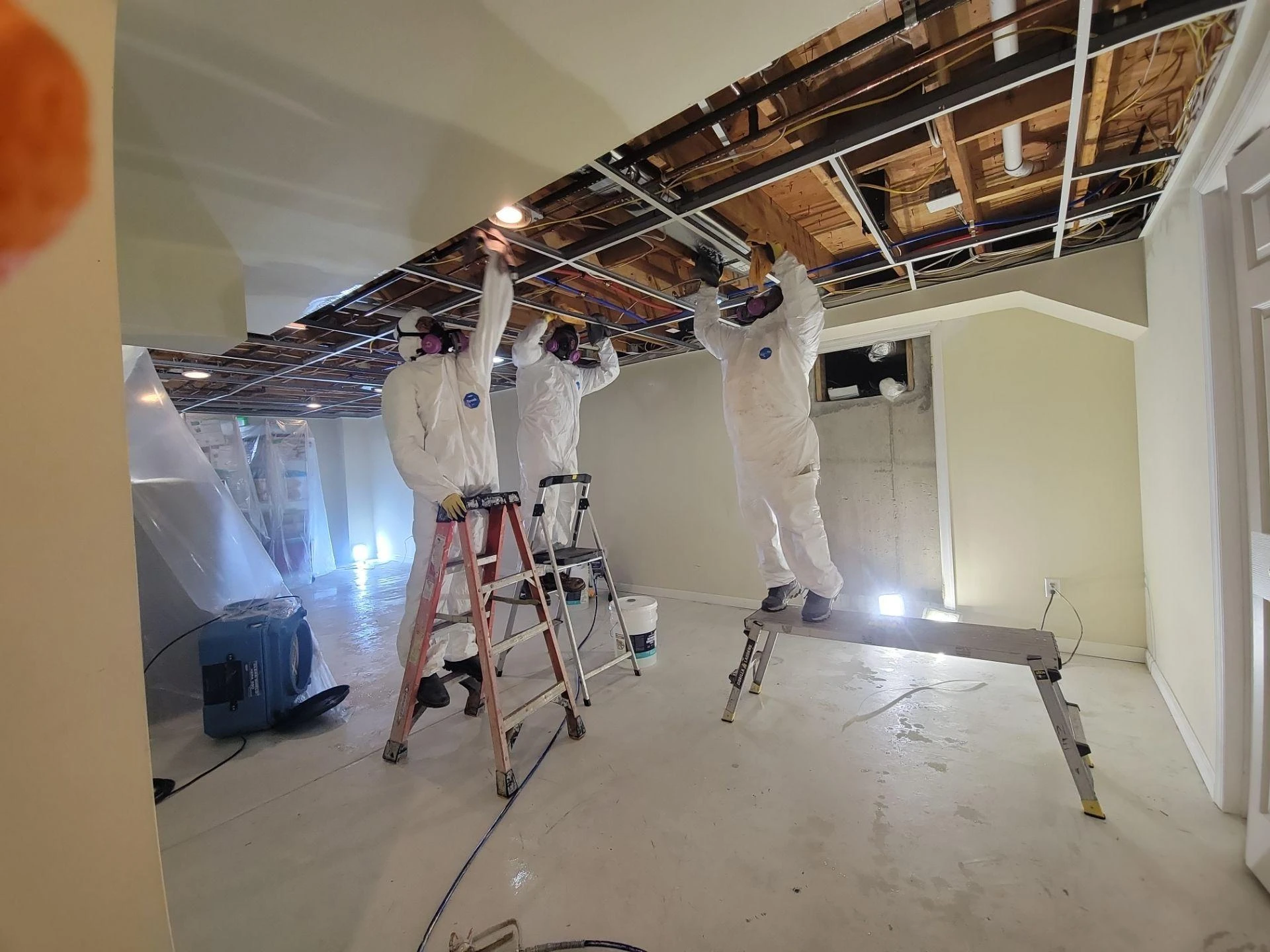

Mold is more than just an unsightly problem in your home—it can pose serious health risks to you and your family. Mold exposure affects people differently, with some experiencing mild discomfort while others suffer from severe allergic reactions or respiratory issues. Understanding the health implications of mold exposure and taking steps to mitigate them is essential for maintaining a safe living environment. Nash Everett provides expert mold remediation services to eliminate mold and safeguard your family’s health.
Common Health Risks of Mold Exposure
Mold releases spores into the air, which, when inhaled, can cause a range of health problems. Common symptoms include:
• Respiratory Issues: Coughing, wheezing, and shortness of breath are common reactions to mold exposure.
• Allergic Reactions: Symptoms like sneezing, runny nose, and itchy eyes are triggered by mold spores.
• Asthma Flare-Ups: Mold can exacerbate asthma symptoms and increase the frequency of attacks.
• Skin Irritation: Direct contact with mold can cause rashes and itching.
• Chronic Fatigue: Prolonged mold exposure can lead to fatigue and headaches.
Individuals with compromised immune systems, asthma, or allergies are at higher risk of experiencing severe symptoms.
Long-Term Effects of Mold Exposure
Chronic exposure to mold can lead to more serious health conditions, including:
• Respiratory Infections: Mold can increase susceptibility to infections, particularly in individuals with weakened immune systems.
• Mold-Induced Asthma: Long-term exposure can lead to the development of asthma, even in individuals without a history of the condition.
• Toxic Mold Syndrome: Prolonged exposure to certain molds, such as Stachybotrys chartarum, can cause severe neurological and immune system effects.
Preventing and addressing mold issues early is critical to avoiding these long-term health impacts.
How to Mitigate Health Risks from Mold
Protecting your family from mold-related health issues involves proactive measures to prevent and remediate mold. Follow these tips:
• Control Moisture: Use dehumidifiers and repair leaks to eliminate sources of moisture in your home.
• Ventilate Properly: Ensure good airflow in high-moisture areas like bathrooms and kitchens.
• Clean Regularly: Wipe down surfaces prone to dampness, such as windows and shower walls.
• Monitor Humidity Levels: Keep indoor humidity below 50% to discourage mold growth.
• Schedule Professional Inspections: Regular inspections help detect hidden mold before it becomes a problem.
If mold is already present, professional remediation is the most effective way to ensure its complete removal.
Why Choose Nash Everett?
Nash Everett specializes in mold remediation and indoor air quality improvement. Their team uses advanced techniques to identify and remove mold while addressing the root causes of its growth. Learn more about their mold remediation services in Pennington Borough.
Protect Your Family’s Health Today
Mold exposure can have serious health consequences, but timely action can mitigate risks and improve your home’s safety. Nash Everett is here to provide expert guidance and services to keep your home mold-free. Every home has a story, and Nash Everett listens.
Contact Nash Everett at (732) 508-9197 or email [email protected] to schedule a consultation and take the first step toward a healthier home.













Sign in to leave a comment.