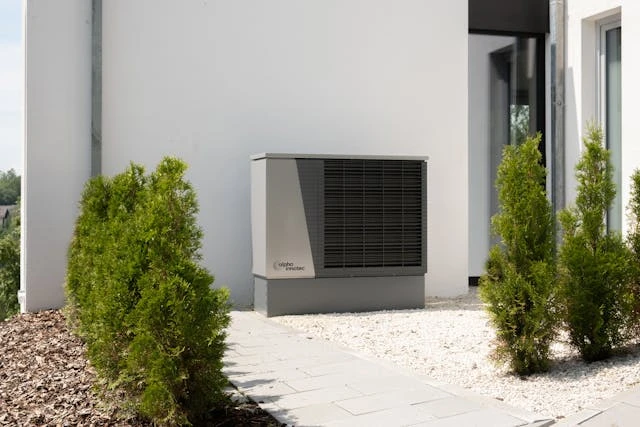

Photo Source: https://www.pexels.com/photo/plants-near-air-conditioner-and-building-wall-20046693/
Your home's heating and cooling system operates continuously throughout the year. Like any machine, it requires proper maintenance to operate without issues. The HVAC system faces unique operational challenges throughout the year. Regular maintenance will help you save money while preventing unanticipated system failures.
Spring: Preparing for Warmer Days
The winter season deposits dust and debris inside your HVAC system. Check all systems before summer temperatures arrive. The first step should be to replace the air filter. A blocked filter forces your system to work more intensely while simultaneously decreasing its operational effectiveness. The lifespan of most filters ranges from one month to three months.
Next, check the outdoor unit. Remove all leaves, dirt, and objects that restrict airflow from the system. On units that have accumulated grime, perform a gentle hose cleaning. Keep the surrounding area free of objects. The proper flow of air enhances your system's operation.
The optimal time to arrange professional maintenance is spring. A technician will examine the system, verify refrigerant levels, and test all operational components. A simple preventive measure now can help avoid future expensive maintenance costs.
Summer: Keeping Cool Efficiently
Summer heat places significant strain on air conditioning systems. To prevent breakdowns during peak temperatures, especially for air conditioning in Ottawa and locations with similar climates, maintain a reasonable thermostat setting, around 24°C (75°F). Utilize programmable thermostats to adjust temperatures when away, reducing energy consumption. Ensure unobstructed airflow by clearing vents of furniture and curtains. Weak airflow or warm air signals potential issues; promptly consult a professional. Supplement central air conditioning with ceiling fans to circulate cool air and lessen the system's load. Additionally, closing blinds and curtains during peak sunlight hours helps maintain a cooler indoor environment.
Fall: Getting Ready for Colder Months
When summer ends, it’s time to focus on heating. Before you switch to heat, inspect your furnace or heat pump and change the air filter again to keep everything running efficiently.
Check your thermostat settings and test your heating system. Turn it on and make sure warm air comes through the vents. If you hear unusual noises or notice uneven heating, have a professional take a look.
Remember the vents and ducts. Dust and dirt can build up over time. Vacuuming registers and wiping down vent covers can improve airflow. If you notice a musty smell, consider having your ducts professionally cleaned.
If your home has a fireplace, have the chimney inspected and cleaned. A blocked chimney can be a fire hazard or cause dangerous fumes to enter your home.
Winter: Staying Warm and Safe
Cold temperatures mean your heating system works overtime. Keep an eye on your furnace and listen for any strange sounds. Loud bangs or rattles can be a sign of trouble.
Check the exhaust vents outside. Snow and ice can block them, causing ventilation problems. Make sure nothing is blocking airflow.
Humidity can be a problem in winter. If your home feels too dry, consider using a humidifier. Dry air can cause discomfort and even damage wooden furniture and floors.
Winter is also a good time to test carbon monoxide detectors. Furnaces and other fuel-burning appliances can produce carbon monoxide. Make sure detectors are working properly to keep your home safe.
Year-Round Tips for a Healthy HVAC System
Some tasks should be done no matter the season. Regularly changing filters, keeping vents clean, and ensuring good airflow will help your system last longer. A little attention throughout the year can prevent expensive repairs. If your HVAC system is more than 10-15 years old, consider upgrading. Newer systems are more energy-efficient and can lower your energy bills.
Conclusion
Lastly, working with a trusted HVAC professional can make a big difference. Regular inspections and tune-ups keep your system running smoothly. By following seasonal maintenance steps, you’ll enjoy a comfortable home all year round.












Sign in to leave a comment.