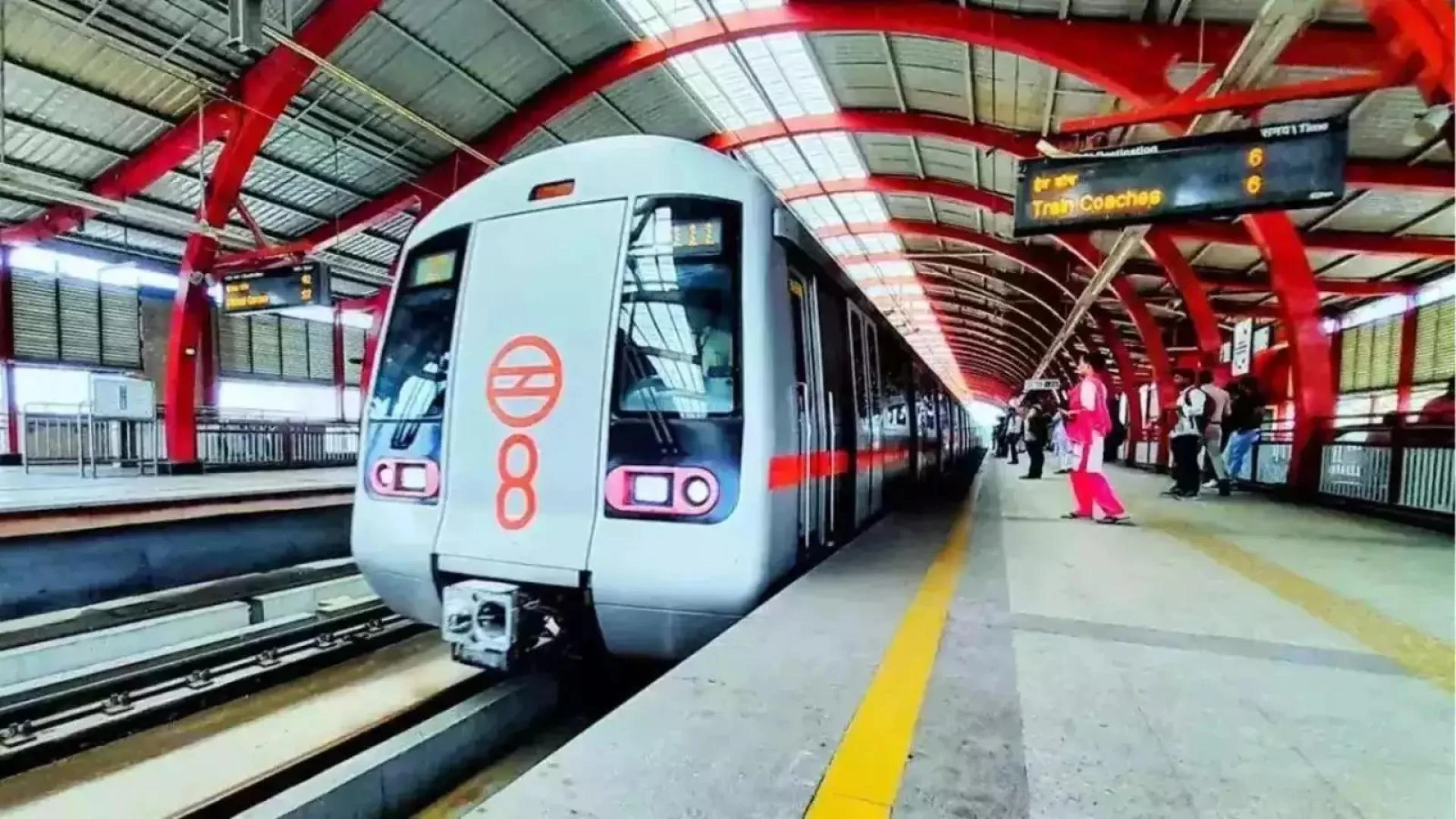

Delhi, a bustling metropolis, has long faced challenges in urban mobility. The Delhi Metro has revolutionized transportation in the city, offering a reliable and eco-friendly solution. Spanning over 393 kilometers with 288 stations as of early 2024, the metro has more than doubled its network length since 2015. It facilitates over 4.6 million passenger journeys daily and recorded its highest-ever ridership of 7.2 million passengers on August 13, 2024, reflecting its critical role in the lives of Delhi’s residents. It also became the world's first metro to earn United Nations carbon credits in 2011 for reducing greenhouse gas emissions.
These achievements position the Delhi Metro not just as a transport system but as a catalyst for environmental progress and urban efficiency, reducing traffic congestion and pollution while ensuring seamless connectivity across the city. With its growing network and commitment to quality, the Delhi Metro remains a benchmark for urban mobility solutions globally.
The Impact of Delhi Metro on Urban Mobility
1. Reduced Traffic Congestion
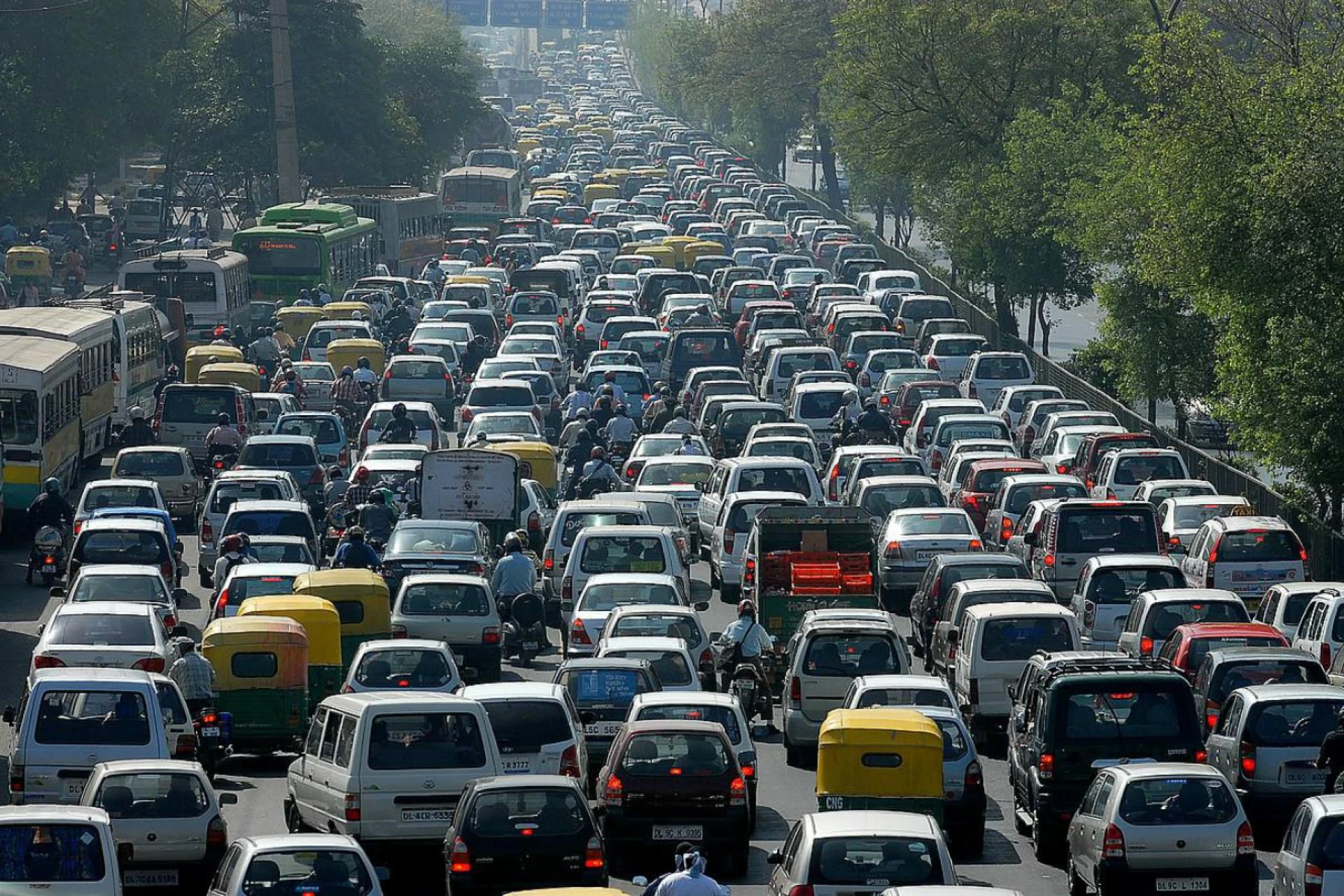
One of the most noticeable impacts of the Delhi Metro is the significant reduction in traffic congestion. By offering a viable alternative to road transport, Delhi Metro kept approximately 230,000 vehicles off the roads daily in 2014, easing congestion and saving substantial travel time. A study by TERI revealed that in 2021, Metro passengers collectively saved 269 million hours of travel time, a figure expected to rise to 572.5 million hours by 2031. These numbers highlight the Metro’s pivotal role in improving urban mobility and reducing road traffic.
2. Environmental Benefits
The shift from road transport to the Metro has significantly benefited the environment by producing zero emissions, thereby reducing air pollution in the city. The Delhi Metro has also implemented several eco-friendly initiatives:
- Water Conservation: The Delhi Metro recycles water used in maintenance activities, conserving approximately 80 million liters annually.
- Afforestation Efforts: For every tree removed during construction, the Metro plants ten saplings, resulting in over 500,000 trees planted to date.
- Solar Energy Utilization: The Metro meets about 35% of its energy needs through renewable sources, aiming to increase this to 50% by 2031.
These initiatives underscore the Delhi Metro's commitment to sustainability, making Delhi a greener and more sustainable urban environment.
3. Economic Opportunities
The Delhi Metro has significantly contributed to economic growth by creating job opportunities and supporting local businesses. The ease of Metro travel has increased footfall in commercial areas, boosting the retail and hospitality sectors. Moreover, the construction and operation of the Metro have directly and indirectly generated over 100,000 employment opportunities, spanning engineering, maintenance, and administrative roles.
The Metro has also improved labor force participation, especially for women. By offering a safe and reliable mode of transport, it has enabled more women to access job opportunities across the city. A study by TERI indicated that nearly 30% of female Metro users cited it as the primary enabler for commuting to work, highlighting its role in promoting gender inclusion in the workforce. Additionally, improved connectivity to industrial and commercial hubs has enhanced productivity and supported small businesses along Metro routes, driving overall economic activity in Delhi.
4. Enhanced Connectivity
The comprehensive network of the Delhi Metro has improved connectivity within the city, making it easier for people to commute to work, education, and leisure activities. This has had a positive impact on the overall quality of life for Delhi residents, reducing the time and stress associated with daily travel.
Unlocking the Potential of Delhi Metro for Urban Mobility via the Delhi Transport Stack
With the advent of the Delhi Transport Stack, a pioneering Digital Public Infrastructure launched by the Delhi Transport Department (GNCTD), this transformation is being taken to a whole new level, paving the way for a digitally-powered infrastructure that enhances commuter mobility and enables innovative business solutions.
By integrating data from the Metro—such as schedules, passenger flows, and operational insights—into the Delhi Transport Stack, this platform empowers businesses and developers to build innovative use cases. By using such data and services, Mobility-as-a-Service (MaaS) applications will unlock new benefits for citizens: ranging from real-time journey planning and dynamic ticketing solutions to advanced last-mile connectivity options. Delhi Transport Stack is unlocking following benefits:
1. Seamless Integration of different modes of transportation at one place
Transport Stack allows for seamless integration of various modes of transport, including metro, buses, and last-mile connectivity options by aggregating data from each, which can be further utilized by MaaS applications to create various use cases that solve user pain-points. This will directly help commuters to plan their journeys efficiently, with real-time updates and information at their fingertips.
2. Innovative Solutions leading to enhanced commuter experience
By leveraging data and digital technologies, Transport Stack enables innovative solutions such as dynamic routing and demand-responsive transport. These solutions not only enhance the commuter experience but also improve the overall efficiency of the transport network. From planning journeys to making payments, the entire process will be streamlined and user-friendly, ensuring a smooth and convenient commute.
3. New Business Opportunities
This digital infrastructure opens up avenues for startups and innovators to explore new business opportunities. Startups and established companies can leverage this infrastructure to develop innovative mobility solutions, creating a thriving ecosystem of transport-related businesses.
The transformation of urban mobility in Delhi is set to accelerate, ushering in a new era of digitally driven, seamless, and innovative urban mobility solutions. As Delhi continues to grow and evolve, the Metro and Transport Stack will play a pivotal role in shaping the future of the city's transportation landscape.











Sign in to leave a comment.