
As parents, caregivers, and educators, we’re always looking for ways to provide our little ones with activities that are both fun and educational. One such activity that has been gaining popularity for its developmental benefits is the sensory table. At Kiddo Karnage, we believe that sensory play is a key component in helping children explore and develop a variety of essential skills. In this blog post, we’ll dive into the importance of sensory tables and how they can benefit your child’s growth.
What is a Sensory Table?
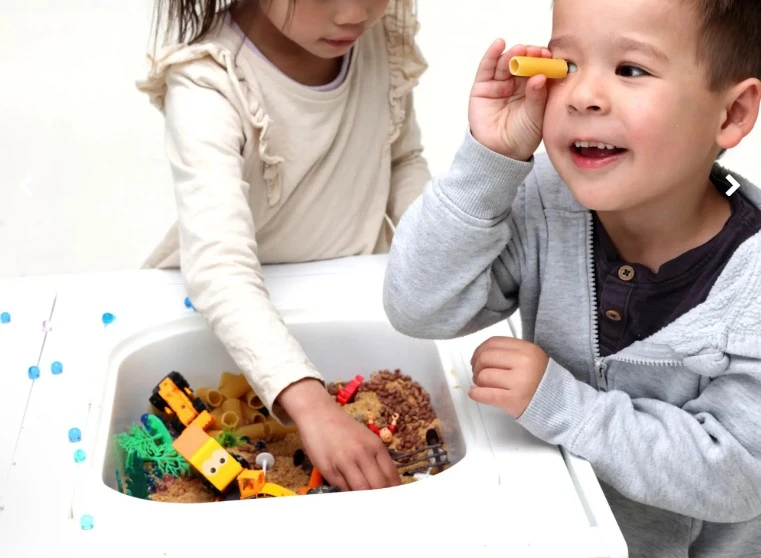
A sensory table is a simple yet highly effective educational tool that allows children to engage in hands-on exploration using their five senses—sight, sound, touch, taste, and smell. These tables are typically filled with different materials such as water, sand, rice, beads, or even natural items like leaves or shells, giving children the opportunity to feel, see, and manipulate objects in an environment that stimulates their sensory development. Sensory tables can be used for open-ended play or set up for specific learning activities.
At Kiddo Karnage, we offer a range of creative and engaging sensory tables designed to spark curiosity and encourage active learning.
Why Are Sensory Tables Important for Children?
1. Boosts Cognitive Development
When children engage in sensory play, they explore different textures, weights, colors, and shapes. This type of play helps stimulate their brain development and enhances their problem-solving skills. Sensory tables offer endless opportunities for exploration, which helps build a strong foundation for cognitive learning. For example, pouring water from one container to another can teach concepts like volume, size, and cause and effect.
2. Enhances Fine Motor Skills
Manipulating different objects in a sensory table helps children refine their fine motor skills. Activities like scooping, pouring, sorting, or digging promote hand-eye coordination and the development of muscle control. These actions help strengthen the small muscles in the hands and fingers, which are important for tasks like writing, using utensils, or tying shoelaces.
3. Encourages Creativity and Imagination
A sensory table provides endless opportunities for imaginative play. When children have free reign to explore and create with the materials in the table, their imaginations flourish. They might pretend to build castles in the sand, create underwater scenes with plastic sea creatures, or mix colors with different textured materials. The sensory table becomes a canvas for your child’s creativity, allowing them to think outside the box and explore new possibilities.
4. Fosters Emotional Regulation
Sensory play can also have a calming effect on children. The tactile experiences of touching different materials like smooth rice, squishy foam, or wet sand can be soothing and help children relax. Many children, especially those with sensory sensitivities, benefit from the tactile input and the repetitive motions involved in sensory play. It offers an opportunity for them to regulate their emotions and engage in mindful play that helps reduce anxiety and stress.
5. Promotes Social Interaction
Sensory tables are often used in group play settings, whether at home or in educational environments. When children play together, they learn important social skills such as sharing, taking turns, communicating, and working as a team. A sensory table encourages collaboration, as children interact and discuss what they’re doing, creating a social experience that helps improve language and communication skills.
How to Make the Most of a Sensory Table
If you're looking to create a sensory experience for your child with a sensory table, here are some ideas for getting the most out of this activity:
- Rotate Materials Regularly: Keep your child engaged by changing the materials in the sensory table. You can use seasonal items like leaves in the fall, snow in the winter, or fresh flowers in the spring. By changing the sensory elements, you can spark new interest and encourage further exploration.
- Add Educational Themes: Turn the sensory table into a learning opportunity by adding materials that reflect specific themes. For example, a “farm” theme with small farm animals, hay, and soil can teach children about animals, agriculture, and nature. A “space” theme might include stars, planets, and moon rocks to introduce basic astronomy concepts.
- Encourage Sensory Exploration: Don’t just let your child play on their own—get involved in their sensory exploration. Ask questions like, “How does that feel?” or “What happens when you pour the water over the sand?” This will help your child engage more deeply with the materials and develop their vocabulary.
- Incorporate All Five Senses: To truly enrich the sensory experience, make sure your table engages all five senses. Add items with varying textures, scents, sounds, and even tastes (if appropriate). For example, adding cinnamon to your sensory table can engage the sense of smell, while adding dried beans can engage the sense of touch.
Why Choose Kiddo Karnage for Your Sensory Table Needs?
At Kiddo Karnage, we understand how important sensory play is in a child’s development. That’s why we offer a wide variety of sensory tables designed to spark curiosity and support growth in young minds. Our sensory tables are made with high-quality materials, ensuring durability and safety for your child. Additionally, our tables are designed with both functionality and creativity in mind, offering an engaging space for kids to learn, play, and explore.
1. Customizable Options: Whether you're looking for a sensory table that fits a specific theme or a versatile table that can be filled with different materials, we offer customizable options to meet your needs.
2. Safe and Durable: We prioritize your child’s safety, which is why our sensory tables are made with non-toxic, sturdy materials that are built to last through hours of sensory exploration.
3. Designed for Learning: Each sensory table is thoughtfully designed to encourage creativity, cognitive development, and social interaction—helping your child grow and learn while having fun.
The Bottom Line
A sensory table is an invaluable tool for fostering your child’s development. It’s an opportunity for them to explore, create, and grow in a safe and engaging environment. At Kiddo Karnage, we’re passionate about providing children with the tools they need to thrive, and our sensory tables are an essential part of that. If you’re ready to introduce your child to a world of sensory play, browse our collection today and give your child the gift of learning through play.












Sign in to leave a comment.