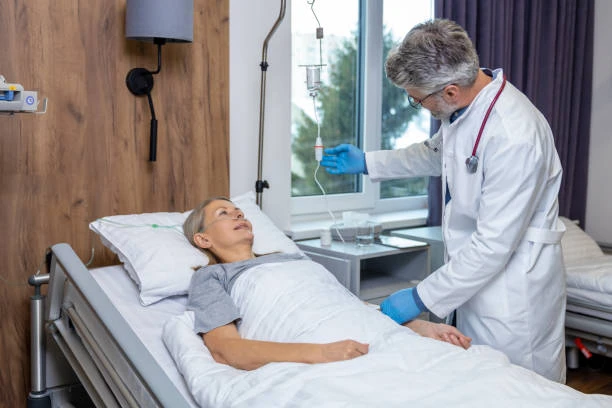

As the population ages, the demand for elderly care services continues to rise. Among the various aspects of elderly care, bedside assistance plays a crucial role in ensuring the well-being, comfort, and safety of seniors, especially those undergoing rehabilitation. This article delves into the importance of bedside assistance in elderly care, highlighting its benefits, the challenges faced by caregivers, and the essential qualities of a good bedside aide.
Understanding Bedside Assistance in Elderly Care
Bedside assistance refers to the range of supportive services provided to elderly individuals who are bedridden or have limited mobility. This type of care is particularly vital for those recovering from surgery, illness, or injury, and for those with chronic conditions or disabilities. Bedside aide for rehab helps with daily activities, medical needs, and emotional support, significantly improving the quality of life for elderly patients.
Key Responsibilities of a Bedside Aide
A bedside aide, also known as a personal care aide or home health aide, performs a variety of tasks to support elderly patients especially those who are suffering from Alzheimer's, dementia, and Parkinson's, including:
- Personal Hygiene: Assisting with bathing, grooming, dressing, and toileting including feeding through feeding tubes, ileostomy, infusion medication, and hospice care.
- Mobility Assistance: Helping patients move safely, including transfers from bed to wheelchair, and aiding with exercises.
- Medication Management: Ensuring timely administration of prescribed medications and monitoring for side effects.
- Nutrition and Hydration: Preparing meals, feeding patients, and ensuring adequate fluid intake.
- Household Tasks: Light housekeeping duties such as cleaning, laundry, and organizing the living space.
- Emotional Support: Providing companionship, engaging in conversations, and offering comfort.
Importance of Bedside Assistance in Rehabilitation
Rehabilitation is a critical period for elderly patients recovering from illness, surgery, or injury. During this time, the presence of a Bedside aide for rehab can significantly impact the recovery process and overall well-being of the patient.
1. Promotes Faster Recovery
Bedside aides play a pivotal role in promoting faster recovery by ensuring that patients adhere to their rehabilitation plans. They assist with prescribed exercises, encourage mobility, and help maintain a routine that supports healing. By closely monitoring the patient's progress and reporting any concerns to healthcare providers, bedside aides contribute to timely adjustments in the care plan, enhancing recovery outcomes.
2. Ensures Safety
Elderly patients, particularly those with limited mobility or cognitive impairments, are at a higher risk of falls and other accidents. Bedside aides provide constant supervision and assistance, reducing the likelihood of injuries. They ensure that the patient's environment is safe, clutter-free, and equipped with necessary safety aids such as grab bars and non-slip mats.
3. Provides Emotional Support
Rehabilitation can be a challenging and isolating experience for elderly patients. Bedside aides offer much-needed emotional support, companionship, and encouragement. Their presence helps alleviate feelings of loneliness, anxiety, and depression, fostering a positive outlook that is essential for recovery.
4. Manages Medical Needs
Many elderly patients have complex medical needs that require diligent management. Bedside aides assist with medication administration, monitor vital signs, and recognize symptoms that may require medical attention. This vigilant care helps prevent complications and ensures that any health issues are addressed promptly.
5. Supports Family Members
Caring for an elderly loved one during rehabilitation can be overwhelming for family members. Bedside aides provide respite for family caregivers, allowing them to rest and attend to their own needs. This support helps prevent caregiver burnout and ensures that the patient receives consistent, high-quality care.
Challenges Faced by Bedside Aides
While Bedside aide for rehab plays a crucial role in elderly care, they often face several challenges that can impact their ability to provide effective care. Understanding these challenges is essential for improving the support systems available to caregivers.
1. Physical Demands
Caring for elderly patients, especially those with limited mobility, can be physically demanding. Bedside aides often assist with lifting, transferring, and repositioning patients, which can lead to physical strain and injuries. Proper training in body mechanics and the use of assistive devices are crucial to mitigate these risks.
2. Emotional Strain
Providing bedside care can be emotionally taxing, especially when dealing with patients who have chronic illnesses, cognitive impairments, or terminal conditions. The emotional strain of witnessing suffering and dealing with loss can lead to compassion fatigue and burnout among caregivers.
3. Communication Barriers
Effective communication is essential for providing high-quality care. However, bedside aides may encounter communication barriers with patients who have hearing impairments, speech difficulties, or cognitive decline. Learning and employing effective communication strategies is vital for understanding and addressing the needs of elderly patients.
4. Inadequate Training
In some cases, Bedside aide for rehab may lack adequate training to handle the complex needs of elderly patients. Ongoing education and training programs are necessary to equip caregivers with the skills and knowledge required for delivering safe and effective care.
5. Limited Support and Resources
Bedside aides often work in isolation with limited access to support and resources. Ensuring that caregivers have access to a robust support network, including supervision, peer support, and access to medical professionals, is essential for maintaining their well-being and effectiveness.
Essential Qualities of a Good Bedside Aide
Providing high-quality bedside assistance requires a unique set of skills and personal qualities. Here are some of the essential attributes of an effective bedside aide:
1. Compassion and Empathy
A genuine concern for the well-being of others and the ability to empathize with patients' experiences are fundamental qualities of a good bedside aide. Compassionate care helps build trust and rapport with patients, making them feel valued and understood.
2. Patience and Understanding
A good bedside aide remains calm and understanding, even in difficult situations, and takes the time to listen and respond to patients' needs.
3. Reliability and Trustworthiness
Elderly patients and their families rely on bedside aides for consistent and dependable care. Being punctual, responsible, and trustworthy is essential for ensuring that patients receive the support they need.
4. Strong Communication Skills
Effective communication is crucial for understanding patients' needs, providing clear instructions, and collaborating with healthcare providers. A good bedside aide is an attentive listener and a clear communicator.
5. Physical and Emotional Resilience
The physical and emotional demands of Bedside aide for rehab require resilience and stamina. A good bedside aide takes care of their own well-being, practices self-care and seeks support when needed to maintain their health and effectiveness.
6. Adaptability and Problem-Solving Skills
Elderly care often involves unexpected challenges and changes in the patient's condition. A good bedside aide is adaptable and capable of thinking on their feet to solve problems and adjust the care plan as needed.
The Role of Technology in Enhancing Bedside Assistance
Advancements in technology have significantly enhanced the ability of bedside aides to provide high-quality care. Here are some ways technology is transforming bedside assistance in elderly care:
1. Telehealth and Remote Monitoring
Telehealth platforms and remote monitoring devices enable bedside aides to connect with healthcare providers and receive guidance on patient care. These technologies facilitate timely interventions and ensure that patients receive the appropriate medical attention.
2. Mobile Health Apps
Mobile health apps provide bedside aides with tools for tracking medication schedules, monitoring vital signs, and documenting care activities. These apps enhance communication, improve care coordination, and ensure accurate record-keeping.
3. Assistive Devices
A wide range of assistive devices, such as lift chairs, transfer aids, and mobility aids, help bedside aides provide safe and efficient care. These devices reduce the physical strain on caregivers and enhance the comfort and safety of patients.
4. Smart Home Technology
Smart home technology, including automated lighting, voice-activated assistants, and security systems, enhances the safety and convenience of the home environment. Bedside aides can use these technologies to create a supportive and responsive living space for elderly patients.
5. Online Training and Support
Online training programs and support networks provide bedside aides with access to continuing education and peer support. These resources help caregivers stay informed about best practices and connect with others in the caregiving community.
Conclusion
Bedside aide for rehab is a vital component of elderly care, especially during rehabilitation. Bedside aides provide essential support that promotes recovery, ensures safety, and enhances the quality of life for elderly patients. Despite the challenges they face, bedside aides demonstrate remarkable dedication and compassion in their roles. By understanding the importance of bedside assistance, recognizing the qualities of a good bedside aide, and leveraging technology, we can continue to improve the care provided to our aging population. Investing in the training, support, and well-being of bedside aides is crucial for ensuring that elderly patients receive the high-quality care they deserve. As we look to the future, the integration of technology and innovative care models will play a significant role in shaping the landscape of elderly care, ultimately enhancing the lives of both caregivers and the elderly individuals they serve.
For more information, call us at: 1-844-331-0006












Sign in to leave a comment.