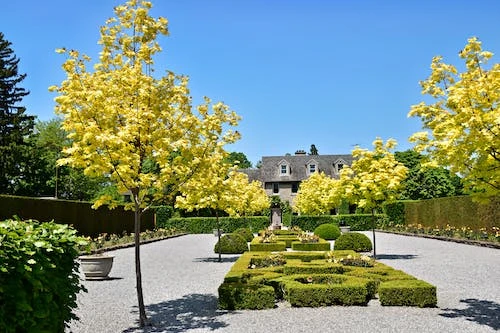

In garden design, hardscaping provides structure, functionality, and a touch of architectural elegance to outdoor spaces. While vibrant flowers and lush greenery often steal the spotlight, the strategic integration of hardscaping elements is pivotal in crafting a modern and visually appealing garden.
In this exploration, we’ll discuss the significance of hardscaping, uncovering how it transforms gardens into functional, aesthetically pleasing havens.
Here’s what you need to know
Defining Hardscaping: Beyond Soil and Petals
Hardscaping refers to the non-living elements in a garden, including pathways, walls, pergolas, patios, and decorative stones. Hardscaping provides permanence and structure, unlike softscape elements, like plants and trees, shaping the outdoor spaces' overall design and functionality.
1. Architectural Framework: The Backbone of Garden Design
Imagine your garden as a canvas awaiting a masterpiece. Hardscaping is an architectural framework that defines the design's layout and flow. Elements like pathways guide movement, while retaining walls create terraced levels, adding depth and interest to the landscape.
Tip: Play with shapes and lines in your hardscaping design to add a sense of movement and energy to your garden.
2. Functional Spaces: Creating Outdoor Living Areas
Modern gardens are more than just visual spectacles; they are extensions of living spaces. Hardscaping elements such as patios, decks, and pergolas transform the garden into functional areas for relaxation, dining, or entertaining. These spaces seamlessly merge with nature, offering a harmonious balance between the built environment and the organic beauty of the garden.
Tip: Incorporate outdoor furniture, lighting, and accessories to enhance the functionality and comfort of your hardscaped areas.
3. Enhancing Accessibility: Connecting the Dots
Well-designed pathways and walkways add a sense of order to your garden and enhance accessibility. They guide visitors through the space, inviting exploration and creating a sense of discovery. Hardscaping ensures that your garden becomes a visual treat and space to be experienced and enjoyed.
Tip: Use materials like gravel, pavers, or stepping stones to add texture and visual interest to your pathways.
4. Defining Zones: Creating Focal Points and Boundaries
Strategically placed hardscaping elements help define different zones within your garden. A pergola may mark an outdoor dining area, while a well-placed retaining wall can create a stunning backdrop for a flower bed. These defined zones add order and purpose to your outdoor space.
Tip: Integrate focal points like a water feature or sculpture into your hardscape design to draw attention and create visual interest.
5. Drought Tolerance and Sustainability: Practical Garden Solutions
In an era where water conservation and sustainability are paramount, hardscaping offers practical solutions. Opting for materials like permeable pavers or gravel in hardscaping reduces water runoff, promotes soil absorption, and minimizes the environmental impact of heavy rain.
Tip: Combine hardscaping with native, drought-tolerant plants for a water-efficient and eco-friendly garden.
6. Year-Round Interest: Beyond the Blooms
While the softscape elements of a garden may change with the seasons, hardscaping provides year-round structure and interest. Evergreen plants complemented by well-designed pathways and architectural features ensure that your garden remains captivating even during the winter.
Tip: Incorporate outdoor lighting to showcase hardscaping elements and extend the enjoyment of your garden into the evening.
7. Reduced Maintenance: Balancing Beauty and Practicality
Hardscaping elements require considerably less maintenance compared to softscape elements. While plants may need regular watering, pruning, and care, hardscaping materials like stone, brick, or concrete are durable and resistant to weathering, reducing the overall upkeep of your outdoor space.
Tip: Choose low-maintenance hardscaping materials and designs that align with your desired level of garden care.
8. Cohesive Design Aesthetic: Harmony in Diversity
A well-thought-out hardscape design contributes to the overall aesthetic cohesion of your garden. Whether your style is modern, traditional, or eclectic, hardscaping elements tie together diverse softscape elements, creating a seamless and visually pleasing composition.
Tip: Select hardscaping materials and colors that complement your home's existing architecture of your home and your garden's natural surroundings.
Transform your garden oasis with Thuja Gardens! Explore the importance of hardscaping in modern design and elevate your landscape with Thuja trees. Shop online for Thuja Green Giant, American Pillar Arborvitae, and more.
Create a thriving outdoor haven with premium quality plants and unique varieties. Buy Thuja Green Giant, Japanese Stewartia, or Japanese Maple online and embark on a journey of garden transformation.
Their collection, including Thuja Can Can and Virginian Arborvitae, ensures your garden stands out. Don't miss the opportunity to bring beauty and structure to your outdoor space. Shop now and let Thuja Gardens be your partner in crafting a garden that truly blossoms!
About The Author
Jamie L. is a passionate horticulturist and landscape designer dedicated to transforming outdoor spaces into captivating havens. With a wealth of experience in modern garden design, Jamie brings a unique blend of creativity and practical knowledge to the garden landscaping industry.










Sign in to leave a comment.