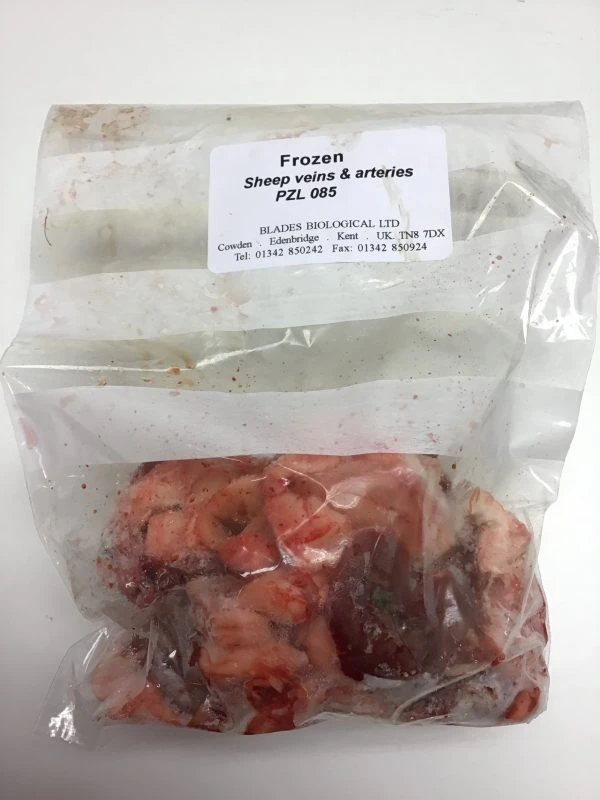

How can educators bridge the gap between theoretical knowledge and practical understanding of biology? Despite advancements in digital learning and virtual dissections, hands-on experiences remain the most effective method for mastering biological concepts. The indispensable role of preserved specimens in biological education cannot be overstated. These specimens provide an essential foundation for developing anatomical comprehension, fostering observational skills, and reinforcing critical thinking in scientific study.
Biology educators require high-quality resources to ensure students gain comprehensive insights into organismal structures and physiological functions. Science education specimens, including frozen specimens and chemically preserved samples, serve as indispensable tools for academic institutions, laboratories, and research facilities.
This article will examine the significance of preserved specimens in biology education, their contributions to scientific literacy, and their role in enhancing hands-on learning experiences.
The Role of Preserved Specimens in Science Education
Biological education specimens offer a tangible approach to understanding the complexities of life. While textbooks and illustrations provide a foundation, direct interaction with physical specimens solidifies comprehension in ways that static images cannot achieve. Key benefits include:
· Anatomical Accuracy: Preserved specimens provide precise representations of internal and external structures, allowing students to study organ systems, tissue composition, and physiological relationships in a detailed manner.
· Consistent Availability: Unlike fresh biological samples, preserved specimens maintain structural integrity over extended periods, making them reliable resources for repeated study.
· Safe Handling: Properly prepared specimens eliminate the risks associated with live dissections, such as exposure to infectious agents or ethical concerns related to euthanizing organisms.
· Comparative Analysis: Students can examine variations between species, identifying evolutionary adaptations and functional differences in morphology.
Advancing Biological Literacy with Preserved Specimens
Understanding biology extends beyond memorizing facts; it involves applying knowledge through empirical observation and practical engagement. Preserved specimens contribute to this educational process by:
1. Reinforcing Theoretical Knowledge
· Hands-on study allows students to correlate textbook descriptions with real anatomical structures.
· Identifying tissues, organs, and systems firsthand improves retention and comprehension.
2. Developing Observational and Dissection Skills
· Proper handling techniques and dissection procedures cultivate precision and patience.
· Recognizing anatomical variations enhances analytical abilities and attention to detail.
3. Preparing for Advanced Scientific Studies
· Students pursuing careers in medicine, veterinary science, or biological research benefit from early exposure to specimen-based learning.
· Familiarity with biological structures builds confidence for future laboratory and clinical applications.
Types of Science Education Specimens and Their Applications
Preserved specimens come in various forms, each serving specific educational purposes. Commonly utilized categories include:
Frozen Specimens
· Used primarily in anatomical dissections to provide a realistic representation of fresh tissues.
· Maintains cellular structures for a closer examination of muscle fibres, vascular networks, and organ textures.
· Ideal for comparative studies in vertebrate anatomy.
Chemically Preserved Specimens
· Treated with fixatives to maintain long-term integrity.
· Allows repeated use for multiple classes without decomposition.
· Suitable for studying internal structures in organisms ranging from invertebrates to vertebrates.
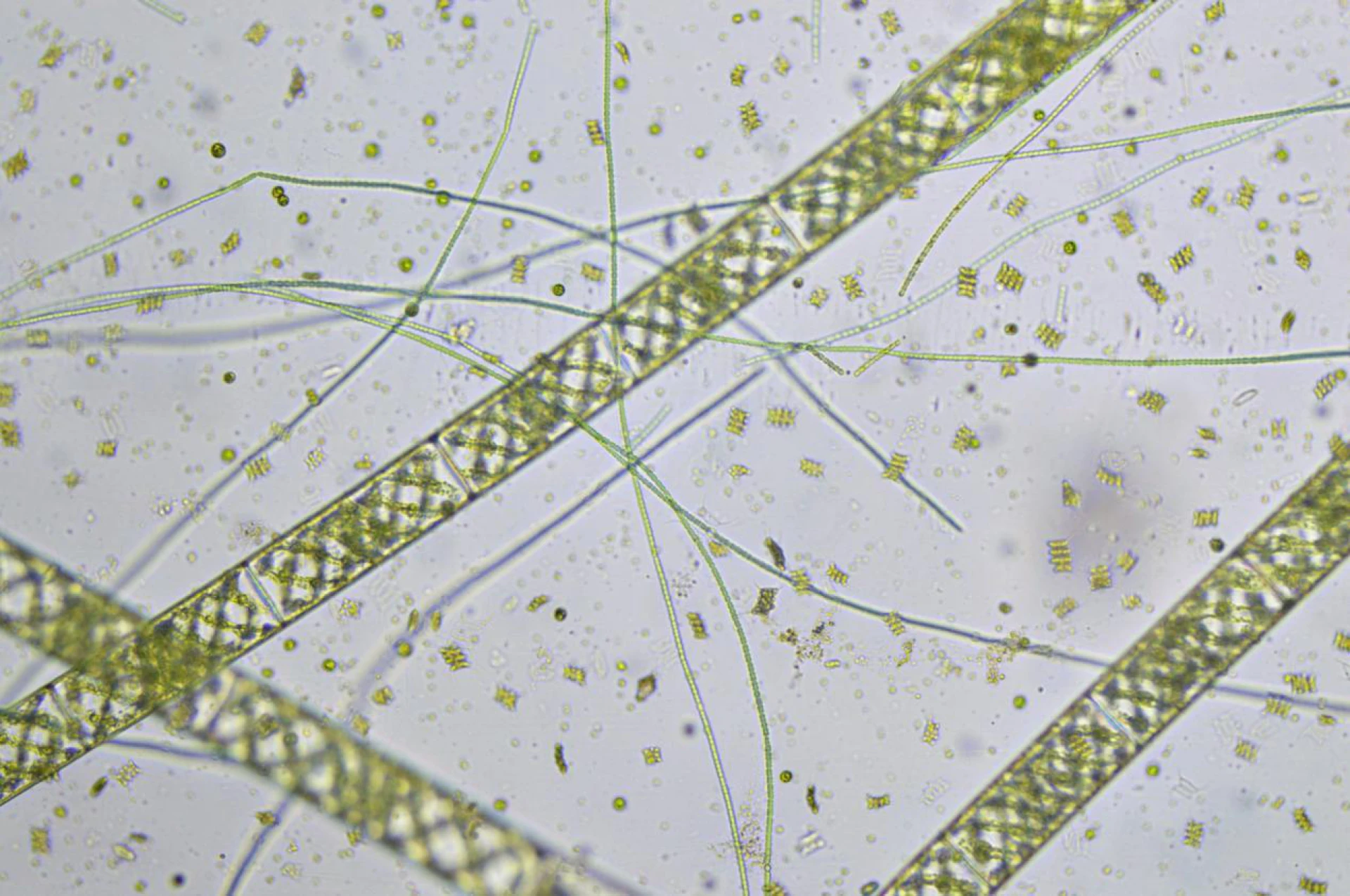
Microscopic Organisms for Live Study
· Includes algae, protozoa, daphnia, and fungi cultures.
· Supports microbial investigations, ecosystem modelling, and cell structure analysis.
· Provides an essential resource for understanding life at a microscopic level.
Why Hands-On Learning Remains Essential in Biology
With the growing availability of virtual simulations and digital models, some educators may question the continued necessity of preserved specimens. However, the hands-on biological study remains irreplaceable for several reasons:
· Sensory Engagement: Physical interaction with specimens enhances memory retention and conceptual understanding.
· Realistic Representation: Three-dimensional structures cannot be fully appreciated through screens or diagrams alone.
· Skill Development: Dissection techniques, specimen handling, and scientific inquiry are best learned through direct experience.
Encouraging Inquiry-Based Learning
Science education specimens provide students with opportunities to engage in inquiry-driven learning. Encouraging students to hypothesize, investigate, and analyze preserved specimens promotes scientific curiosity and independent thinking.
Educators can implement preserved specimens into their curriculum through:
· Comparative Dissections: Examining structural differences across species to understand evolutionary biology.
· Histological Studies: Observing preserved tissues under microscopes to explore cellular structures.
· Physiological Demonstrations: Analyzing preserved hearts to study cardiovascular function.
Strengthening STEM Education with High-Quality Biological Specimens
STEM (Science, Technology, Engineering, and Mathematics) education emphasizes critical thinking, problem-solving, and hands-on learning. Incorporating preserved specimens into STEM curricula strengthens students’ ability to:
· Identify and describe complex biological structures.
· Connect theoretical principles with practical applications.
· Develop laboratory skills essential for higher education and professional scientific fields.
Elevating Biology Education with Reliable Specimen Sources
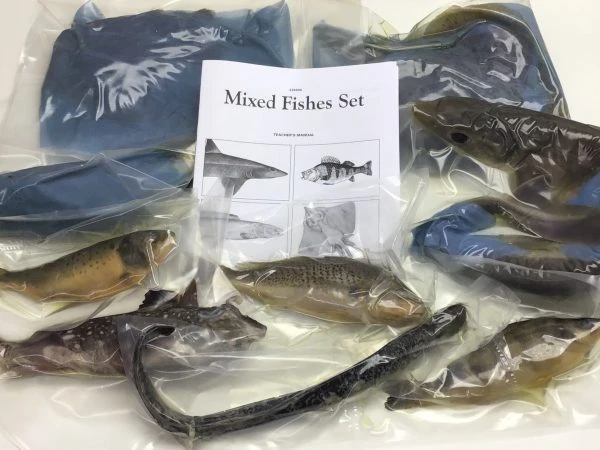
Would students truly benefit from an education that lacks direct engagement with real biological structures? The importance of preserved specimens in biology education cannot be overstated. These resources provide students with essential exposure to anatomical study, reinforce key scientific principles, and cultivate hands-on skills necessary for future scientific pursuits.
For educators seeking high-quality biological specimens, reputable suppliers offer an extensive selection of preserved and frozen specimens tailored for academic use. Providing students with reliable, accurately preserved specimens ensures a comprehensive and effective learning experience.
To enhance biological education with high-quality science education specimens, browse the latest selection of preserved specimens and order biology lab supplies today.











Sign in to leave a comment.