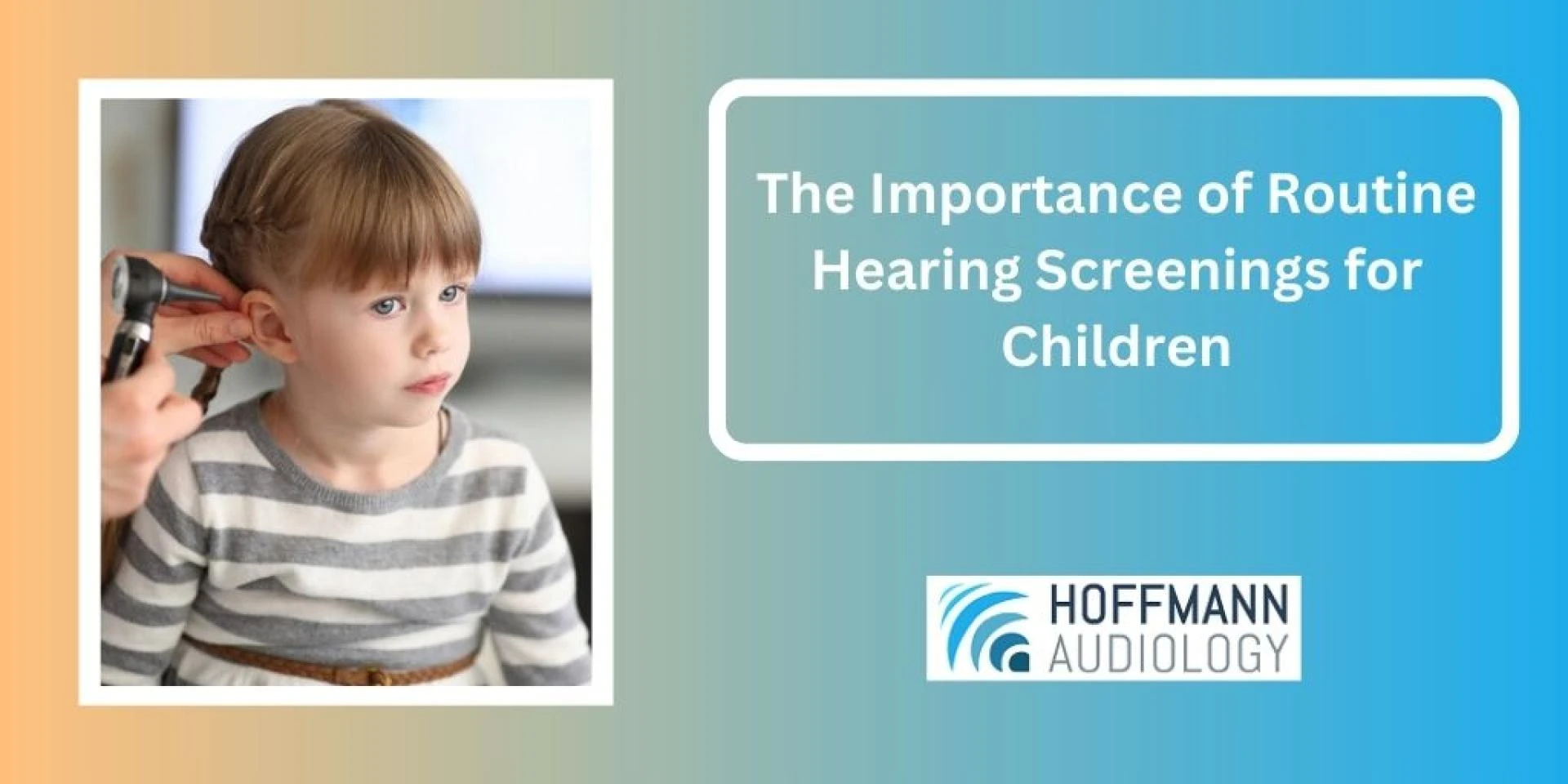

Hearing is a vital sense that plays a key role in a child’s communication, learning, and social development. From infancy through adolescence, hearing enables children to understand language, develop speech, engage socially, and succeed academically. For this reason, routine hearing screenings are an essential part of pediatric healthcare.
Regular screenings help detect hearing issues early — often before any visible signs appear — and allow timely intervention that can support a child’s overall development and quality of life.
The Purpose of Routine Hearing Screenings
Hearing loss in children may not always be immediately obvious. Many children can hear some sounds and still have difficulty hearing others, especially in noisy environments. Some may compensate well, making it hard for parents or teachers to detect an issue.
Routine screenings are designed to:
- Identify hearing problems as early as possible
- Monitor children with risk factors for hearing loss
- Facilitate early diagnosis and treatment, which is crucial for speech and language development
When Should Children Be Screened?
According to guidelines from health authorities, hearing should be monitored at various stages:
- Newborn Screening
- All newborns should undergo a hearing screening before leaving the hospital. This early screening can detect congenital hearing loss, which affects about 1 to 3 out of every 1,000 babies.
- Infants and Toddlers (0–3 years)
- Children with risk factors such as prematurity, a family history of hearing loss, or frequent ear infections should be monitored more closely.
- Preschool Age (3–5 years)
- As children begin to speak and interact more socially, this is a critical period for identifying hearing problems that may affect language development.
- School Age and Adolescents
- School-based screenings and routine check-ups help detect late-onset or acquired hearing loss that may result from illness, injury, or environmental factors.
What Happens During a Hearing Screening?
A hearing screening is a quick and painless procedure designed to identify whether a child might have hearing loss. The method used depends on the child’s age:
- Newborns typically undergo automated tests such as otoacoustic emissions (OAE) or auditory brainstem response (ABR), which use small probes or sensors to detect how the ear and brain respond to sound.
- Toddlers and older children may participate in behavioral tests that involve responding to tones or words through headphones.
If the child does not pass the screening, a referral will be made for a comprehensive hearing evaluation by an audiologist.
Potential Causes of Hearing Loss in Children
Hearing loss in children can be temporary or permanent, and may result from various factors:
- Congenital hearing loss present at birth due to genetic factors or prenatal complications
- Middle ear infections (otitis media), which are common in early childhood
- Earwax blockages or presence of a foreign object in the ear canal
- Noise-induced hearing loss, especially from loud music or environmental exposure
- Infections, such as measles, meningitis, or mumps
Routine screenings help ensure that any of these conditions are identified and managed appropriately.
Impact of Undetected Hearing Loss
If hearing loss is not detected early, it can significantly impact a child’s development. Potential effects include:
- Delayed speech and language skills
- Learning difficulties and poor academic performance
- Social isolation and behavioral challenges
- Low self-esteem and frustration in communication settings
Early identification through screening helps minimize these outcomes by allowing for timely support and resources.
The Role of Parents and Educators
Parents, teachers, and caregivers play a key role in recognizing early signs of hearing difficulties. Some indicators to watch for include:
- Not responding to sounds or their name
- Turning up the volume on electronic devices excessively
- Difficulty understanding speech, particularly in noisy environments
- Speech that is unclear or delayed compared to peers
- Frequently asking for repetition or appearing inattentive
If any of these signs are present, it is important to consult a pediatrician or hearing specialist.
Conclusion
Routine hearing screenings are a critical component of pediatric health care. They enable early detection of hearing loss, ensuring that children receive the support they need to develop language, succeed in school, and build strong social connections. Parents and healthcare providers should prioritize regular screenings as part of a child's preventive health routine.
Disclaimer: Please note that this information is for educational purposes only. There is no patient-doctor relationship established. Please consult your healthcare provider for individualized recommendations.











Sign in to leave a comment.