
Creating a Sense of Security
Routine is very important for young children. It helps them feel safe and secure because they know what to expect. When kids have a regular schedule, they feel more comfortable and confident. This is because routines make their world more predictable, and they can trust that certain things will happen at the same time each day.
Having a set time for meals, naps, and bedtime helps children know what comes next. This regularity can reduce anxiety and help them feel more in control. When kids know they will have dinner at 6 PM every day, followed by a bedtime story, it becomes a comforting pattern they can rely on.
Supporting Healthy Development
Routines are also important for supporting healthy development in young children. Regular schedules help kids develop good habits, like brushing their teeth and washing their hands. When these activities are part of their daily routine, children are more likely to do them automatically, leading to better hygiene and health.
A consistent bedtime routine is especially important. It helps children wind down and prepare for sleep, which is crucial for their growth and development. Good sleep habits, like going to bed at the same time every night, help kids get the rest they need. Enough sleep is important for their physical health, learning, and overall well-being.
Routines also help children learn time management. When they follow a schedule, they start to understand the concept of time and the sequence of events. For example, they learn that after breakfast, it\'s time to get dressed, and then they go to school. This helps them develop a sense of responsibility and independence.
Routine in Early Childhood Education
Enrolling at a great daycare plays an extremely important role in child development and routines. In preschool and daycare settings, having a consistent schedule helps children adjust to the new environment. It provides structure and helps kids know what activities are coming next, whether it\'s playtime, snack time, or circle time.
In educational settings, routines support learning by creating a stable and predictable environment. Children can focus better on activities and lessons because they feel secure and know what to expect. For example, starting the day with a morning circle where children discuss the day\'s plans helps set a positive tone and prepares them for learning.
Routines also help children develop social skills. In group settings, following a routine teaches kids how to take turns, share, and work together. For instance, having a set time for group activities encourages children to participate and cooperate with others.
Routines in early childhood education include educational routines, like reading time or art projects. These activities help children develop cognitive skills, creativity, and a love for learning. Consistent educational routines can foster a sense of accomplishment as children complete tasks and see their progress.
Building Strong Family Bonds
Having a routine can also strengthen family bonds. When families follow a regular schedule, it creates more opportunities for quality time together. For instance, having dinner together every night allows family members to connect, share their day, and enjoy each other\'s company.
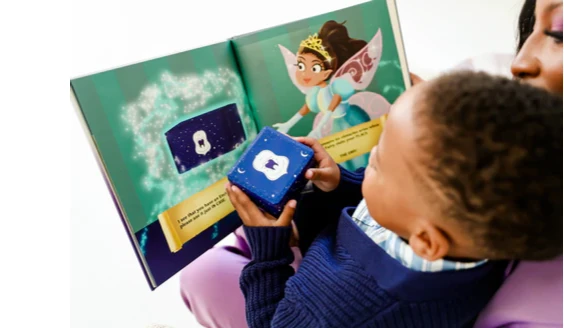
Routines can include fun activities like reading a bedtime story, playing a game, or going for a walk. These moments become special family traditions that children look forward to and cherish. They help build positive memories and a strong sense of belonging.
Routines can make family life less stressful. When everyone knows what to expect, there are fewer arguments and misunderstandings. For example, if children know that after dinner they have to do their homework, they are less likely to resist when it\'s time to study. This makes everyday tasks smoother and more enjoyable for everyone.
Routines are important for young children because they create a sense of security, support healthy development, and build strong family bonds. By establishing and following a regular schedule, parents can help their children feel safe, develop good habits, and enjoy more meaningful family time. Routines provide a comforting structure that benefits the whole family.












Sign in to leave a comment.