A Closer Look at Old European Cut Diamonds
Before modern technology transformed the diamond industry, every stone was shaped by human hands. Old European Cut diamonds are a direct result of that era. They reflect a time when craftsmanship, patience, and artistry determined a diamond’s final form. Today, these antique stones are admired not only for their beauty but also for their historical importance and individuality.
If you are researching vintage diamonds or considering one for an engagement ring or heirloom piece, understanding what makes an Old European Cut unique will help you make an informed and confident decision.
Origins and Historical Significance
The Old European Cut was popular from the late nineteenth century through the early twentieth century. It evolved from the Old Mine Cut and became the dominant round diamond style during the Victorian, Edwardian, and early Art Deco periods.
During this time, diamonds were cut entirely by hand. Skilled artisans relied on experience rather than advanced machinery. Lighting conditions were softer, often limited to candles or early electric fixtures. As a result, diamonds were proportioned to maximize beauty under low light rather than the bright showroom lighting common today.
When modern cutting technology advanced in the early twentieth century, the round brilliant cut gradually replaced the Old European style. Production declined, and authentic examples became limited to existing antique stones.
Key Characteristics of Old European Cut Diamonds
Old European Cut diamonds can be identified by several defining structural features.
Small Table
The table facet is smaller than what is seen in modern diamonds. This influences how light enters and reflects within the stone.
High Crown
The crown is taller, adding depth and enhancing the diamond’s distinctive profile.
Deep Pavilion
A deeper pavilion affects internal light reflection and contributes to the stone’s soft glow.
Open Culet
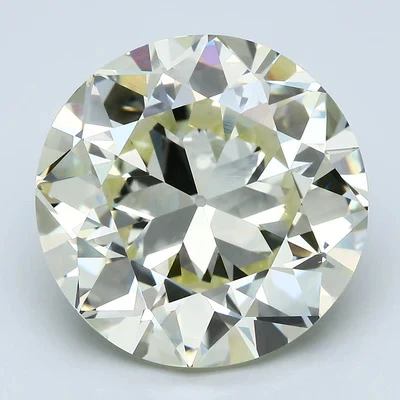
Most Old European Cuts feature a visible culet at the bottom. When viewed from above, it may appear as a small circle at the center of the diamond.
These characteristics produce broader, softer flashes of light rather than the intense brilliance associated with modern cuts.
Light Performance and Visual Appeal
One of the most notable differences between Old European Cuts and modern round brilliant diamonds is how they handle light.
Modern diamonds are engineered to maximize brilliance and sparkle under bright lighting conditions. Old European Cuts were designed for candlelight and softer illumination. Their larger facets create slower, more pronounced flashes of light.
This results in a warm and romantic glow rather than sharp scintillation. Many buyers appreciate this understated elegance, particularly for vintage inspired jewelry.
Why Old European Cut Diamonds Remain Desirable
Despite the dominance of modern cuts, Old European Cut diamonds continue to attract collectors and buyers for several reasons.
Historical Connection
Each stone represents a specific period in jewelry history and reflects traditional craftsmanship.
Individuality
Because they were cut by hand, no two stones are perfectly identical. Subtle variations give each diamond its own character.
Sustainability
Choosing an antique diamond supports sustainable practices by reusing an existing gemstone instead of contributing to new mining.
Rarity
Since these diamonds are no longer widely produced, authentic examples are limited in supply.
Buying Considerations
If you are evaluating an Old European Cut diamond, careful assessment is important.
Examine the Four Cs
Color, clarity, carat, and cut remain essential factors. However, with antique diamonds, overall charm and visual presence often matter as much as technical grading.
Verify Certification
A grading report from a recognized gemological laboratory provides important information about authenticity and quality.
Inspect Condition
Minor wear may be expected in antique stones. Significant damage, however, should be evaluated by a professional.
Select an Appropriate Setting
Old European Cuts pair well with both vintage inspired designs and simple contemporary settings. The setting should highlight the stone’s proportions without overwhelming its character.
Care and Maintenance
Maintaining an antique diamond requires thoughtful care.
- Clean gently using warm water and mild soap
- Avoid harsh chemicals
- Use a soft brush to remove buildup
- Store separately from other jewelry pieces
- Schedule periodic professional inspections
Proper care ensures that both the diamond and its setting remain secure and visually appealing over time.
Comparing Old European Cut and Modern Round Brilliant Diamonds
Understanding the differences between these styles can clarify which option aligns with your preferences.
Modern round brilliant diamonds offer consistent symmetry and intense sparkle. They are optimized using precise mathematical formulas and advanced technology.
Old European Cut diamonds emphasize depth, craftsmanship, and softer light performance. They feature higher crowns, smaller tables, and visible culets. Their beauty lies in individuality rather than uniform precision.
The decision ultimately depends on personal taste. Buyers seeking high intensity brilliance may prefer modern cuts, while those drawn to heritage and character often favor Old European Cut diamonds.
Final Thoughts
Old European Cut diamonds represent an important stage in the evolution of diamond craftsmanship. Their hand cut origins, distinctive proportions, and warm glow distinguish them from modern alternatives.
For buyers who value history, individuality, and timeless appeal, these antique diamonds provide a meaningful and enduring choice. By understanding their features, verifying authenticity, and selecting a trusted source, you can confidently choose a stone that reflects both personal style and appreciation for fine craftsmanship.
rewrite thi blog in totally different way change the way it is and make it different and informative
Old European Cut Diamonds: A Complete Guide for Modern Buyers
When shopping for diamonds today, most people encounter the modern round brilliant cut first. It dominates jewelry stores and online collections because of its precision and sparkle. However, long before advanced cutting technology existed, another round diamond style defined elegance and craftsmanship. That style is known as the Old European Cut.
For buyers who appreciate antique jewelry or want something truly distinctive, understanding Old European Cut diamonds can open the door to a completely different diamond experience. This guide explains what they are, how they differ from modern stones, and what you should know before purchasing one.
What Is an Old European Cut Diamond
An Old European Cut diamond is a vintage round diamond style that was commonly produced from the late 1800s through the early 1900s. It represents the transitional phase between earlier antique cuts and the modern round brilliant cut used today.
Unlike modern diamonds, which are cut using precise machines and computer guided measurements, Old European Cut diamonds were shaped entirely by hand. Craftsmen used basic tools and relied heavily on experience and visual judgment. Because of this, each stone has slight variations that make it unique.
These diamonds were designed to perform well under candlelight and softer indoor lighting rather than bright showroom lights. Their structure reflects that purpose.
Structural Features That Define the Cut
Old European Cut diamonds have several recognizable characteristics that separate them from contemporary round diamonds.
Smaller Table
The flat top facet of the diamond is noticeably smaller compared to modern stones. This influences how light enters and disperses.
Higher Crown
The upper portion of the diamond rises more prominently, creating added depth and dimension.
Deeper Pavilion
The bottom portion extends further downward, affecting internal reflection.
Open Culet
Most Old European Cuts feature a visible culet, which is a small facet at the very bottom tip of the diamond. When viewed from above, it can appear as a tiny circle in the center.
Together, these features create a softer and broader pattern of light reflection rather than the intense sparkle associated with modern cuts.
Light Performance Compared to Modern Diamonds
The way a diamond handles light significantly impacts its appearance. Modern round brilliant diamonds are mathematically optimized for maximum brilliance, fire, and scintillation under strong lighting.
Old European Cut diamonds were proportioned differently because lighting conditions were not as bright in the nineteenth and early twentieth centuries. Instead of sharp flashes of light, these diamonds produce larger, slower bursts of brilliance. Many buyers describe their glow as warm and romantic.
This difference is not about quality but about style. It comes down to whether you prefer high intensity sparkle or softer vintage radiance.
Historical Context and Craftsmanship
Old European Cut diamonds were especially popular during the Victorian, Edwardian, and early Art Deco periods. Jewelry in these eras emphasized detail, elegance, and hand craftsmanship.
Because each stone was cut by hand, perfect symmetry was not the primary goal. Instead, cutters focused on maximizing beauty based on the natural shape of the rough diamond. This often resulted in subtle irregularities that are now considered part of the stone’s charm.
As cutting technology advanced in the early twentieth century, diamond manufacturers shifted toward more precise and standardized methods. The round brilliant cut gradually replaced the Old European style, and production declined significantly.
Today, authentic Old European Cut diamonds are limited to antique stones that have been preserved over time.
Advantages of Choosing an Old European Cut
There are several reasons buyers continue to seek out this antique diamond style.
Distinctive Character
Each diamond has unique proportions and facet alignment, making it different from mass produced modern stones.
Connection to History
Owning one provides a tangible link to a specific period of jewelry design and craftsmanship.
Sustainable Option
Antique diamonds are environmentally responsible choices because they reuse existing gemstones rather than creating demand for new mining.
Long Term Appeal
Due to their limited supply and historical value, well maintained Old European Cut diamonds often remain desirable in the collector market.
What to Consider Before Buying
If you are thinking about purchasing an Old European Cut diamond, consider the following factors.
Evaluate the Four Cs
Color, clarity, carat weight, and cut are still important. However, antique diamonds may not conform to modern cut grading standards. Focus on overall beauty and visual balance.
Check Certification
A grading report from a reputable gemological laboratory provides transparency regarding authenticity and quality.
Assess Condition Carefully
Minor wear may be expected due to age. Inspect for chips or significant structural damage that could affect durability.
Choose the Right Setting
Old European Cut diamonds work well in vintage inspired settings but can also create striking contrast in minimalist modern designs.
Care and Preservation
Antique diamonds require thoughtful maintenance to ensure longevity.
- Clean gently with warm water and mild soap
- Avoid strong chemical cleaners
- Store separately to prevent scratches
- Schedule routine professional inspections to secure the setting
With proper care, these diamonds can remain beautiful for generations.
Is an Old European Cut Right for You
The decision between an Old European Cut and a modern round brilliant ultimately depends on personal preference. If you prioritize maximum sparkle and perfect symmetry, a modern cut may suit you best. If you value individuality, craftsmanship, and historical significance, an Old European Cut diamond offers something truly distinctive.
These stones stand as reminders of an era when artistry shaped every facet. Their softer brilliance and unique proportions continue to attract buyers who appreciate timeless elegance and meaningful design.
By understanding their features and history, you can confidently decide whether an Old European Cut diamond aligns with your style, values, and long term expectations.
Explore Authentic Antique Diamonds
If you are ready to discover the charm and individuality of Old European Cut diamonds, explore a carefully curated selection at 47 Jewelry. Visit our website to browse available pieces and find a diamond that reflects both heritage and personal style.











Sign in to leave a comment.