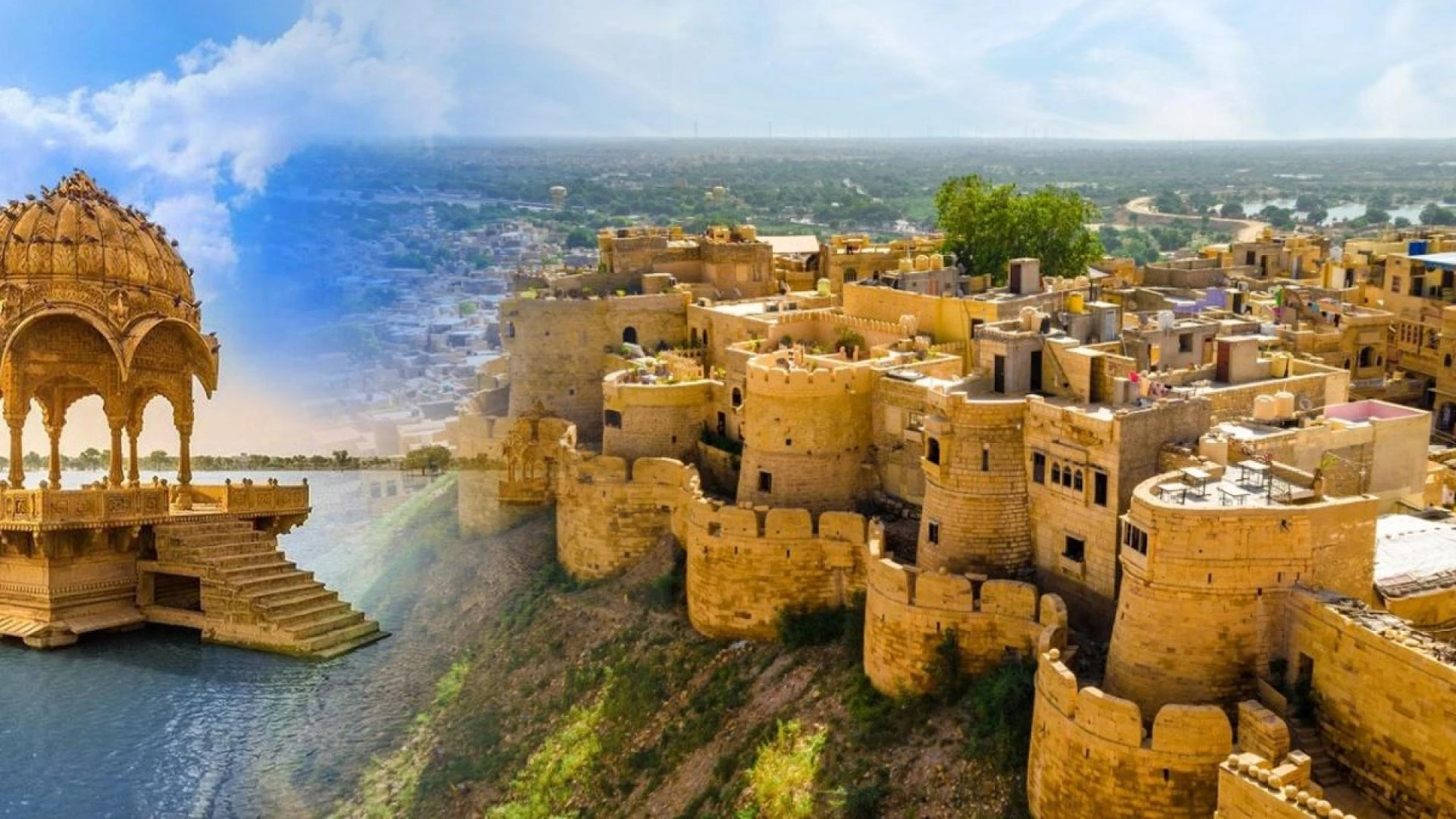

Rising from the heart of the Thar Desert like a golden mirage, Jaisalmer Fort stands as a magnificent testament to Rajasthan’s regal heritage. Often referred to as “Sonar Quila” or “Golden Fort” due to its honey-hued sandstone structure, this architectural marvel is not just a monument but a living, breathing citadel that has witnessed centuries of history unfold. Whether you’re arriving via the Best cab service in Jaisalmer or planning a deeper cultural immersion, the fort greets you with grandeur and stories etched in stone.
A Fortress Forged in Time
Built in 1156 AD by the Rajput ruler Rawal Jaisal, the Jaisalmer Fort is one of the largest fully preserved fortified cities in the world. It was strategically constructed atop the Trikuta Hill, offering panoramic views of the desert surroundings and serving as a powerful defense against invasions. The fort has served many roles — from a military post to a bustling trade hub along the ancient Silk Route — making it an enduring symbol of Rajput valor and strategic brilliance.
Unlike many other forts in India, Jaisalmer Fort is not abandoned. It houses thousands of residents, shops, temples, and havelis, making it one of the few “living forts” on the planet. This blend of ancient and modern life creates a unique atmosphere that immerses visitors in centuries-old culture while still engaging with contemporary Rajasthani lifestyle.
Architectural Grandeur that Captivates the Soul
The architecture of Jaisalmer Fort is a stunning fusion of Rajput military ingenuity and intricate craftsmanship. The fort’s massive sandstone walls glow with golden hues during sunrise and sunset, a phenomenon that has inspired countless artists and photographers. Inside, narrow winding lanes lead you through richly carved Jain temples, ornately decorated palaces, and grand havelis that belonged to wealthy merchants of the past.
Among the fort’s most notable features are the Raj Mahal (Royal Palace), the Laxminath Temple, and the seven intricately carved Jain temples built between the 12th and 16th centuries. These structures are adorned with detailed carvings that speak to the skills of artisans who worked with incredible precision in a harsh desert climate.
Legends Etched in Sandstone
No tale of Jaisalmer Fort is complete without its legends. Locals believe that the fort is protected by powerful deities and ancestral spirits. One of the most enduring legends is of the prophecy made by a sage, Eesul, who cursed the land after being dishonored by the king. This legend is woven into the narrative of the fort’s origin and lends an aura of mystique that intrigues history enthusiasts and spiritual seekers alike.
There’s also the story of the valiant queen and women of the fort who committed Jauhar, an act of mass self-immolation, during a siege to protect their honor from invading forces. These tales are not just folklore but part of the collective memory of the fort, still echoed by the guides and locals who have inherited this oral tradition.
Exploring Jaisalmer Fort: A Journey Through Time
Navigating the vibrant corridors of the fort is like stepping into a time capsule. The residential areas, often adorned with intricately latticed windows and sandstone balconies, give visitors a rare peek into the daily life of its inhabitants. For travelers eager to experience every corner of the fort, opting for a Jaisalmer taxi service is a smart choice. It allows flexibility and comfort, especially under the blazing desert sun.
As you explore, don’t miss the local bazaars inside the fort where you can find exquisite Rajasthani handicrafts, textiles, and jewelry. Every object tells a story — whether it’s a handcrafted camel-leather bag or a piece of antique silverware passed down through generations.
The Living Heritage and Community Preservation
What makes Jaisalmer Fort truly unique is the way it has continued to be a part of the community. Unlike other forts turned museums, Jaisalmer Fort is a thriving township. Families who have lived here for generations continue to practice their age-old traditions, and artisans still work with the same tools and techniques that their ancestors used centuries ago.
This living heritage has led to both admiration and challenges. The fort faces threats from overpopulation, poor drainage, and the pressures of modern tourism. Preservation efforts, led by both governmental and non-governmental organizations, are ongoing to ensure that this icon of Rajasthani heritage continues to stand tall for future generations.
Why Jaisalmer Fort Deserves a Spot on Your Itinerary
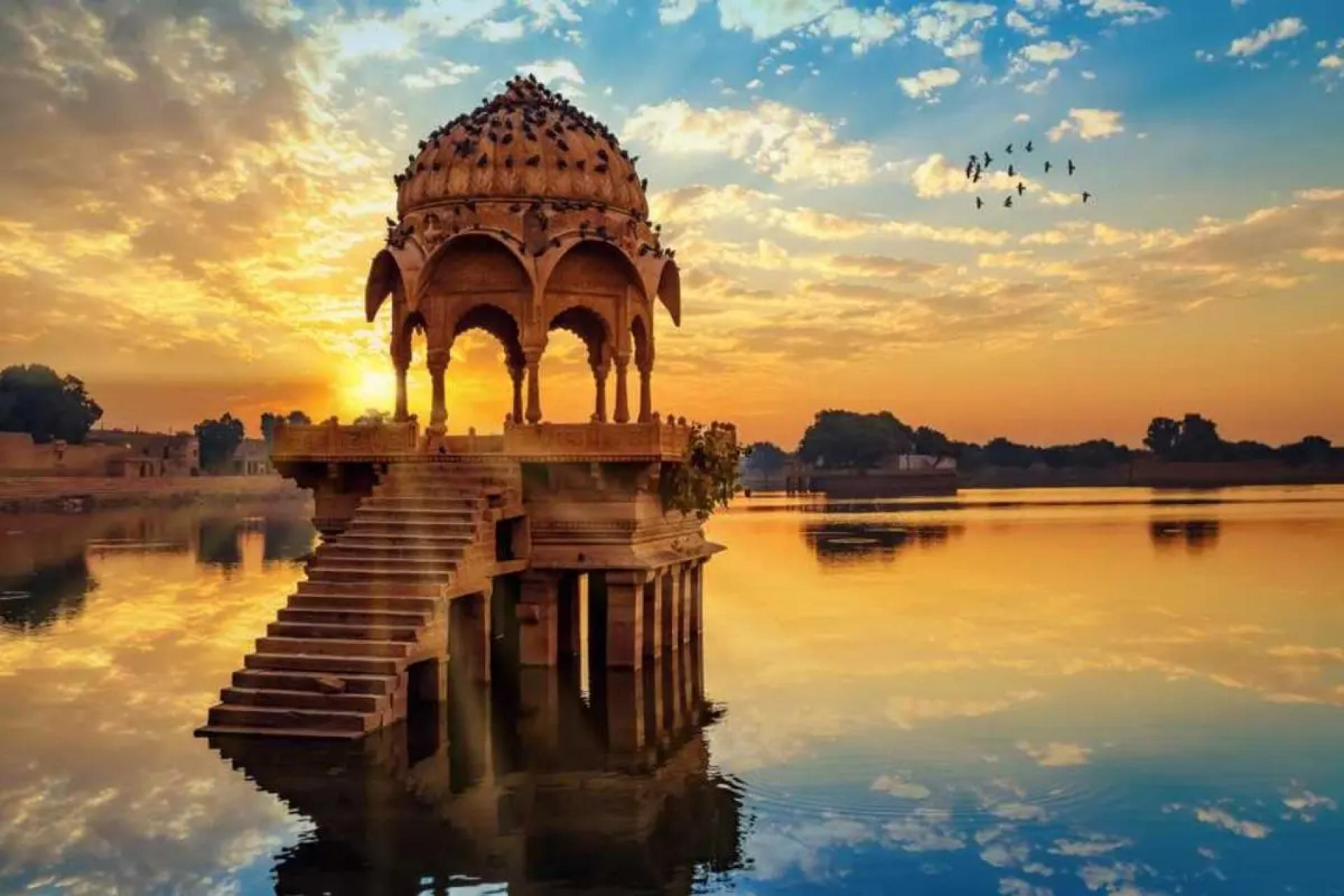
Whether you’re a historian, a photographer, or a wanderer, Jaisalmer Fort offers more than just architectural beauty. It’s an emotional and cultural experience that connects you with the soul of Rajasthan. A Jaisalmer sightseeing tour often includes stops at nearby attractions such as Patwon Ki Haveli, Salim Singh Ki Haveli, and the famous Gadisar Lake, enriching your understanding of the city’s royal legacy.
Visitors often describe the fort as timeless — where every stone speaks, every corner hides a tale, and every sunset paints a canvas of golden tranquility. The echoes of ancient Rajput chants, the aroma of traditional Rajasthani dishes wafting through narrow alleys, and the smiles of the locals form a tapestry that stays with you long after you’ve left the desert city.
The Enduring Allure of the Golden Fort
Jaisalmer Fort is more than just an architectural wonder. It is a living, breathing legend — an embodiment of Rajasthan’s indomitable spirit, artistic mastery, and historical richness. For travelers in search of authenticity, it promises not just a visual feast, but a soul-stirring journey into a past that continues to thrive in the present.
As you walk through its gates, the desert wind whispers stories of kings, battles, beauty, and endurance — inviting you not just to observe, but to become a part of its golden legacy.









Sign in to leave a comment.