
A shooting range early on a Saturday morning can be oddly calm. A few people quietly setting up targets. Someone cleaning a firearm at a wooden bench. Another person reading a small instruction card before loading ammunition. Nothing dramatic happening. Just routine.
Yet behind that calm scene sits something bigger than hobby or routine. Firearm ownership carries legal responsibility—sometimes more than people expect at first.
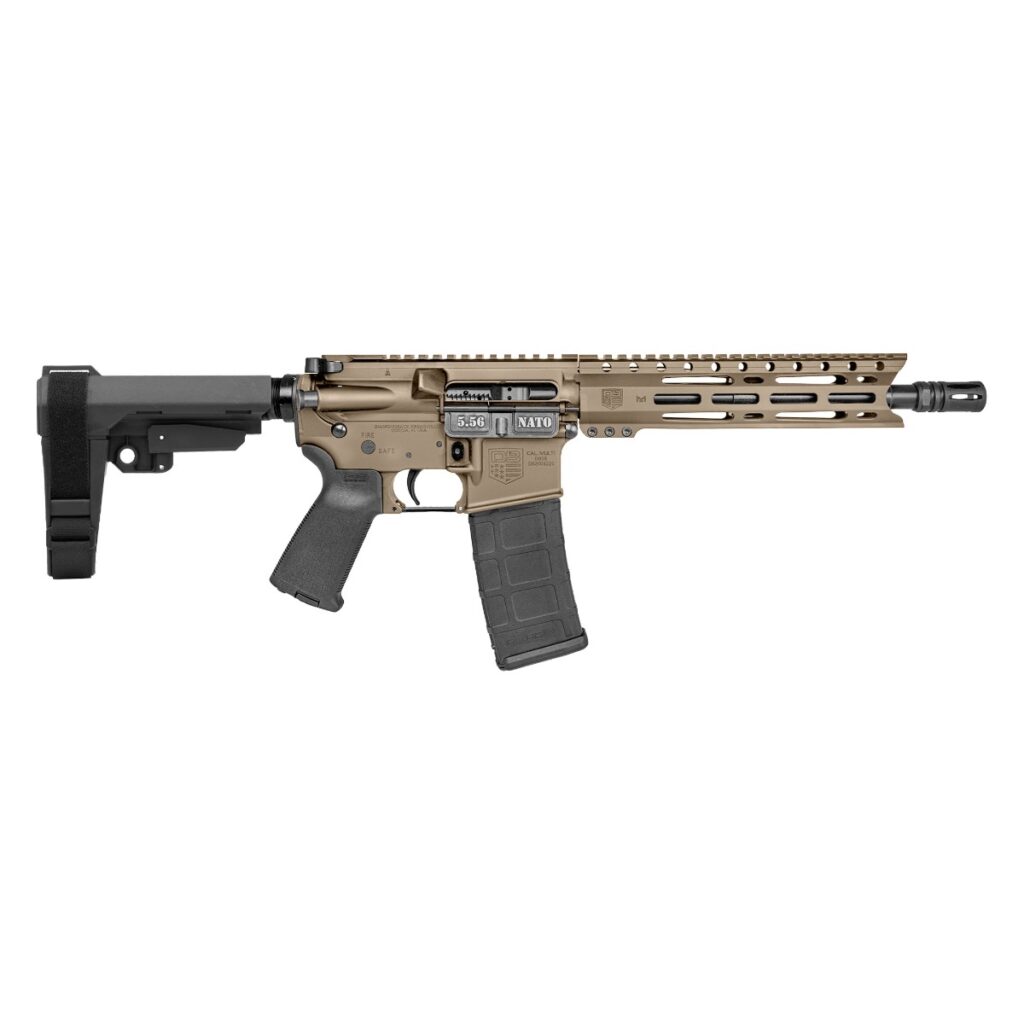
Consider the moment someone purchases a firearm. The process might involve paperwork, a background check, and a waiting period depending on location. Once the transaction is finished, the responsibility doesn’t end. It actually begins. Whether the firearm is a hunting rifle, a standard pistol, or something less common like an ak handgun, the legal expectations surrounding ownership remain significant.
Laws Exist on Several Levels
One of the first surprises for many gun owners is how layered firearm laws can be.
Federal law establishes certain baseline rules. Licensed dealers must conduct background checks through federal systems before transferring firearms to buyers. Certain individuals—such as those with specific criminal convictions—are prohibited from owning guns altogether.
But federal law is only the beginning.
State governments add their own regulations. Some require permits for concealed carry. Others regulate magazine capacity or impose waiting periods for purchases. Local governments may introduce additional rules related to storage or transportation.
It creates a patchwork system. Move across a state line and the legal picture can shift quickly.
That complexity explains why experienced gun owners often keep track of legal updates. Regulations evolve. What was allowed a few years ago might not be treated the same today.
Safe Storage Is More Than a Suggestion
Firearms and unsecured environments rarely mix well. That reality sits at the center of many storage laws.
Several states now require gun owners to secure firearms when they are not in use, particularly in homes where minors may be present. Locking devices, safes, and secured cabinets serve an obvious purpose—preventing unauthorized access.
Imagine a situation where a firearm is left inside a desk drawer. A visitor or child discovers it. Curiosity takes over. The outcome could become dangerous very quickly.
Because of scenarios like this, courts often examine storage practices after an incident. Investigators ask simple but important questions. Was the firearm locked? Was reasonable care taken?
Sometimes the difference between responsible ownership and legal trouble comes down to a small daily habit—locking the firearm away.
Transporting Firearms Has Rules Too
Moving a firearm from home to a range or hunting area may sound simple, but transportation laws often contain specific requirements.
Some states require firearms to remain unloaded while being transported. Others mandate that the weapon be locked in a case separate from ammunition. In certain jurisdictions, carrying a firearm inside a vehicle may require a permit.
Crossing state borders introduces another level of complication.
A firearm transported legally in one state might fall under different rules in another. Responsible owners often check local regulations before traveling, especially when passing through multiple states.
It might feel tedious. Still, careful preparation avoids serious legal headaches later.
Training and Knowledge Matter
Owning a firearm without understanding how it works can create unnecessary risks.
Formal training programs teach core safety habits—keeping the muzzle pointed in a safe direction, maintaining trigger discipline, and confirming whether a firearm is loaded before handling it. These practices may sound basic, but they form the foundation of safe gun handling.
Many states encourage training or require it before issuing carry permits. Even in places where training isn’t mandatory, responsible gun owners often seek it voluntarily.
A trained individual tends to move more deliberately around firearms. Actions slow down. Safety checks become automatic.
Odd detail, perhaps, but experienced shooters often pause before touching a firearm. A small moment of awareness. That pause prevents mistakes.
Negligence Can Lead to Serious Consequences
Firearm laws don’t focus only on ownership—they also address behavior.
Negligent handling of a firearm can lead to criminal charges if it results in injury, property damage, or public danger. Leaving a weapon accessible to unauthorized individuals can also trigger legal consequences.
Consider a hypothetical situation: a firearm left unsecured in a vehicle is stolen and later used in a crime. Investigators may examine whether the owner took reasonable precautions to secure the weapon.
Responsibility sometimes extends further than expected.
The law often evaluates whether a gun owner acted with reasonable care under the circumstances. When that standard isn’t met, legal consequences may follow.
Equipment and Legal Awareness
Another area that occasionally creates confusion involves firearm equipment.
Certain gun accessories—including extended magazines, suppressors, or stabilizing devices—may fall under regulatory restrictions depending on state or federal law. What appears to be a minor modification could change how a firearm is legally classified.
Because of that possibility, careful gun owners typically research equipment laws before adding modifications.
A quick check today can prevent complicated legal questions later.
Responsibility Defines Ownership
Gun ownership carries cultural meaning, legal structure, and practical responsibility all at once. Laws exist to guide how firearms are handled, stored, transported, and maintained.
Responsible gun owners tend to approach those rules with quiet attention rather than dramatic gestures. They stay informed about regulations, store firearms securely, and practice safe handling habits.
None of these actions attract much attention.
But they matter.
In the end, the legal responsibilities of gun ownership are less about restrictions and more about accountability—ensuring that powerful tools remain controlled, secure, and used with care.















Sign in to leave a comment.