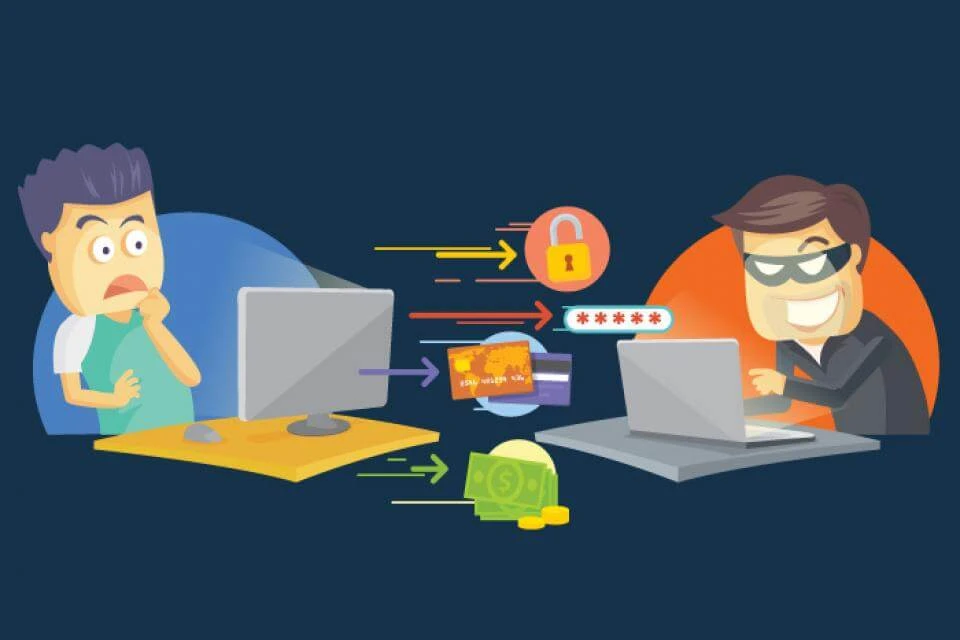

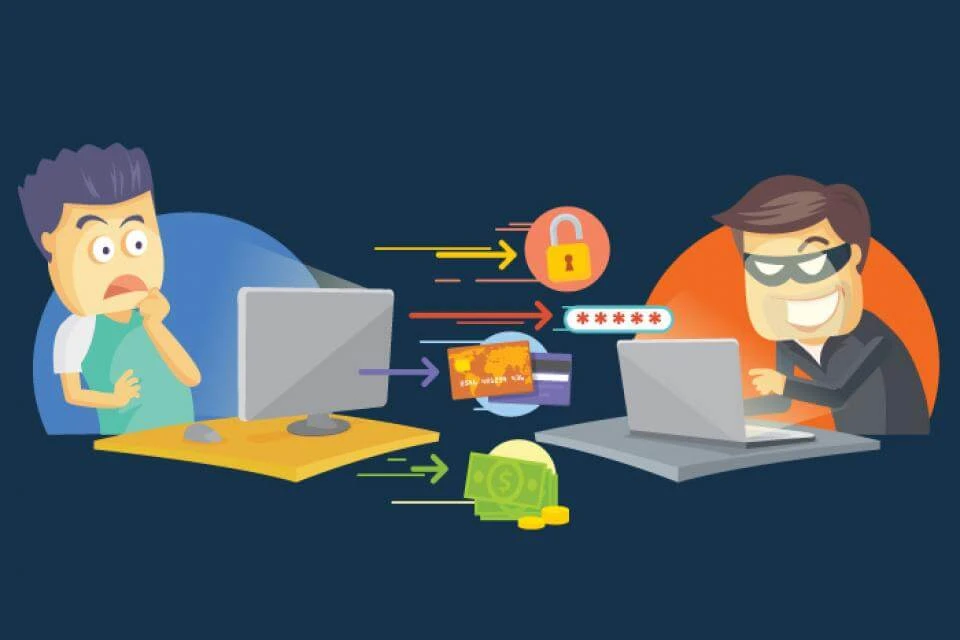
In today’s digital landscape, organizations face an array of cyber threats that can disrupt operations and compromise sensitive data. As a result, the importance of business continuity planning and cyber risk assessments has never been more pronounced. Understanding the relationship between these two critical components is essential for organizations aiming to safeguard their assets and ensure resilience in the face of cyber incidents. This article explores the link between business continuity and cyber risk assessments, highlighting their significance and how they work together to enhance organizational resilience.
What is Business Continuity?
Business continuity refers to the processes and procedures that organizations implement to ensure that critical business functions can continue during and after a disruptive event. This can include natural disasters, cyberattacks, or other unforeseen incidents. A robust business continuity plan (BCP) outlines strategies for maintaining operations, protecting assets, and minimizing downtime.
Key Components of Business Continuity
- Risk Assessment: Identifying potential threats and vulnerabilities that could impact business operations.
- Business Impact Analysis (BIA): Evaluating the potential effects of disruptions on critical business functions and determining recovery priorities.
- Recovery Strategies: Developing plans and procedures to restore operations and minimize downtime.
- Testing and Maintenance: Regularly testing the BCP to ensure its effectiveness and updating it as necessary.
What is a Cyber Risk Assessment?
A cyber risk assessment is a systematic process that identifies, evaluates, and prioritizes risks associated with an organization’s information systems and data. The goal is to understand vulnerabilities, assess the likelihood of cyber incidents, and determine the potential impact on the organization.
Key Components of Cyber Risk Assessments
- Asset Identification: Cataloging information assets, including hardware, software, and data.
- Threat Identification: Identifying potential threats, such as malware, phishing attacks, and insider threats.
- Vulnerability Assessment: Evaluating weaknesses in systems and processes that could be exploited by threats.
- Risk Analysis: Analyzing the likelihood and impact of identified risks to prioritize mitigation efforts.
The Interconnection Between Business Continuity and Cyber Risk Assessments
1. Identifying Critical Functions
Both business continuity and cyber risk assessments focus on identifying critical business functions. Understanding which operations are essential allows organizations to prioritize their recovery efforts during a disruption. Cyber risk assessments provide insights into which systems and data are vital for these functions, ensuring that business continuity plans are aligned with cybersecurity needs.
2. Understanding Vulnerabilities
Cyber risk assessments help organizations identify vulnerabilities that could lead to disruptions. By understanding these weaknesses, organizations can develop targeted strategies within their business continuity plans to address potential cyber incidents. This proactive approach minimizes the risk of downtime and ensures a more resilient operational framework.
3. Informing Recovery Strategies
The findings from cyber risk assessments can inform the development of recovery strategies within business continuity plans. For example, if a risk assessment identifies a high likelihood of ransomware attacks, the business continuity plan can include specific procedures for data backup, recovery, and incident response to mitigate the impact of such attacks.
4. Enhancing Organizational Resilience
Integrating cyber risk assessments into business continuity planning enhances overall organizational resilience. By addressing cyber risks as part of the broader continuity strategy, organizations can better prepare for and respond to cyber incidents, reducing the potential for significant disruptions.
Best Practices for Integrating Cyber Risk Assessments and Business Continuity Planning
- Conduct Regular Assessments: Perform both cyber risk assessments and business continuity reviews regularly to ensure that plans remain relevant and effective.
- Engage Stakeholders: Involve key stakeholders from IT, operations, and management in both processes to ensure comprehensive coverage and alignment.
- Develop a Unified Strategy: Create a cohesive strategy that integrates findings from cyber risk assessments into the business continuity plan, ensuring that both areas support each other.
- Test and Update Plans: Regularly test both the business continuity plan and the cyber risk assessment findings to identify gaps and make necessary updates.
Conclusion
The link between business continuity and cyber risk assessments is critical for organizations seeking to enhance their resilience against cyber threats. By understanding the interconnection between these two components, organizations can develop comprehensive strategies that protect their assets, ensure operational continuity, and minimize the impact of disruptions. Integrating cyber risk assessments into business continuity planning not only strengthens security measures but also fosters a culture of preparedness and resilience.
FAQs
What is the primary purpose of a business continuity plan?
The primary purpose of a business continuity plan is to ensure that critical business functions can continue during and after a disruptive event.
How often should cyber risk assessments be conducted?
Cyber risk assessments should be conducted regularly, typically annually, or whenever significant changes occur in the organization’s IT environment.
What are the key components of a cyber risk assessment?
Key components include asset identification, threat identification, vulnerability assessment, and risk analysis.
How do cyber risk assessments inform business continuity planning?
Cyber risk assessments identify vulnerabilities and potential threats, allowing organizations to develop targeted recovery strategies within their business continuity plans.
Why is it important to integrate cyber risk assessments with business continuity planning?
Integrating these processes enhances organizational resilience, ensuring that both cybersecurity and operational continuity are addressed in a cohesive manner.
Visit: Writeupcafe













Sign in to leave a comment.