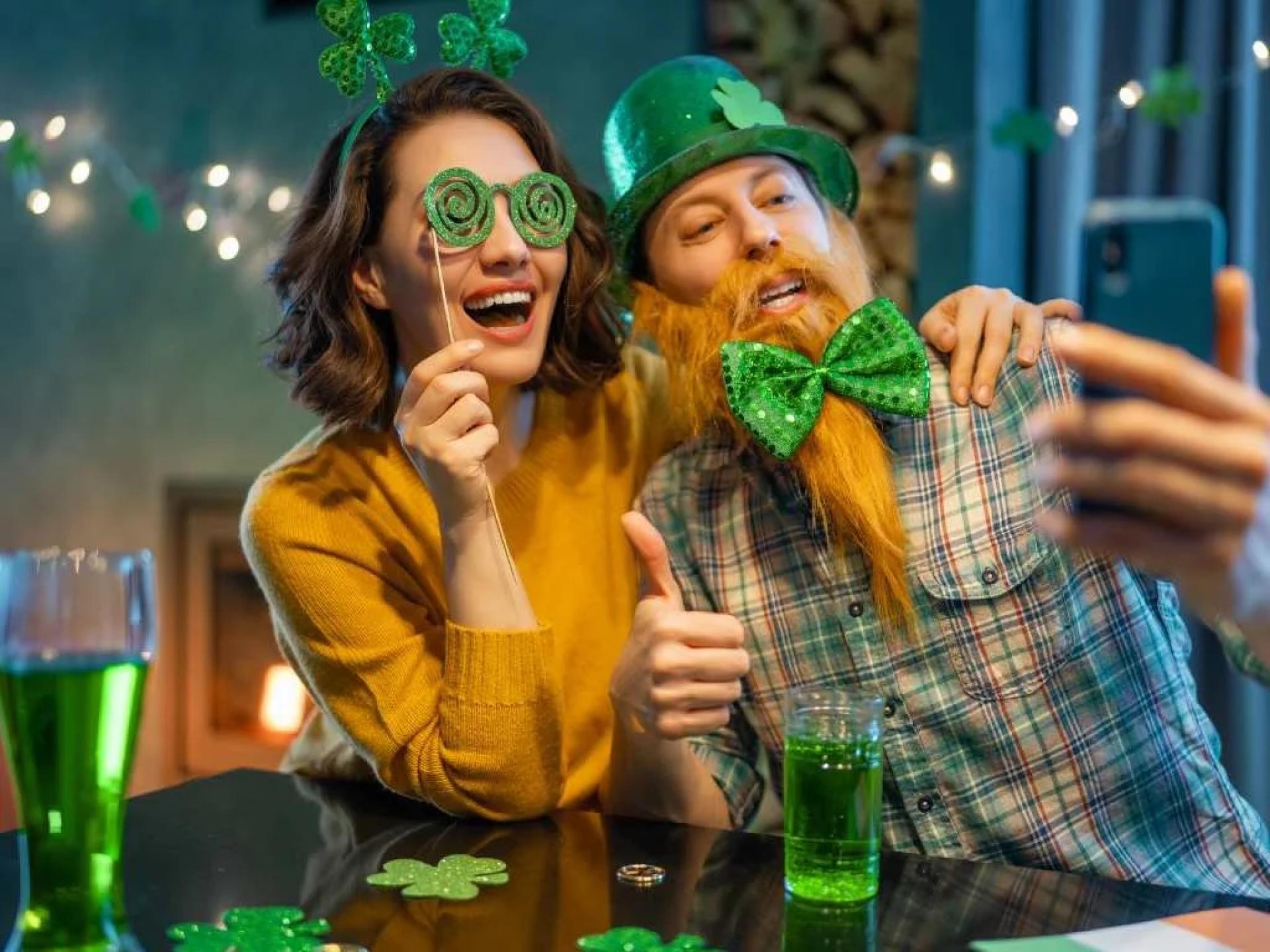

Every March 17, the world seems to turn green. Cities host lively parades, people wear shamrocks, and festive celebrations pop up everywhere. But behind the music, decorations, and traditions lies a fascinating story filled with history, culture, and unexpected details.
If you think St. Patrick’s Day is simply about wearing green and celebrating Irish heritage, think again. The holiday has a rich past that stretches back centuries and includes plenty of surprising twists.
In this guide, we’ll explore some of the most interesting fun facts about st patrick s day—from its origins to the traditions that shaped it. Along the way, you’ll discover fascinating Irish culture facts and learn more about St Patrick history Ireland that most people rarely hear about.
Let’s dive into the stories behind one of the world’s most beloved celebrations.
1. St. Patrick Was Not Actually Irish
One of the most surprising fun facts about st patrick s day is that St. Patrick himself wasn’t born in Ireland.
He was born in Roman Britain during the late 4th century. As a teenager, he was kidnapped by Irish raiders and taken to Ireland as a slave. During those difficult years, he developed a strong Christian faith.
Eventually, he escaped and returned home—but later chose to return to Ireland as a missionary.
That decision became a defining moment in St Patrick history Ireland.
2. The First St. Patrick’s Day Parade Was in America
Many people assume the first parade took place in Ireland.
In reality, the earliest recorded St. Patrick’s Day parade happened in New York City in 1762.
Irish soldiers serving in the British army marched through the city to celebrate their heritage.
This moment became an important milestone in Irish-American culture and remains one of the most interesting Irish culture facts connected to the holiday.
3. Blue Was Once the Color of St. Patrick’s Day
Green may dominate today’s celebrations, but historically the color associated with St. Patrick was actually blue.
Over time, green became popular due to Ireland’s nickname—the Emerald Isle—and the use of the shamrock in Irish symbolism.
Today, green represents national pride and Irish identity.
4. The Shamrock Has Religious Meaning
The shamrock isn’t just decorative.
According to legend, St. Patrick used the three-leaf clover to explain the Christian concept of the Holy Trinity—Father, Son, and Holy Spirit.
This simple teaching tool became one of the most recognizable symbols in St Patrick history Ireland.
5. Ireland Once Banned Alcohol on St. Patrick’s Day
Today’s celebrations often involve drinks and parties, but for decades Ireland had strict laws regarding alcohol on March 17.
From 1903 until the 1970s, Irish pubs were actually closed on St. Patrick’s Day.
The holiday was originally intended as a religious observance rather than a party.
6. Chicago Turns Its River Green
One of the most iconic modern traditions happens in Chicago.
Every year, the city dyes the Chicago River bright green to celebrate St. Patrick’s Day.
The tradition began in 1962 and has become one of the most famous fun facts about st patrick s day.
The vibrant color usually lasts several hours and attracts thousands of visitors.
7. There Are No Snakes in Ireland
Another popular legend claims that St. Patrick drove snakes out of Ireland.
While this story is symbolic, scientists say Ireland likely never had native snakes due to its climate and geography.
The tale is often interpreted metaphorically—representing the spread of Christianity replacing pagan traditions.
8. St. Patrick’s Day Is a National Holiday in Ireland
Unlike in the United States, St. Patrick’s Day is an official national holiday in Ireland.
Schools, businesses, and government offices close as the country celebrates with festivals, parades, and cultural events.
This makes March 17 one of the most important days in Irish culture.

9. The Holiday Became Global Through Irish Immigration
Irish immigrants played a major role in spreading the celebration worldwide.
During the 19th century, large numbers of Irish people moved to countries such as the United States, Canada, and Australia.
They brought their traditions with them—turning St. Patrick’s Day into a global celebration.
10. Leprechauns Were Originally Mischievous Creatures
Leprechauns are often portrayed as friendly mascots, but traditional Irish folklore describes them differently.
They were mischievous fairy-like creatures known for guarding hidden treasure.
Their connection to St. Patrick’s Day came much later as the holiday became more playful.
11. The Largest Parade Takes Place in New York City
New York City hosts the largest St. Patrick’s Day parade in the world.
More than two million spectators attend each year, and thousands of participants march along Fifth Avenue.
It’s one of the biggest public celebrations connected to Irish heritage.
12. The Holiday Celebrates Irish Heritage Worldwide
Although it began as a religious observance, today’s celebrations highlight Irish culture in many forms.
Music, dance, food, and storytelling all play important roles.
These traditions help preserve and share Irish culture facts with new generations.
13. Corned Beef Became Popular in America
Corned beef and cabbage is commonly associated with St. Patrick’s Day in the United States.
Interestingly, this dish became popular among Irish immigrants in New York who adapted traditional recipes using available ingredients.
It’s an example of how cultural traditions evolve.
14. Some Celebrations Last for Several Days
In Ireland, St. Patrick’s Day festivals often extend beyond March 17.
Cities like Dublin host multi-day events featuring concerts, parades, and cultural exhibitions.
These festivals attract visitors from around the world.
15. St. Patrick’s Day Is Celebrated on Every Continent
From Tokyo to Sydney to Buenos Aires, St. Patrick’s Day celebrations appear in cities across the globe.
It’s one of the few cultural holidays recognized internationally.
Why These Facts Matter
Learning fun facts about st patrick s day adds depth to the celebration.
Behind every shamrock and parade lies a story rooted in history, faith, and cultural identity.
Understanding St Patrick history Ireland helps us appreciate how traditions evolve and spread across the world.
And discovering new Irish culture facts reminds us that holidays often carry more meaning than we realize.
My Perspective on St. Patrick’s Day
What fascinates me most about this holiday is how it blends history with joy.
The same day that honors a 5th-century missionary now inspires modern celebrations filled with music and laughter.
It’s a rare example of a tradition that continues to evolve while still honoring its roots.
And that balance between history and celebration is part of what makes St. Patrick’s Day so unique.
Final Thoughts
St. Patrick’s Day may look simple on the surface, but its history is filled with fascinating stories and surprising details.
From the true origins of St. Patrick to global celebrations and unexpected traditions, these fun facts about st patrick s day reveal just how rich the holiday really is.
The next time March 17 arrives and the world turns green, remember that behind the festivities lies centuries of culture, faith, and storytelling.
And that’s what makes the celebration truly special.
Stay tuned for more updates:











Sign in to leave a comment.