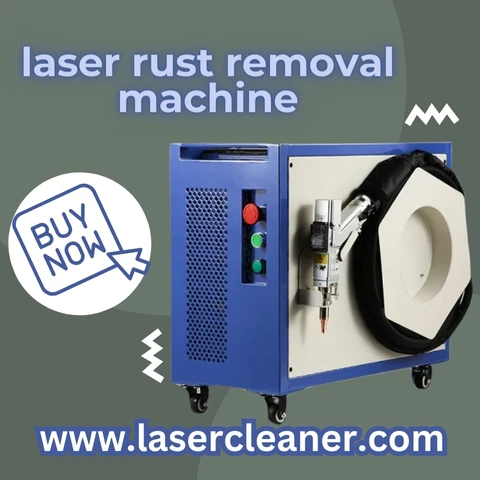
Rust—the relentless enemy of metal—has plagued industries for centuries. From corroded pipelines to weather-worn machinery, the red-orange menace silently eats away at the integrity and aesthetics of metals. But what if there was a way to remove rust with surgical precision, leaving behind a spotless surface—no chemicals, no abrasives, and no residue? Enter the laser rust removal machine, a marvel of modern innovation that’s redefining how we treat corrosion.
Industries across the globe, from automotive to manufacturing and even shipbuilding, are rapidly turning to this advanced technology. But why this sudden shift? What makes a laser rust removal machine the go-to solution in today’s rust remediation world? Let’s dive deep into this revolutionary technique and explore how it’s quietly transforming the landscape of surface treatment.
What Exactly is a Laser Rust Removal Machine?
A laser rust removal machine uses a high-powered laser beam to irradiate the surface of a rusted material. The beam’s energy is absorbed by the rust, causing it to vaporize or disintegrate through a process called ablation. This method selectively targets the oxidized layer (rust) while sparing the base material from damage.
Unlike traditional methods like sandblasting or acid treatments, laser removal is contactless, dry, and incredibly precise. It leaves the surface clean, prepped, and often ready for immediate treatment or repainting.
How It Works
To understand the science behind this machine, imagine pointing a concentrated beam of light at a spot until it’s hot enough to break apart the molecules of rust. That’s essentially what happens, but in a much more controlled and rapid manner.
The system comprises:
- Laser Source: Produces the laser beam with a set wavelength.
- Scanner Head: Directs the beam across the metal surface.
- Control System: Regulates power, frequency, and duration for optimal results.
- Cooling System: Maintains temperature to ensure the machine’s longevity.
The laser rust removal machine does not simply “burn off” rust. It targets only the oxidized material with unmatched precision. This controlled targeting allows the metal underneath to remain unaffected, making it ideal for sensitive components or surfaces requiring minimal alteration.
Real-World Applications
The use cases for a laser rust removal machine are expanding every year. Here are just a few key industries that are utilizing this technology:
Automotive Industry
Car restorers and manufacturers alike are using laser rust removal to clean car frames, engine parts, and undercarriages. It’s especially useful in classic car restoration, where delicate parts need rust removed without damage.
Aerospace
Aircraft components often require extreme precision in cleaning to maintain safety standards. The laser rust removal machine allows technicians to strip away corrosion without compromising the structural integrity of expensive parts.
Maritime and Shipbuilding
Seafaring vessels constantly battle rust due to salt exposure. Laser cleaning has made it possible to maintain decks, hulls, and engine components in a cleaner, safer, and more environmentally friendly way.
Manufacturing Plants
Laser rust removal machines are used to maintain equipment, conveyor belts, and steel infrastructure. The ability to perform in-place rust cleaning helps reduce downtime and maintenance costs.
Construction and Infrastructure
Bridges, railings, and steel reinforcements often suffer from corrosion. Using this machine, maintenance teams can clean these surfaces efficiently and even prepare them for repainting or coating.
Why Are Industries Choosing Laser Over Traditional Methods?
Let’s paint a picture: A massive steel beam, rusted from years of exposure, needs to be cleaned before being reused in construction. Traditional methods like sandblasting create a dusty mess, consume large amounts of abrasive material, and require extensive protective equipment. In contrast, a laser rust removal machine can be wheeled in, pointed at the beam, and within minutes, the surface is clean—no dust, no debris, and no damage.
This level of efficiency, cleanliness, and safety is why so many industries are moving away from outdated, dirty, and dangerous methods in favor of this clean technology. There’s also a significant cost benefit in terms of long-term maintenance, labor, and waste management.
Choosing the Right Machine
The market offers a variety of laser rust removal machines, from handheld models for small-scale work to high-powered industrial units for continuous operation. The right machine for you will depend on factors like:
- Surface area: How large is the area you need to clean?
- Material type: Are you working with steel, aluminum, or another alloy?
- Portability: Do you need a mobile unit or a fixed installation?
- Power output: Higher power means faster cleaning but comes with a higher cost.
- Frequency of use: Occasional use or part of a production line?
For instance, manufacturers who need to clean thousands of parts daily will benefit from an automated, conveyor-style system, while a car enthusiast restoring a vintage vehicle might opt for a compact, handheld laser rust removal machine that offers flexibility and control.
Maintenance and Longevity
Despite their high-tech appearance, these machines are surprisingly easy to maintain. Regular cleaning of the lens and cooling system, along with software updates, keeps them running smoothly. Their solid-state laser sources typically last for thousands of hours before needing replacement.
Additionally, since the process is contact-free, there’s minimal wear and tear on the machine itself—no need to replace grinding heads or resupply abrasive materials like with traditional methods.
Environmental Impact
One of the most compelling reasons industries are adopting laser rust removal machines is sustainability. Traditional methods often use toxic chemicals or produce harmful dust, posing serious environmental and health risks. In contrast, laser cleaning generates minimal waste, consumes only electricity, and doesn’t introduce pollutants into the air or water systems.
Governments and corporations are increasingly focused on green practices. Investing in a laser rust removal solution not only helps reduce carbon footprints but also aligns with modern sustainability goals and regulations.
Investment Value
While the upfront cost of a laser rust removal machine can be higher than other methods, the long-term savings are significant. Factors such as reduced labor, minimal maintenance, no consumables, and lower operational costs contribute to a much lower total cost of ownership over time.
Moreover, the precision and reliability it offers can prevent costly errors, reworks, and material wastage. For businesses, this translates to improved quality control and faster turnaround times, ultimately boosting profitability.
Final Thoughts
Rust may be inevitable, but how we fight it has evolved. The laser rust removal machine is more than just a cleaning device—it’s a strategic investment in efficiency, safety, and sustainability. As industries face increasing pressure to modernize, reduce waste, and operate more cleanly, this technology provides a forward-thinking solution to an age-old problem.
From the meticulous world of aerospace to the gritty undercarriages of vintage cars, the demand for precision rust removal is growing—and so is the popularity of laser cleaning. If you’re in any field where rust threatens your metal assets, now is the time to consider a laser rust removal machine as your next essential tool.
It’s not just about removing rust—it’s about doing it smarter, faster, and cleaner.









Sign in to leave a comment.