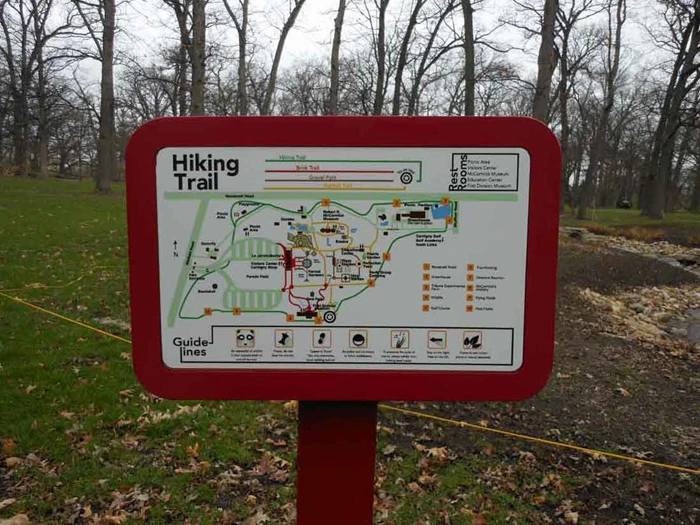

In the competitive world of business, visibility and customer experience are everything. While many companies focus heavily on digital marketing, one of the most practical and cost-effective tools is often overlooked — exterior directional signage. Whether you run a retail store, manage a large corporate campus, or operate a hospital or school, proper signage plays a crucial role in helping people find their way while also reinforcing your brand identity.
In this article, we'll explore the value of exterior directional signage, its different types, how it impacts customer satisfaction, and why choosing the right sign company is essential to get it right.
What Is Exterior Directional Signage?
Exterior directional signage refers to signs installed outdoors to guide people around a facility, property, or public space. These signs provide essential information such as:
- Entry and exit points
- Parking areas
- Building names or numbers
- Delivery zones
- Emergency exits
- ADA (Americans with Disabilities Act) compliant routes
Unlike promotional signage, directional signage focuses primarily on functionality. However, well-designed directional signage also contributes to branding and user experience, making it a subtle yet powerful marketing tool.
Why Is Exterior Directional Signage Important?
1. Improves Navigation and Reduces Frustration
Nobody likes getting lost in a large parking lot or corporate campus. Exterior directional signage ensures visitors can find their way quickly and easily. This is especially crucial for first-time visitors, delivery drivers, and emergency responders.
2. Enhances Safety
Clear signage can prevent accidents by properly directing foot and vehicle traffic. Signs that mark fire exits, loading zones, or restricted areas can reduce the risk of injuries and improve response time in emergencies.
3. Boosts Brand Identity
Every sign on your property is an opportunity to reinforce your brand. Using consistent colors, fonts, and logos across your exterior directional signage helps create a polished, professional appearance that instills trust.
4. Supports Accessibility
ADA-compliant signage is not just a legal requirement but a way to show inclusivity and respect for people with disabilities. Exterior directional signage can be designed to include Braille, tactile elements, and proper placement for better visibility.
5. Increases Operational Efficiency
When employees, customers, or vendors can move through your property without constant assistance, your operations run smoother. Time saved in giving directions or resolving confusion translates into cost savings and better productivity.
Types of Exterior Directional Signage
The type of directional signage you need depends on your industry, location, and the complexity of your site layout. Common types include:
1. Entrance and Exit Signs
These guide vehicles and pedestrians in and out of your premises, making traffic flow seamless and reducing congestion.
2. Parking Signs
Designated signs for visitor, staff, or handicapped parking make it easier for people to find a spot and reduce confusion.
3. Wayfinding Signs
These help people navigate from one point to another — for example, from the parking lot to the main office or specific buildings on a campus.
4. Campus or Directory Maps
Ideal for large properties such as business parks, universities, or medical centers, these signs give a top-down view of the area with landmarks and color-coded zones.
5. Regulatory Signs
Used to ensure compliance with local laws and regulations (e.g., speed limits, no smoking areas, loading zones).
6. Custom Branded Signs
These incorporate your logo, color palette, and tone to create a consistent brand experience while still serving their directional function.
Best Practices for Effective Directional Signage
To get the most out of your exterior directional signage, follow these best practices:
1. Keep It Simple
Use concise, universally understandable language and clear arrows. Avoid overloading the sign with too much information.
2. Ensure High Visibility
Your signs should be readable from a distance. Use high-contrast colors, large fonts, and proper lighting if used at night.
3. Be Consistent
All signs should follow a consistent design system — fonts, icons, colors, and materials should be uniform to avoid confusion.
4. Use Quality Materials
Since exterior directional signage must withstand outdoor elements, invest in durable materials like aluminum, PVC, or weather-resistant vinyl.
5. Comply with Local Regulations
Some cities have strict rules on sign height, lighting, and placement. Work with professionals to ensure you meet all local codes.
How to Choose the Right Sign Company
Selecting a signage provider is just as important as the signs themselves. A reputable company will not only design and install the signs but will also help you navigate legal compliance, branding consistency, and long-term maintenance.
Here’s what to look for:
- Experience with exterior signage projects
- Knowledge of ADA and zoning regulations
- In-house design and fabrication capabilities
- Good client reviews and a local presence
- Willingness to visit your site and provide custom recommendations
A professional signage partner can guide you through the process from concept to completion, ensuring your signage is effective, compliant, and visually appealing.
Industries That Benefit Most from Exterior Directional Signage
Virtually every business can benefit from directional signage, but it’s particularly crucial in:
- Healthcare facilities – Direct patients and emergency services efficiently.
- Educational campuses – Help students, staff, and visitors find buildings and offices.
- Retail centers – Improve the shopping experience with clear lot and store signage.
- Corporate offices – Create a seamless visitor journey and professional appearance.
- Industrial parks – Ensure smooth logistics for deliveries and employee navigation.
Conclusion: Direction Matters
While digital marketing and flashy branding campaigns get much attention, exterior directional signage quietly plays a critical role in the customer journey. It ensures safety, enhances satisfaction, strengthens your brand, and streamlines operations — all while helping people feel more confident on your property.
If you’re planning a signage project or upgrading your existing signs, now is the time to take action. Work with a trusted local expert who understands your needs and offers custom solutions.
For businesses in North Carolina, partnering with an experienced sign company in Raleigh ensures you get high-quality, durable, and visually appealing directional signage tailored to your environment.











Sign in to leave a comment.