

Introduction
Collaboration between parents and teachers is a cornerstone of education, and it's especially critical when it comes to supporting the success of autistic students. Autism Spectrum Disorder (ASD) is a complex developmental condition that affects communication, behavior, and social interaction.
To help these students thrive, a strong partnership between parents and teachers is not just beneficial; it's essential. In this article, we will explore the importance and benefits of parent-teacher collaboration in the education of autistic students, as well as provide practical tips on how to make this collaboration effective.
Understanding Autism Spectrum Disorder:
Before delving into the specifics of parent-teacher collaboration, it's crucial to have a basic understanding of ASD. Autism is a spectrum, which means that the characteristics and needs of autistic individuals can vary widely. Some may have challenges with communication and social interactions, while others may excel in certain areas. Recognizing this diversity is the first step in providing effective support.
The Power of Collaboration
Tailored Education Plans: Parents are often the first to notice signs of autism in their children, and their insights are invaluable in creating individualized education plans (IEPs). Collaborating with teachers, they can tailor these plans to address the unique strengths and challenges of each student.
Consistency and Routine: Consistency is key for many autistic individuals. When parents and teachers work together, they can establish consistent routines and strategies that benefit the student both at school and at home.
Effective Communication: Open and regular communication between parents and teachers is essential for tracking a student's progress, addressing concerns, and making necessary adjustments to the education plan.
Behavioral Support: Autistic students may exhibit behaviors that challenge traditional classroom management. A collaborative approach allows teachers and parents to develop effective strategies for managing these behaviors and providing the support the student needs.
Emotional Support: The emotional well-being of autistic students is paramount. When parents and teachers collaborate, they can offer emotional support and create a nurturing and understanding environment for the student.
Tips for Effective Parent-Teacher Collaboration:
Open Lines of Communication: Establish regular communication channels, which can include emails, phone calls, or face-to-face meetings. Share information about the student's progress and any concerns promptly.
Be Respectful and Empathetic: Both parents and teachers bring unique perspectives and insights. Respect each other's expertise and experiences, and show empathy for the challenges each party may face.
Set Clear Goals: Define clear, measurable goals for the student's education. These goals should be specific and aligned with the student's individual needs and strengths.
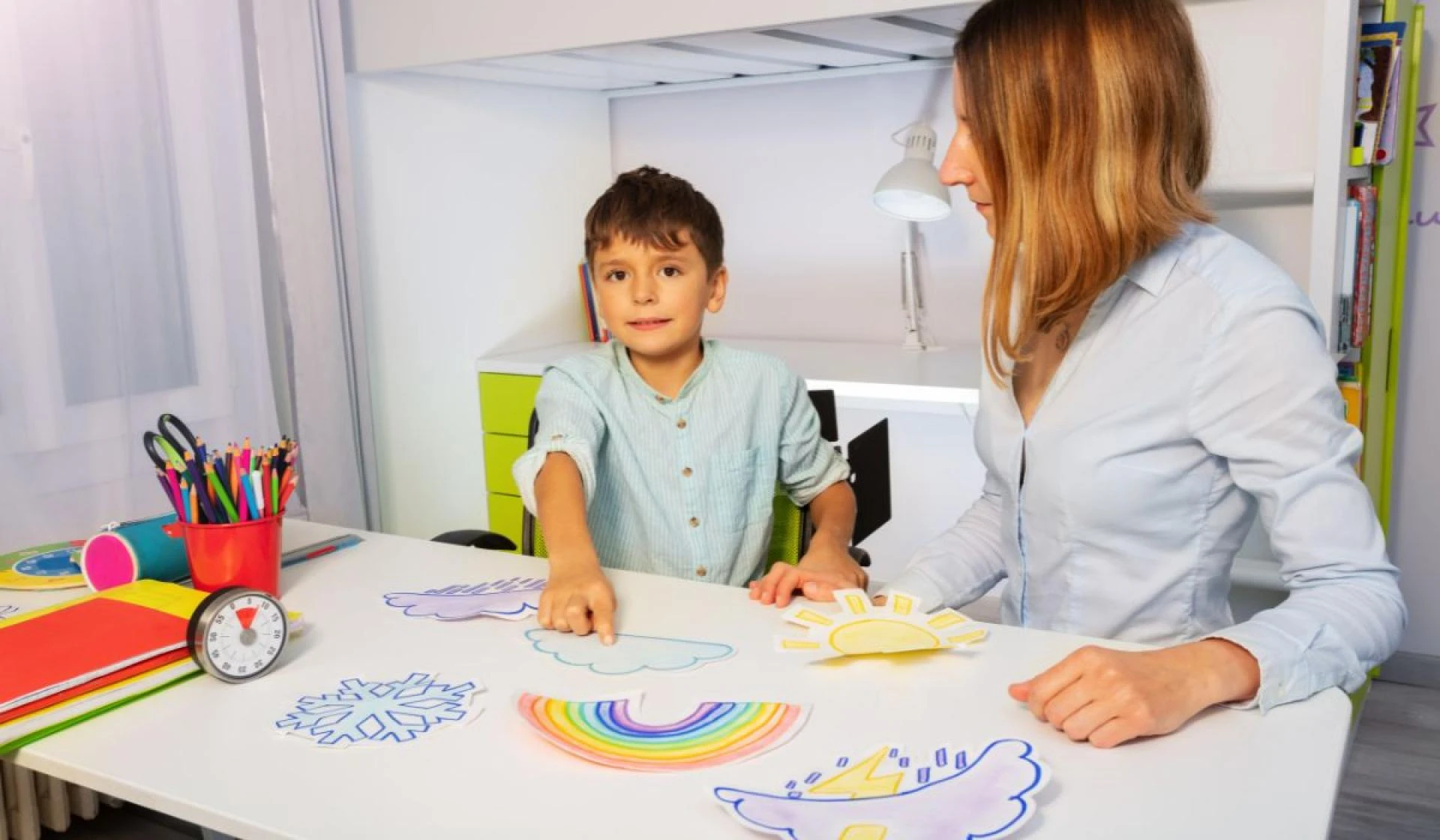
Collaborate on Strategies: Work together to develop and implement effective strategies to support the student's learning and social development. This might involve using visual aids, sensory tools, or specialized teaching methods.
Attend Workshops and Training: Both parents and teachers can benefit from attending workshops and training sessions related to autism education. These can provide valuable knowledge and resources.
Advocate for Your Child: Parents can advocate for their child's needs within the school system. They should be aware of their child's rights and collaborate with teachers to ensure those rights are upheld.
Challenges and Solutions
Parent-teacher collaboration isn't always seamless. Challenges may arise due to differences in perspectives, communication styles, or even logistical constraints. Here are some common challenges and potential solutions:
Lack of Time: Teachers often have limited time for in-depth discussions. To address this, establish regular but brief check-ins and maintain open lines of communication.
Differing Expectations: Parents and teachers may have different expectations for the student's progress. Clear goal-setting and frequent updates can help align expectations.
Communication Barriers: Sometimes, parents and teachers may struggle to effectively communicate due to language barriers or differences in communication styles. In such cases, consider involving a translator or mediator to facilitate discussions.
Resistance to Change: Resistance to new strategies or changes in the education plan can be a challenge. Encourage an open-minded approach and emphasize that collaboration benefits the student.
Conclusion
Parent-teacher collaboration is a cornerstone of success for autistic students. By working together, parents and teachers can create an educational environment that is supportive, consistent, and tailored to the unique needs of each student. This collaboration not only benefits the child's academic progress but also fosters their emotional well-being and social development. Ultimately, it's through the power of collaboration that we can unlock the full potential of autistic students, enabling them to thrive in their educational journey.











Sign in to leave a comment.