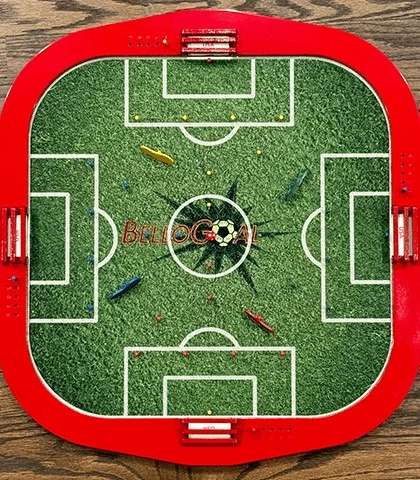

In today's fast-paced digital world, the human brain constantly juggles tasks, screens, and endless information. As attention spans shrink and stress rises, finding joyful and effective ways to support cognitive health becomes essential.
One surprisingly powerful and timeless tool has remained effective through generations: the humble board game.
These analog activities promote thinking, memory, and strategy in a way that's both nostalgic and neurologically beneficial. Long before apps and online learning, people played games not just for fun—but to stay sharp and socially connected.
Cognitive Workouts Hidden in Play
Board games are often underestimated as simple entertainment, but they can serve as serious brain boosters. Each move, memory recall, or strategy used activates different areas of the brain, offering a full cognitive workout.
Games like chess or Scrabble demand focus, recall, and creative problem-solving—critical skills at any age.
Sharpening Focus and Concentration
Concentration is a skill often dulled by constant digital notifications and multitasking. Board games require sustained attention, teaching players to block distractions and stay mentally engaged. With regular play, the ability to focus improves, benefiting other areas like work, study, and daily planning.
Emotional Intelligence and Social Skills
Many board games are social in nature, making them ideal for building emotional intelligence.
Taking turns, reading opponents' expressions, and practicing patience foster empathy and communication. These shared experiences also build confidence, social awareness, and teamwork in both children and adults.
Building Brain Health Across Ages
Whether you're 8 or 80, board games meet you where you are and offer age-appropriate challenges.
For kids, matching games strengthen visual memory and logical connections crucial for early development. For seniors, playing regularly helps retain mental sharpness and may slow cognitive decline associated with aging.
The Unique Benefits of Memory Enhancement Board Games
Some games are designed with memory specifically in mind, using repetition and recall to train the brain.
Memory enhancement board games challenge short-term and long-term memory through card matching, sequencing, or trivia. By incorporating regular mental repetition, these games help improve retention, focus, and cognitive flexibility.
Reducing Stress Through Engagement
Unlike screen time, which can often increase stress and overstimulation, board games offer calming structure. The tactile feel of game pieces and face-to-face interaction offer mindfulness and presence.
Reduced stress levels are directly linked to better memory, making regular gameplay a form of mental self-care.
Memory Challenges Disguised as Fun
Many people don’t even realize they are training their memory when immersed in a fun board game.
Games like “Simon,” “Clue,” or “Sequence” subtly demand recall of past moves, cards, or strategies.
This play-based learning helps develop memory and mental stamina without the pressure of traditional studying.
The Rise of Brain-Boosting Board Games
As interest in brain health grows, a new wave of games targets specific cognitive functions. Memory enhancement board games are becoming more sophisticated, incorporating psychology and neuroscience. From solo puzzles to multiplayer challenges, these games make brain training accessible and enjoyable.
A Family Bonding Tool That Teaches
Board games are an excellent way for families to unplug and connect while learning together. When children play games that require memory, parents can model strategies and encourage mental growth. These shared moments also reinforce emotional security and learning through play, not pressure.
Gamified Learning in Education
Teachers are using board games more frequently in classrooms to boost engagement and cognitive development. When games are woven into lessons, students don’t just memorize—they internalize concepts through repetition and application. Memory enhancement board games used in classrooms can improve attention span, memory recall, and logic skills.
A Brain-Friendly Alternative to Screens
While digital games exist, physical board games offer a screen-free way to boost brainpower.
They engage fine motor skills, require direct human interaction, and often promote more balanced mental stimulation. Balancing screen time with tangible games can improve mental clarity, focus, and emotional well-being.
Corporate Settings and Mental Agility
Even businesses are embracing board games in the workplace to spark innovation and collaboration.
Team-based memory games can enhance problem-solving and decision-making under pressure. Such activities also strengthen team dynamics while providing a break from routine, mentally fatiguing tasks.
Memory Enhancement Board Games in Therapy and Rehab
Cognitive therapy often incorporates games that challenge memory, sequencing, and logical thinking.
For patients recovering from brain injuries or strokes, memory-enhancement board games can aid in rehabilitation. They offer safe, engaging repetition to retrain cognitive pathways and measure recovery progress over time.
Building Routine for Cognitive Fitness
Adding structured board game time to your week can become part of a holistic brain health routine. Just as physical workouts benefit the body, regular mental workouts preserve and enhance brain power. Scheduling weekly game nights creates consistency, encouraging family bonding and cognitive growth together.
Choosing the Right Game for Your Brain
Different board games support different kinds of memory and thinking skills—choose wisely based on your goals. Matching games support visual memory, while logic games strengthen executive function and reasoning. Many memory enhancement board games are categorized by age or skill level, making it easy to find a perfect match.
Reversing the Clock on Mental Decline
Research shows regular mental stimulation can delay symptoms of memory loss or even mild cognitive impairment. Engaging in strategic play helps preserve neural connections and keeps problem-solving skills active. Memory enhancement board games offer a fun, accessible way to protect brain health without the feel of “work.”
Creating Community Through Games
Local libraries, community centers, and senior clubs are reintroducing board games as part of wellness initiatives.
These sessions provide social interaction, intellectual stimulation, and structured cognitive challenges.
The blend of fun, learning, and togetherness makes them a powerful tool for mental health and memory.
Conclusion: A Game-Changing Approach to Brain Health
Incorporating memory-enhancement board games into one's lifestyle offers a multifaceted approach to cognitive health. These games provide not only entertainment but also opportunities for mental stimulation, social interaction, and stress relief. By engaging in strategic gameplay, individuals can enhance their memory, sharpen their thinking skills, and promote overall mental well-being. Embracing the world of board games is a step toward a more active and healthy mind.












Sign in to leave a comment.