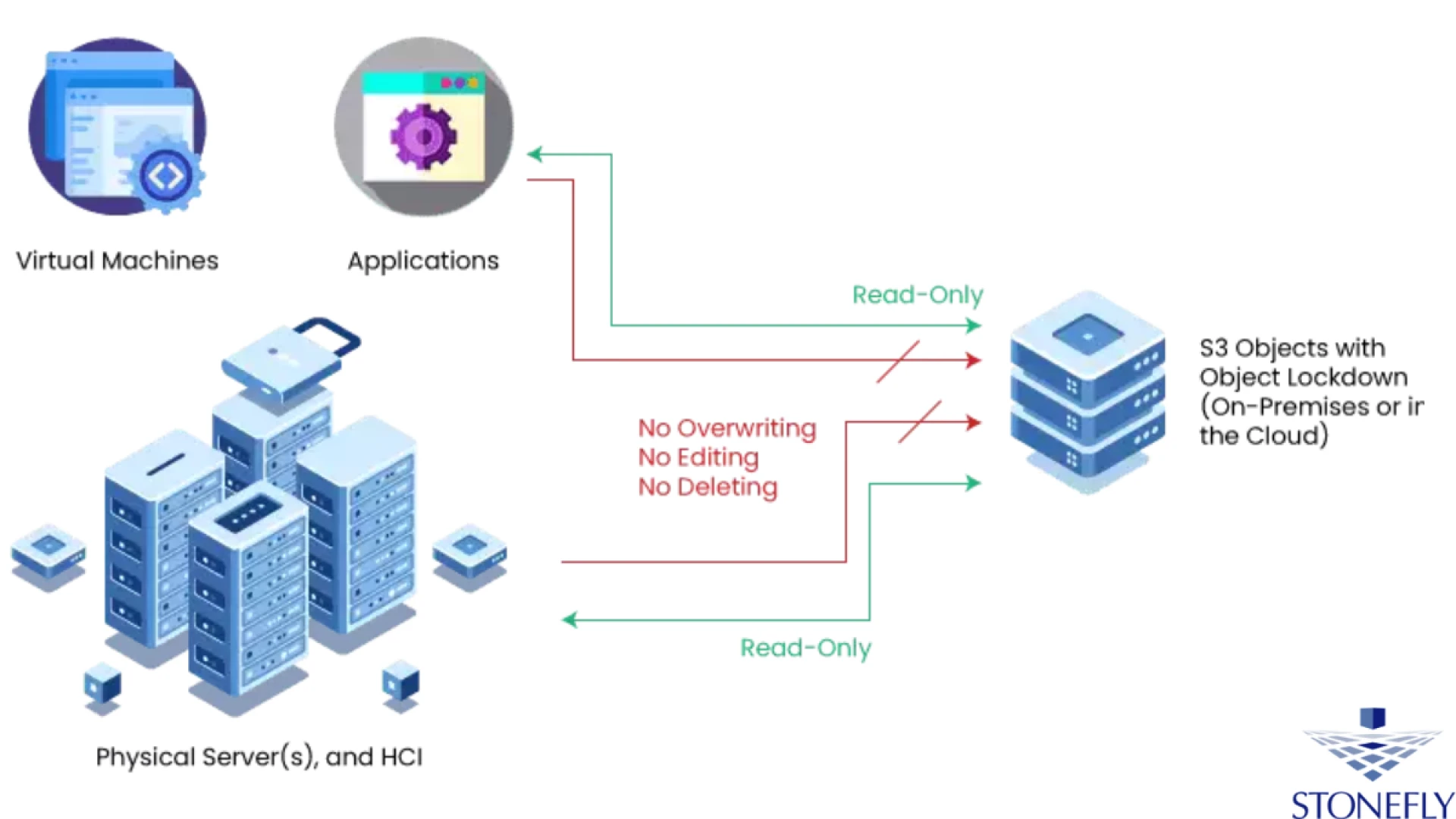

The Power of S3 Object Storage On-Premise: Unleashing Optimal Efficiency and Security
In the world of data storage, S3 Object Storage On-Premise represents a game-changing solution for businesses. This technology has transformed how we store, manage, and retrieve data, offering unmatched efficiency, scalability, and security. But what exactly is S3 object storage on-premise, and how does it benefit your business? Let's delve into this fascinating subject.
Understanding S3 Object Storage
S3 object storage allows for storing and retrieving any amount of Data at any time, from anywhere on the web. It is designed to make web-scale computing easier by providing a simple and user-friendly interface to store and retrieve any amount of data. But what if you could harness these benefits within your own data center? This is where on-premise S3 object storage comes into play.
What is S3 Object Storage On-Premise?
S3 object storage on-premise is essentially the deployment of the S3 object storage system in a private, on-premises environment. It combines the advantages of S3 object storage (scalability, flexibility, and API accessibility) with the control, security, and compliance offered by on-premise solutions.
Advantages of On-Premise S3 Object Storage
1. Increase Efficiency:
With on-premise S3 object storage, you can streamline your data management processes to reduce latency and cut down on the time it takes to access or transfer data.
2. Enhance Security:
You can control user permissions for accessing different types of data and set up encryption protocols to protect sensitive data.
3. Increase Scalability:
With the ability to add more storage nodes on demand, you can scale up your system as needed to meet changing business needs.
4. Improved Compliance:
You can ensure that all of your data complies with industry regulations and guidelines such as HIPAA or GDPR.
5. Lower Cost:
On-premise S3 object storage allows you to leverage existing infrastructure and hardware, reducing costs associated with setting up a cloud solution.
6. Consolidation:
You can use one system to store all of your data in one place, simplifying the management process.
7. Automation:
With the ability to automate processes such as replication, backup, and archival, you can improve efficiency and reduce errors.
8. Easy Integration:
You can easily integrate on-premise S3 object storage with other applications for improved functionality and usability.
9. Improved Performance:
By distributing data across multiple nodes, you can improve performance by eliminating bottlenecks caused by single points of failure.
10. Backup and Disaster Recovery:
You can set up automatic backup and disaster recovery processes to ensure the security of your data.
11. Offsite Storage:
On-premise S3 solutions allow you to store data offsite, protecting it from physical disasters such as floods or fires.
12. Access Control:
You can control who has access to what data, reducing the risk of unauthorized access or misuse.
13. Data Analytics:
With features such as searchable metadata and tag systems, on-premise S3 object storage makes it easier to analyze data for trends or insights.
14. Backup Verification:
With automated verification processes, you can ensure that your backup data is reliable and up to date.
15. Increased Reliability:
With features such as replication and redundancy, on-premise S3 object storage ensures the availability of data even if one node fails.
Disadvantages of S3 Object Storage On-Premise
1. Initial Setup Time:
Setting up an on-premise S3 object storage solution can take significant time depending on the size and complexity of your system.
2. Cost:
Although cost savings can be achieved compared to cloud solutions, there are still costs associated with hardware, maintenance, and energy consumption.
3. Maintenance:
Maintaining an on-premise system can require a dedicated team of IT personnel to ensure that everything is running smoothly.
4. Limited Features:
On-premise S3 object storage may not have access to certain features found in cloud versions such as automatic scaling or analytics tools.
5. Lack of Accessibility:
On-premise S3 object storage is typically limited to within the confines of a specific data center, meaning that users outside of the local network may not be able to access data stored in the system.
Best Practices for Using On-Premise S3 Object Storage
1. Choose the Right Hardware:
Take the time to research and compare hardware options in order to select the best system for your needs.
2. Develop an Effective Backup Strategy:
Develop a comprehensive backup strategy that includes both on-premise and offsite storage solutions.
3. Implement Security Measures:
Ensure that all data is encrypted, access is controlled, and authentication protocols are in place to protect against unauthorized access or misuse of data.
4. Monitor Performance Regularly:
Monitor performance metrics such as latency, throughput, and capacity utilization to ensure optimal performance at all times.
5. Utilize Automation Tools:
Take advantage of automation tools such as backup and disaster recovery processes to streamline operations and reduce the amount of manual work.
Conclusion
On-premise S3 object storage can provide a range of advantages for companies looking to store large amounts of data in an efficient, secure, and cost effective manner. By leveraging existing hardware, implementing security protocols, and taking advantage of features such as automated backup processes, businesses can ensure that their data is safe and accessible while still retaining control over it. With the right strategy in place, on-premise S3 object storage can offer unmatched scalability, performance, and efficiency for your business.
FAQs
1. What is S3 object storage on-premise?
S3 object storage on-premise is the deployment of the AWS S3 object storage system in a private, on-premises environment. It combines the advantages of S3 object storage (scalability, flexibility, and API accessibility) with the control, security, and compliance offered by on-premise solutions.
2. What are some advantages of using on-premise S3 object storage?
Some advantages include increased efficiency, enhanced security, improved scalability, increased compliance, lower costs, consolidation of data into one system for better management, automation capabilities for certain tasks such as backups and replication, easy integration with other applications or services, improved performance due to distribution of data across multiple nodes, backup and disaster recovery capabilities, access control for data security, and data analytics.
3. What are some best practices for using on-premise S3 object storage?
Some best practices include selecting the right hardware for your needs, developing an effective backup strategy that includes both on-premise and offsite solutions, implementing appropriate security protocols to protect data from unauthorized use or access, monitoring performance regularly to ensure optimal performance at all times, and utilizing automation tools such as backups and disaster recovery processes for streamlining operations and reducing manual work.
4. Are there any disadvantages of using on-premise S3 object storage?
Yes, some disadvantages include initial setup time (which can be longer depending on the size and complexity of your system), cost (although cost savings can be achieved compared to cloud solutions, there are still costs associated with hardware, maintenance, and energy consumption), maintenance which requires a dedicated IT team, limited features as compared to cloud versions, and lack of accessibility for users who are outside of the local network.
5. What is the conclusion about using on-premise S3 object storage?
The conclusion is that on-premise S3 object storage can provide a range of advantages for companies looking to store large amounts of data in an efficient, secure, and cost effective manner.









Sign in to leave a comment.