

The Psychology of Time Management in High-Stress Work Environments
By Anatoli Schwartz, Founder & Time Tracking Specialist, TimeClockExperts.com
In fast-paced industries—be it aviation, healthcare, finance, or emergency services—the margin for error is razor-thin. When every second counts, mastering time management isn’t just a “nice to have”—it’s mission-critical. Drawing on over 20 years of hands-on experience helping teams optimize attendance and productivity, this article explores the psychology behind effective time management under pressure, and why modern cloud-based time tracking tools like the uAttend BN6500N Wi-Fi Fingerprint Time Clock can make all the difference.

1. How Stress Alters Our Perception of Time
High-stress situations trigger our “fight or flight” response, flooding the brain with cortisol and adrenaline. Neuroscientific studies show these chemicals can distort time perception—moments feel either too brief or excruciatingly long—making it harder to gauge task duration accurately and plan effectively.
Key takeaway: Recognize when stress is skewing your internal clock. Pausing for even 30 seconds of deep, focused breathing can recalibrate your perception and improve decision-making under pressure.
2. Cognitive Load & Prioritization Under Pressure
In high-pressure roles, multitasking isn’t a badge of honor—it’s a productivity killer. Research from the American Psychological Association highlights that task-switching can reduce efficiency by up to 40%. Instead, employ:
- Time Blocking: Allocate fixed intervals (e.g., 15–30 minutes) to single tasks.
- “Eat That Frog”: Tackle the most challenging or high-impact task first each day.
- Micro-Breaks: Brief pauses (2–3 minutes) every hour to reset focus and prevent burnout.
3. Behavioral Strategies for Sustainable Productivity
Building mental resilience is as important as refining processes. Proven techniques include:
- Pomodoro Technique: Work in 25-minute sprints followed by 5-minute breaks.
- Visualization: Spend 60 seconds visualizing the successful completion of your most critical task.
- Accountability Partners: Pair up with a colleague for mutual check-ins on deadlines and goals.
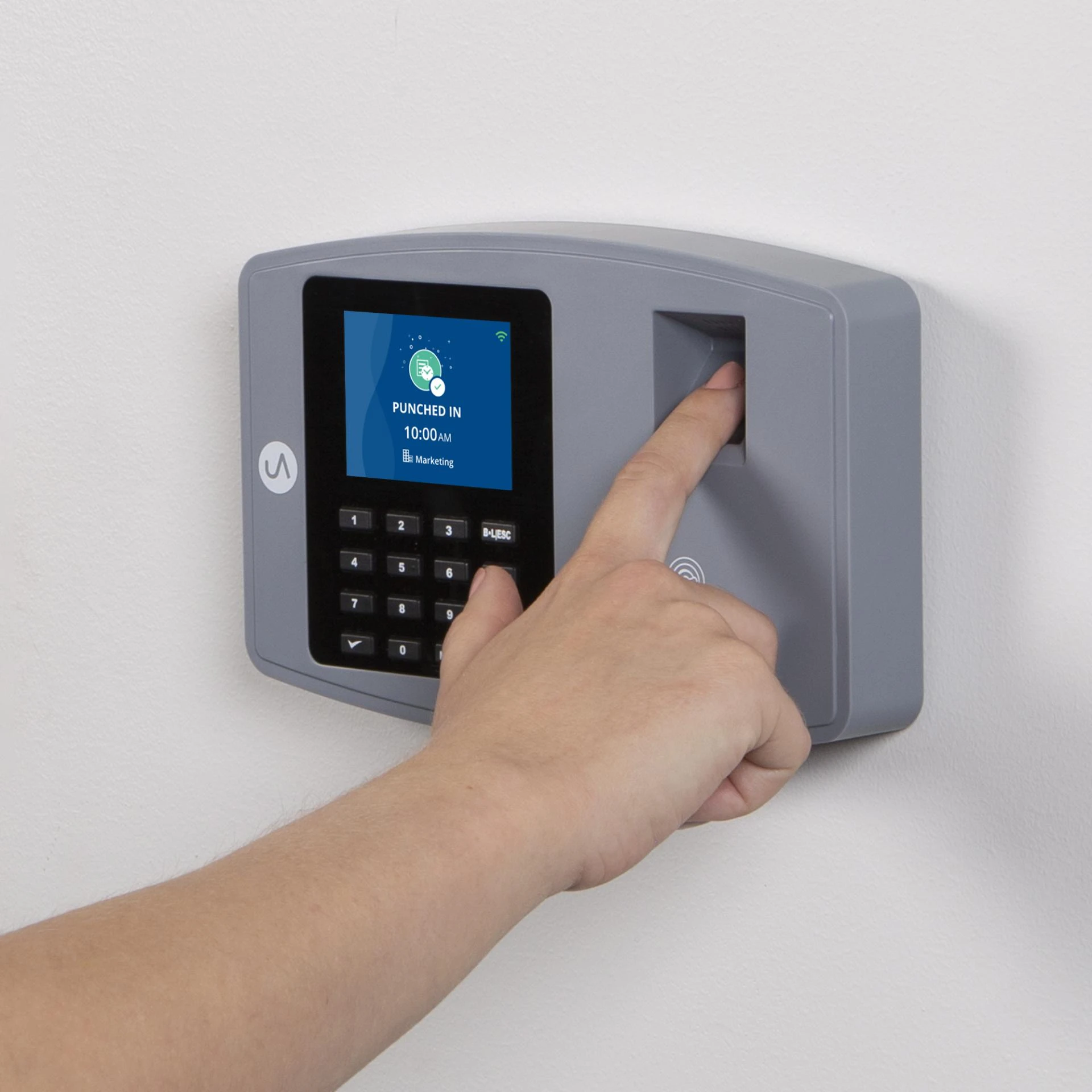
4. Leveraging Technology: From Manual Logs to Wi-Fi Fingerprint Time Clocks
Manual time logs and paper sheets have no place in a world where accuracy and speed determine outcomes. That’s why industry leaders are turning to cloud-based time tracking:
“Since integrating the uAttend BN6500N, our team’s on-time performance improved by 25%, and payroll errors dropped to zero.”
—Operations Manager, National Logistics Firm
The uAttend BN6500N Wi-Fi Fingerprint Time Clock features:
- Instant fingerprint authentication for zero “buddy punching”
- Real-time cloud sync—access attendance data from any device
- Automated alerts and customizable reorder reminders for consumables and recurring supplies
- Built-in analytics dashboard to spot trends, bottlenecks, and overtime risks
Explore the uAttend BN6500N and see how precision timekeeping fuels high-stress teams.
5. Cultivating Authority & Trust Through Data-Driven Accountability
When employees know their hours are tracked accurately and transparently, you build a foundation of trust—reducing disputes and fostering a culture of shared responsibility. As an expert in workforce management systems, I’ve coached dozens of organizations through seamless technology rollouts that emphasize:
- Clear Communication: Publish new timekeeping policies and workflows before launch.
- Hands-On Training: Host live demonstrations and Q&A sessions.
- 24/7 Support: Leverage lifetime operator assistance included with hosted solutions.
Conclusion: From Theory to Practice
Mastering the psychology of time under stress starts with small mindset shifts—pausing, prioritizing, and using behavioral techniques. But to truly lock in gains, you need reliable technology that enforces best practices and provides actionable insights.
Ready to upgrade from manual logs to an authoritative, cloud-driven system? Discover how the uAttend BN6500N Wi-Fi Fingerprint Time Clock can be your team’s secret weapon in high-stress environments.

About the Author: Anatoli Schwartz is the Founder and Time Tracking Specialist at TimeClockExperts.com, with over 20 years of experience helping businesses streamline attendance, boost productivity, and maintain compliance across global operations.












Sign in to leave a comment.