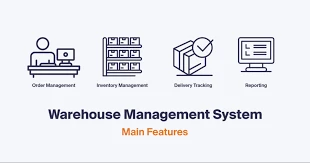

Modern warehousing faces constant pressure from rising order volumes and shorter delivery timelines. Distribution centers are dealing with complex inventory flow across many channels. Faster fulfillment is a given in retail and logistics. Customers expect precise deliveries within set time frames. We see structured digital systems which enable speed and accuracy at scale. A warehouse management system is what warehouses use to handle these growing operational demands.
Fulfillment time is a key factor in gaining customer trust and in operational stability. We see that delays cause great disappointment and also raise support costs. Also slow fulfillment puts extra strain on staff and increases inventory holding costs. Business continuity is tied to consistent flow of orders. A warehouse management system is at the center of what we expect from it. It enables better coordination, visibility and execution of warehouse processes.
Stakeholders in Warehouse and Fulfillment Operations
Warehouse and fulfillment operations involve multiple stakeholder groups. Business leaders focus on cost control, service levels, and scalability. They require visibility into throughput and performance trends. Operations managers handle daily planning, task allocation, and exception handling. They focus on meeting dispatch timelines and maintaining workflow balance.
Frontline teams execute picking, packing, and loading activities. Their priorities include clarity, safety, and manageable workloads. Fulfillment speed affects each group differently. Leaders track performance outcomes and customer impact. Managers manage bottlenecks and staffing adjustments. Frontline teams experience the physical impact of pace and volume.
Coordinated systems help align these priorities. A warehouse management system connects planning with execution. It ensures that decisions reflect real conditions. Fulfillment speed improves when all roles operate with shared information. Structured coordination reduces friction and delays across warehouse functions.
Fulfillment efficiency depends on coordinated processes, accurate data flow, and consistent execution across warehouse functions. Speed results from alignment rather than isolated effort. Structured systems support this alignment. They guide each stage of order fulfillment.
How WMS Boosts Order Fulfillment Efficiency
Order fulfillment efficiency depends on clear coordination across inventory, tasks, and workforce activities. Structured warehouse processes reduce delays and support predictable order movement. A warehouse management system strengthens this efficiency by aligning execution with real-time operational data.
Real-Time Inventory Visibility
Inventory visibility forms the foundation of fulfillment speed. Warehouses must know stock status at all times. Unclear inventory data causes picking delays and order holds. A warehouse management system provides accurate inventory updates across locations. Teams view available, reserved, and in-transit stock instantly.
Clear inventory status supports confident order commitments. Planners allocate stock without hesitation. Operations teams avoid last minute substitutions. Picking teams locate items without repeated searches. This clarity reduces wasted movement and idle time.
Accurate inventory visibility also supports demand planning. Teams identify fast moving and slow moving items. Replenishment decisions reflect actual usage patterns. Fulfillment speed improves when stock availability aligns with order demand. The warehouse management system ensures inventory accuracy across order cycles.
Efficient Picking and Packing
Picking and packing consume significant warehouse time. Unstructured workflows increase walking distance and errors. A warehouse management system organizes picking routes and task sequences. Workers follow optimized paths within storage zones. This structure reduces unnecessary movement.
Packing workflows also benefit from system guidance. Teams receive clear packing instructions for each order type. Consistent packing standards improve speed and quality. Workers prepare orders without hesitation or rework.
Efficient workflows support higher order volumes without strain. Teams complete more tasks within the same shift. Managers maintain consistent output across peak periods. Fulfillment speed improves through structured execution. The warehouse management system supports this consistency across order sizes.
Faster Order Processing
Order processing includes validation, release, and dispatch coordination. Manual handling slows this process significantly. A warehouse management system coordinates these steps automatically. Orders move through defined stages without manual intervention.
Teams receive tasks immediately after order confirmation. Picking begins without delay. Packing and labeling follow predefined rules. Dispatch teams prepare shipments on schedule. This coordination shortens order cycle time.
Faster processing reduces backlog during high demand periods. Orders flow steadily through the warehouse. Managers track progress through clear status indicators. Delays receive attention before escalation. The warehouse management system ensures continuous order movement from receipt to dispatch.
Improved Labor Productivity
Labor productivity influences fulfillment speed directly. Unclear tasks create confusion and fatigue. A warehouse management system assigns tasks based on priority and capacity. Workers receive clear instructions for each assignment.
Balanced workloads reduce burnout and errors. Teams maintain steady performance across shifts. Managers adjust staffing using real workload data. Productivity remains consistent during demand fluctuations.
Clear task visibility also improves training outcomes. New workers follow system guided workflows. Performance stabilizes faster across teams. Fulfillment speed benefits from predictable labor output. The warehouse management system supports workforce clarity and efficiency.
Error Reduction and Customer Satisfaction
Fulfillment errors slow operations and harm customer trust. Incorrect items lead to returns and reprocessing. A warehouse management system reduces errors through validation checks. Systems confirm item selection and order matching.
Accurate fulfillment improves delivery reliability. Customers receive correct items on time. Returns decrease across channels. Support teams handle fewer complaints.
Error reduction also improves warehouse morale. Teams avoid repetitive correction tasks. Productivity improves with fewer disruptions. Customer satisfaction strengthens through consistent delivery performance. The warehouse management system supports quality control at each fulfillment stage.
Conclusion
Order fulfillment speed depends on coordination, visibility, and execution accuracy. Warehouses face increasing complexity across volumes and channels. Structured systems provide stability and control. A warehouse management system supports efficient workflows and reliable outcomes. It connects inventory, labor, and order processes effectively.
Best practices include clear process definitions and regular performance monitoring. Teams should align system usage with fulfillment goals. Consistent execution supports predictable speed.
Warehouse operations will continue to evolve with customer expectations. The warehouse management system remains relevant through its role in sustained fulfillment efficiency.













Sign in to leave a comment.