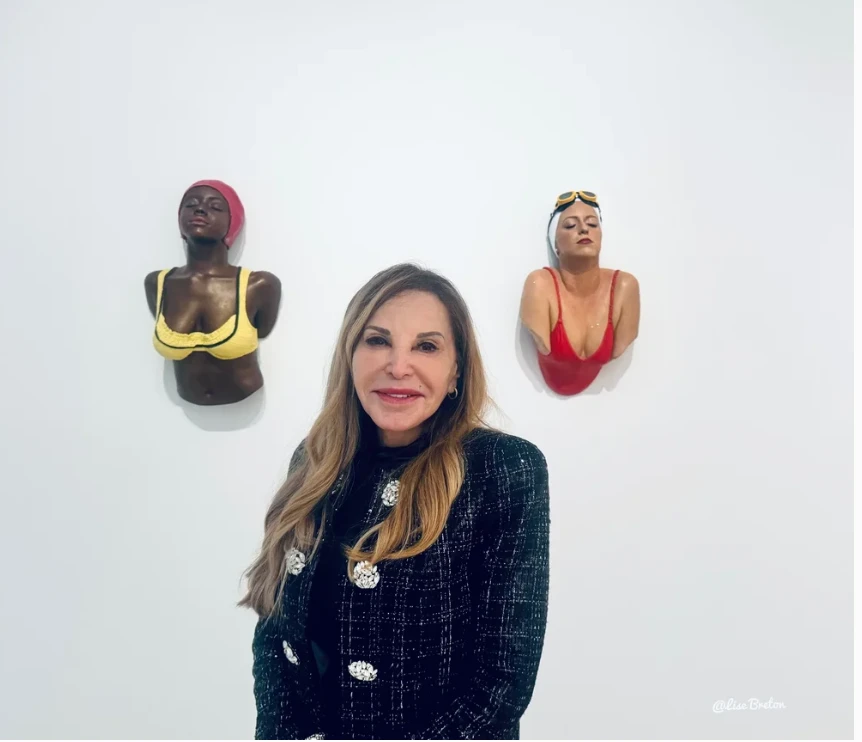

Sculpture has become a powerful tool for exploring identity today, to the point that the human form becomes a place where individual narratives, culture, and emotion converge. Instead of focusing only on form, artists today explore surface, symbolism, and presence as vehicles for layered messages.
This change is indicative of a wider shift within culture where individuality and collective human experience become centralized, which is how the Contemporary Art Movements are going.
Identity as a Central Theme
The issue of identity in the modern practice is no longer a marginal part of this process; it has become the basis of creativity. The idea of how people identify themselves based on memory, culture, and the experience of living is becoming a topic of interest among sculptors. Such a strategy enables sculpture to transcend its fixed depiction and develop as a dynamic projection of individual and group stories. In the Contemporary Art Movements, this concentration on identity has re-invented the nature of the audience relationship with art, such that there is an involvement of greater emotional and intellectual bonds.
The Body as a Stratified Narrative
A clear attribute of identity-based sculpture is the application of the human body as a stratified narrative site. In New Tattoo Works by Feuerman, the figure is no longer a physical form; it turns into a visual artwork of meaning. The image of tattoos is wisely incorporated into the surface, and there is a feeling of depth where several stories exist. Every line is part of a bigger conversation on identity to imply that the self is not singular but is made up of various experiences, influences, and moments of change.
Surface as Storytelling
In modern sculpture, surface is critical in getting across identity. Instead of acting as an ornament, it turns into the area within which meaning is created and unveiled. The combination of minute details on the surface, in Feuerman, makes the viewer gain more insight into the figure, to observe it and contemplate. Incorporation of the image as a tattoo also brings in visual language used to express individuality and connection, which will underline the fact that identity is highly personal and a highly relatable concept.
The Superrealism and Emotional Presence
The sculptures created by Feuerman are indicative of superrealism in which precision of technique is in aid of emotional and conceptual richness. The presence and connection are not the goal but rather the result of the lifelike quality of her figures. By being composed and treated to the surface, her work prompted viewers to consider small emotional indications. This equilibrium of the realistic and the expression results in the ability of each of the sculptures to speak on a greater level, thus following the changing priorities of the Contemporary Art Movements.
Intersections and Shared Experience of Culture
The art of identity can be in the place of the crossing of several cultures. Modern sculptors resort to a variety of traditions and views in order to make their works more faithful to the complexity of the modern identity. This interwoven nature is reflected in the sculptures of Feuerman, in which the figures are both personal and universal. Her work is addressing the world at large and still being very personal at the same time, as she incorporates various visual and cultural aspects.
Viewer Response and Interpretation
The fact that identity-oriented sculpture can be interpreted in many ways is one of the strongest points of this work. Instead of starting with a fixed narrative, such works encourage the attention of viewers to be active and bring their experience to this engagement. This interaction is the focus of Feuerman approach, which enables the meaning to be created during observation and reflection. The stratified surfaces and precision of the crafted forms provoke the spectators to look past the surface and imagine the underlying stories in each work.
A Modern Vision of Sculpture
The emergence of identity-based art also changed the meaning and purpose of sculpture in modern culture. It is no longer a representation, but a medium of experimenting with the intricate nature of the human experience. A good example of this change is Feuerman, New Tattoo Works; here, surface, form and symbolism all combine to form a visual language which is rich and compelling. Her output emphasizes the role of clarity, balance, and intent in creating meaningful works of art.
Conclusion
With the current development of modern sculpture, the problem of identity will still be a force behind the innovation of artworks. Artists are opening up possibilities of communication and connection through the sculptural piece through the adoption of multi-layered narratives and considerate surface detail. The work by Feuerman is a considerable contribution to this phenomenon, and it presents a fine examination of personal identity and collective experience. It is on the basis of this wider context that the significance of Identity in determining the future of art becomes clear, as well as the perennial existence of Bronze Figure Sculpture in New York.


Sign in to leave a comment.