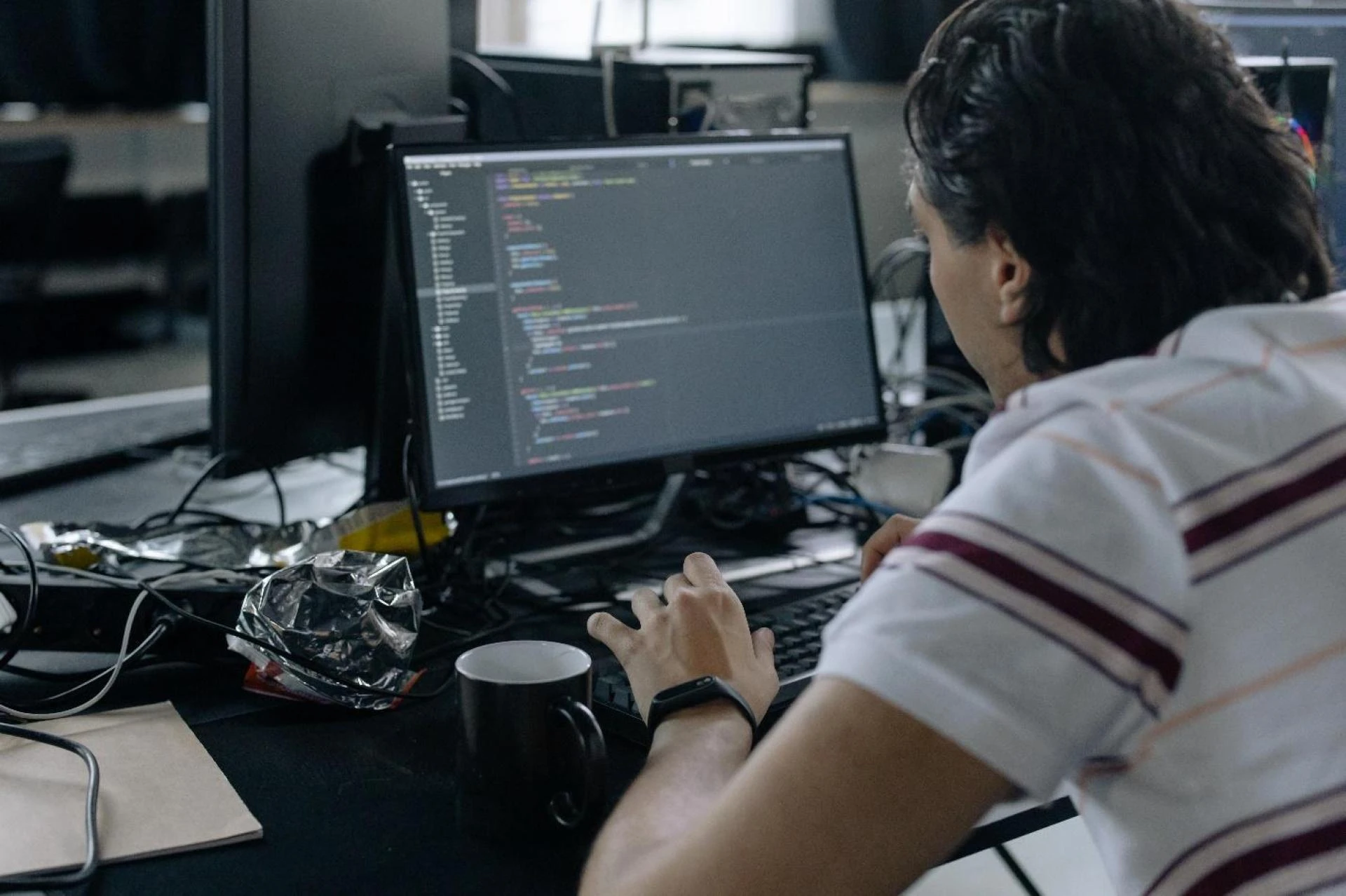

With the rise of no-code web development, the world of web design has undergone a significant transformation. This revolution has completely changed how designers and developers approach work and opened up a world of possibilities for those with little to no coding experience.
No-code web development refers to creating websites and web applications without writing a single line of code. Instead, designers and developers can use intuitive drag-and-drop interfaces and visual builders to bring their ideas to life. This has democratized web development, making it accessible to a wider range of individuals, enabling them to create professional websites without the need for extensive coding knowledge.
The Impact on Designers and Developers
The advent of no-code web development has profoundly impacted both designers and developers. Traditionally, designers would focus on creating visually appealing layouts and user interfaces, while developers would handle the coding required to bring those designs to life. However, with the emergence of no-code tools, the lines between these roles have started to blur.
A web design service now has the ability to directly translate its designs into functional websites without relying on developers to bring their vision to life. This allows for a faster and more iterative design process, as designers can make changes and see the results in real time. Additionally, designers can experiment with different design concepts and layouts, empowering them to push the boundaries of their creativity.
On the other hand, developers have had to adapt to this new landscape. With the rise of no-code web development, developers are no longer solely responsible for writing complex code. Instead, they have shifted their focus towards building custom features and integrations that enhance the functionality of the websites and applications created using no-code tools. This has allowed developers to leverage their technical expertise to create more advanced and unique solutions.
What Is No-Code Web Development?
No-code web development is a methodology that allows individuals to create websites and web applications without the need for traditional coding. Instead of writing lines of code, users can utilize visual interfaces and drag-and-drop builders to design and build their desired web experiences. This approach eliminates the need for deep technical knowledge, making web development accessible to a wider audience.
No-code web development platforms typically provide a range of pre-built templates, components, and widgets that users can easily customize to match their desired look and feel. These platforms often incorporate powerful design tools, such as WYSIWYG editors, that allow users to see their changes in real time. Additionally, many no-code platforms offer integrations with popular services and APIs, enabling users to add website functionality features with a few clicks.
Advantages of No-Code Web Development
No-code web development offers several advantages that have contributed to its growing popularity. Firstly, it significantly reduces the barrier to entry for individuals looking to create websites or web applications. Anyone with a creative spark can turn their ideas into reality without learning how to code. This democratization of web development has led to a surge in innovation as more diverse voices and perspectives enter the field.
Secondly, no-code web development enables rapid prototyping and iteration. A web designing company or developer can quickly create functional prototypes and test different ideas without extensive coding and deployment processes. This agility allows for faster feedback loops and ensures that the final product meets the needs of the end-users.
Thirdly, no-code web development empowers a web design service to have more control over the final product. They can directly implement their designs into a fully functional website, eliminating the need for interpretation by developers. This streamlines the design-to-development process and reduces potential miscommunication or discrepancies between the initial design and the final implementation.
Challenges Faced by Designers and Developers
While no-code web development offers numerous benefits, it also has its fair share of challenges. For a web design service, the main challenge lies in balancing creativity with the limitations of the chosen no-code platform. While these platforms offer a range of design customization options, they may not always provide the flexibility required to achieve highly unique or complex design concepts. Designers must find creative workarounds and adapt their designs to fit within the constraints of the chosen platform.
On the other hand, developers must navigate the shift in their roles and skill sets. With the rise of no-code web development, developers are expected to be more than just coders. They need to possess a deep understanding of the no-code tools and platforms available and be able to leverage them to create custom solutions. This requires developers to learn and adapt to new technologies and approaches continuously.
Furthermore, both designers and developers may face challenges in collaborating effectively. The traditional handoff between designers and developers, where a design is passed on to the development team for implementation, is no longer as straightforward. Instead, designers and developers must work collaboratively throughout the entire design and development process, ensuring that the visual design and functionality align seamlessly.
The Changing Roles in the Industry
The rise of no-code web development has led to a significant shift in the roles and responsibilities of designers and developers. A web designing company is no longer confined to creating static designs that a team of developers must translate into code. Instead, they have the ability to directly implement their designs using no-code tools, resulting in a more efficient and iterative design process.
On the other hand, developers have seen their roles expand beyond writing code. They are now responsible for building custom features and integrations that enhance the functionality of the websites and applications created using no-code tools. This requires developers to have a deep understanding of the chosen no-code platform and the ability to think creatively to create unique solutions.
In this new landscape, collaboration between designers and developers has become crucial. Both parties must work hand in hand to ensure that the visual design and functionality align seamlessly. This requires effective communication, a shared understanding of the project goals, and a willingness to adapt and iterate as needed.
Tools and Platforms for No-Code Web Development
There are several tools and platforms available that enable no-code web development. These platforms provide intuitive interfaces and drag-and-drop builders that allow individuals to create websites and web applications without writing code. Some popular examples include:
I. Webflow
Webflow is a powerful visual web design tool that allows a web design service to create responsive websites without coding. It offers a range of pre-built components and templates and a visual editor that gives full design control.
II. Bubble
Bubble is a no-code platform that enables users to build web applications and workflows visually. It offers a visual editor, a database, and a powerful plugin system that allows for custom functionality.
III. Adalo
Adalo is a no-code platform specifically designed for building mobile applications. It provides a drag-and-drop interface, a range of pre-built components, and integrations with popular services.
IV. WordPress
While not strictly a no-code platform, WordPress offers a range of visual builders and plugins that allow users to create websites without coding. It is popular for individuals looking for a more flexible and customizable option.
These are just a few examples of the many tools and platforms available for no-code web development. Each platform has its own unique features and strengths, so it's important to consider your specific needs and goals when choosing the right platform for your project.
How to Get Started with No-Code Web Development
If you're interested in getting started with no-code web development, there are several steps you can take to begin your journey:
I. Research and Explore
Take the time to research and explore the different no-code platforms and tools available. So, familiarize yourself with their features, strengths, and limitations to find the best platform.
II. Learn the Fundamentals
While no-code web development doesn't require extensive coding knowledge, it's still important to understand the fundamentals of web design and development. Familiarize yourself with user experience (UX), user interface (UI), and responsive design concepts.
III. Start Small
Begin by creating simple projects to familiarize yourself with the chosen no-code platform. So, experiment with different design concepts and layouts, and gradually work your way up to more complex projects as your skills and confidence grow.
Training and Resources for Designers and Developers
As the demand for no-code web development continues to grow, so does the availability of training and resources for designers and developers. Whether you're a beginner or an experienced professional, several options are available to help you enhance your skills and stay updated with the latest trends and developments.
I. Online Courses
Many online platforms offer courses specifically tailored to no-code web development. These courses cover various topics, from the basics of no-code development to advanced techniques and strategies.
II. Video Tutorials
Video tutorials provide a visual and interactive way to learn no-code web development. Platforms like YouTube and Vimeo offer a wealth of tutorials created by experienced designers and developers.
III. Documentation and Guides
Most no-code platforms provide comprehensive documentation and guides that cover the features and functionalities of their platform. These resources can be a valuable reference as you navigate the no-code web development process.
IV. Communities and Forums
Joining online communities and forums dedicated to no-code web development can provide you with a wealth of knowledge and support. These communities allow you to connect with other designers and developers, ask questions, and share your experiences.
Embracing the Revolution: The Future of No-Code Web Development
The rise of no-code web development has transformed the roles of designers and developers, democratizing web development and opening up new opportunities for individuals with little to no coding experience. As the demand for no-code solutions continues to grow, we expect to see even more advancements in the field.
Looking to the future, we anticipate no-code platforms becoming increasingly powerful and feature-rich. These platforms will likely incorporate more advanced design and development capabilities, allowing for even greater customization and flexibility. We can also expect to see a rise in specialized no-code tools and platforms catering to specific industries or niches.
For designers and developers, embracing the revolution of no-code web development means continuously learning and adapting to new technologies and approaches. It means pushing the boundaries of creativity and innovation and collaborating effectively to create exceptional web experiences. By embracing the power of no-code web development, designers and developers can shape the industry's future and create a more inclusive and accessible web for all.
Wrapping Up
No-code web development has revolutionized the way designers and developers approach their work. It has opened up a world of possibilities, allowing individuals with little to no coding experience to create professional-looking websites and web applications. While it presents its fair share of challenges, the benefits of no-code web development far outweigh the drawbacks. By embracing the revolution of no-code web development, designers and developers can tap into their creativity, collaborate effectively, and shape the web design industry.










Sign in to leave a comment.