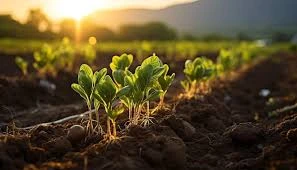
Organic farming is no longer just a buzzword in the world of agriculture it has emerged as a global movement driven by environmental concerns, health awareness, and the demand for sustainable food systems. In today’s article, we explore what organic farming truly means, how it works, and why more farmers and consumers are embracing it.
What Is Organic Farming?
Organic farming is a method of agriculture that avoids the use of synthetic chemicals, genetically modified organisms (GMOs), artificial fertilizers, and pesticides. Instead, it relies on natural inputs and ecological processes to grow food. This system promotes biodiversity, soil health, and long-term sustainability. At its core, organic farming respects nature's cycles. It prioritizes practices such as crop rotation, green manuring, composting, and biological pest control to maintain the health of the ecosystem.
Key Principles of Organic Agriculture
To understand organic farming deeply, it's essential to look at its guiding principles:
- Health: Organic farming enhances the health of soil, plants, animals, and humans by avoiding harmful chemicals and emphasizing natural growth.
- Ecology: It works with natural systems, promoting biodiversity and improving the resilience of the farm ecosystem.
- Fairness: Organic agriculture is rooted in social justice, ensuring fair treatment for farmers, workers, and animals.
- Care: It promotes caution in the use of techniques and technologies to avoid long-term environmental damage.
These principles form the foundation of organic farming and distinguish it from conventional farming systems.
Benefits of Organic Farming for Farmers
Organic agriculture isn't just better for the environment it also offers long-term economic and health benefits for farmers.
- Higher Profit Margins: Although yields may initially be lower, organic produce often commands premium prices in the market.
- Reduced Input Costs: Farmers save money by reducing dependency on expensive synthetic fertilizers and pesticides.
- Improved Soil Fertility: Through organic practices, the soil becomes more fertile and retains nutrients better over time.
- Farmer Health and Safety: By avoiding exposure to toxic chemicals, farmers enjoy a safer working environment.
Many small and medium-scale farmers are finding organic farming to be a viable, sustainable model that ensures food security and income stability.
Advantages for Consumers
The rise in demand for organic food products isn’t just a trend—it reflects a growing consumer awareness about health, food safety, and sustainability.
- Chemical-Free Food: Organic produce is free from harmful pesticides and chemical residues.
- Better Nutrition: Some studies suggest that organic foods may contain higher levels of antioxidants and certain nutrients.
- Improved Taste and Freshness: Naturally ripened crops often have better flavor and texture.
- Support for Ethical Farming: Buying organic means supporting farmers who care for the environment and animal welfare.
In essence, consumers are choosing organic not just for better health, but also for a better world.
How Organic Farming Helps the Environment
One of the biggest advantages of organic farming is its positive impact on the environment.
- Soil Health: Organic farming improves soil structure, promotes microbial activity, and reduces erosion.
- Water Conservation: With fewer chemicals entering the water table, organic systems help maintain water quality.
- Reduced Carbon Footprint: By avoiding fossil fuel-intensive inputs and embracing carbon-sequestering practices, organic farming contributes to climate change mitigation.
- Biodiversity Protection: Organic farms often act as sanctuaries for pollinators, birds, and beneficial insects.
By mimicking natural processes, organic farming sustains the ecosystem rather than depleting it.
Common Techniques in Organic Farming
To achieve its goals, organic farming employs a set of well-researched techniques:
- Crop Rotation: Alternating crops seasonally to improve soil nutrients and prevent pests.
- Organic Manures and Composting: Using farm waste and plant residues to enrich the soil naturally.
- Biological Pest Control: Introducing natural predators or plant-based repellents to manage pests.
- Mulching and Cover Cropping: Preventing weeds and enhancing moisture retention.
- Intercropping: Growing multiple crops together to maximize space and resources.
These methods not only improve productivity but also contribute to the sustainability of the agricultural system.
Challenges Faced by Organic Farmers
While organic farming holds promise, it is not without challenges.
- Transition Period: The shift from conventional to organic can take 2–3 years, during which yields may decline.
- Lack of Training and Awareness: Many farmers need guidance and support to adopt organic practices successfully.
- Certification Costs: Getting certified as an organic farm can be expensive and time-consuming.
- Limited Market Access: In some regions, farmers struggle to find buyers willing to pay a premium for organic produce.
However, with growing government support, technological innovations, and consumer awareness, these challenges are gradually being addressed.
The Global and Indian Perspective
Globally, countries like the USA, Germany, and Australia are leading in organic farming acreage. In India, states such as Sikkim, Uttarakhand, and Kerala have taken significant steps toward promoting chemical-free agriculture.
India's Paramparagat Krishi Vikas Yojana (PKVY) and National Programme for Organic Production (NPOP) are helping thousands of farmers transition to organic methods, offering training, certification assistance, and marketing support.
The future of organic farming in India looks bright, especially as climate challenges, soil degradation, and food safety concerns rise.
A Sustainable Way Forward
Organic farming is more than a cultivation method it's a lifestyle and a commitment to the planet’s future. As the world seeks sustainable, safe, and eco-friendly solutions, organic agriculture stands out as a path that nourishes both the earth and its people.
For farmers, it offers self-reliance and dignity. For consumers, it brings health and peace of mind. And for the environment, it ensures restoration and balance.
The time to go organic is now not just as a choice, but as a necessity.For more details visit Fasal Kranti.










Sign in to leave a comment.