
In the era of big data, the ability to quickly and effectively analyze information is critical for staying competitive. Self service analytics has emerged as a game-changing solution, empowering users to independently access, analyze, and visualize data without relying heavily on IT or data science teams.
What is Self Service Analytics?
Self service analytics refers to a set of tools and processes that enable non-technical users to explore and analyze data on their own. These tools are designed to be intuitive and user-friendly, allowing business professionals to create reports, dashboards, and visualizations without requiring advanced technical skills. By putting data analysis capabilities directly into the hands of users, self-service analytics democratizes access to data and fosters a culture of data-driven decision-making.
Benefits of Self Service Analytics
Increased Efficiency
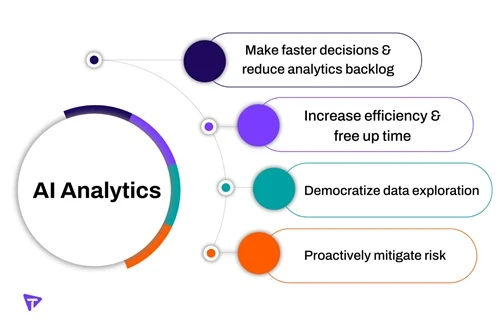
Traditional data analysis often involves lengthy processes where business users must request reports from IT or data teams, leading to delays and inefficiencies. Self service analytics eliminates this bottleneck by enabling users to access and analyze data instantly. This increased efficiency allows businesses to respond more quickly to market changes and make timely decisions.
Enhanced Decision-Making
By providing direct access to data, self service analytics empowers employees at all levels to make informed decisions. When users can explore data on their own, they are more likely to uncover insights that might be overlooked by centralized data teams. This decentralized approach to data analysis leads to more comprehensive and informed decision-making across the organization.
Cost Savings
Relying heavily on IT and data science teams for every data request can be costly and resource-intensive. Self service analytics reduces the burden on these teams, allowing them to focus on more complex and strategic tasks. This shift can lead to significant cost savings, as businesses can operate more efficiently and reduce the need for extensive data management resources.
Improved Data Literacy
Self service analytics tools are designed to be user-friendly, making it easier for non-technical users to engage with data. As employees become more comfortable using these tools, their data literacy improves. Enhanced data literacy across the organization means that more employees can contribute to data-driven initiatives, leading to a more agile and informed workforce.
Greater Flexibility
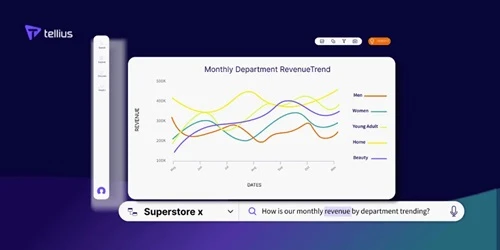
Business needs can change rapidly, and the ability to adapt quickly is essential. Self service analytics provides the flexibility to explore different data sets and perform various types of analyses without being constrained by predefined reports. Users can ask new questions and get answers in real-time, fostering a culture of continuous improvement and innovation.
Implementing Self Service Analytics
Implementing self service analytics involves several key steps:
Choose the Right Tools
Selecting the appropriate self service analytics tools is crucial for success. Look for platforms that are intuitive, scalable, and integrate well with existing data sources. Popular options include Tableau, Power BI, Qlik, and Looker. Evaluate the features, ease of use, and cost of each tool to determine the best fit for your organization.
Integrate Data Sources
For self-service analytics to be effective, it's essential to integrate all relevant data sources. This ensures that users have access to comprehensive and up-to-date information. Invest in robust data integration and management solutions to streamline this process and maintain data quality.
Provide Training and Support
While self-service analytics tools are designed to be user-friendly, providing training and ongoing support is crucial for maximizing their potential. Offer training sessions to help users understand how to use the tools effectively and provide resources such as tutorials, documentation, and a help desk for ongoing support.
Foster a Data-Driven Culture
Encouraging a data-driven culture is key to the successful adoption of self-service analytics. Promote the use of data in decision-making processes, celebrate successes, and highlight the value of data-driven insights. By fostering a culture that values data, you can ensure that self-service analytics becomes an integral part of your organization.
Self-service analytics is revolutionizing the way businesses access and analyze data. By empowering users with the tools they need to explore data independently, businesses can increase efficiency, enhance decision-making, save costs, improve data literacy, and gain greater flexibility. As organizations continue to embrace self-service analytics, they will be better equipped to navigate the complexities of the modern business landscape and stay ahead of the competition.









Sign in to leave a comment.