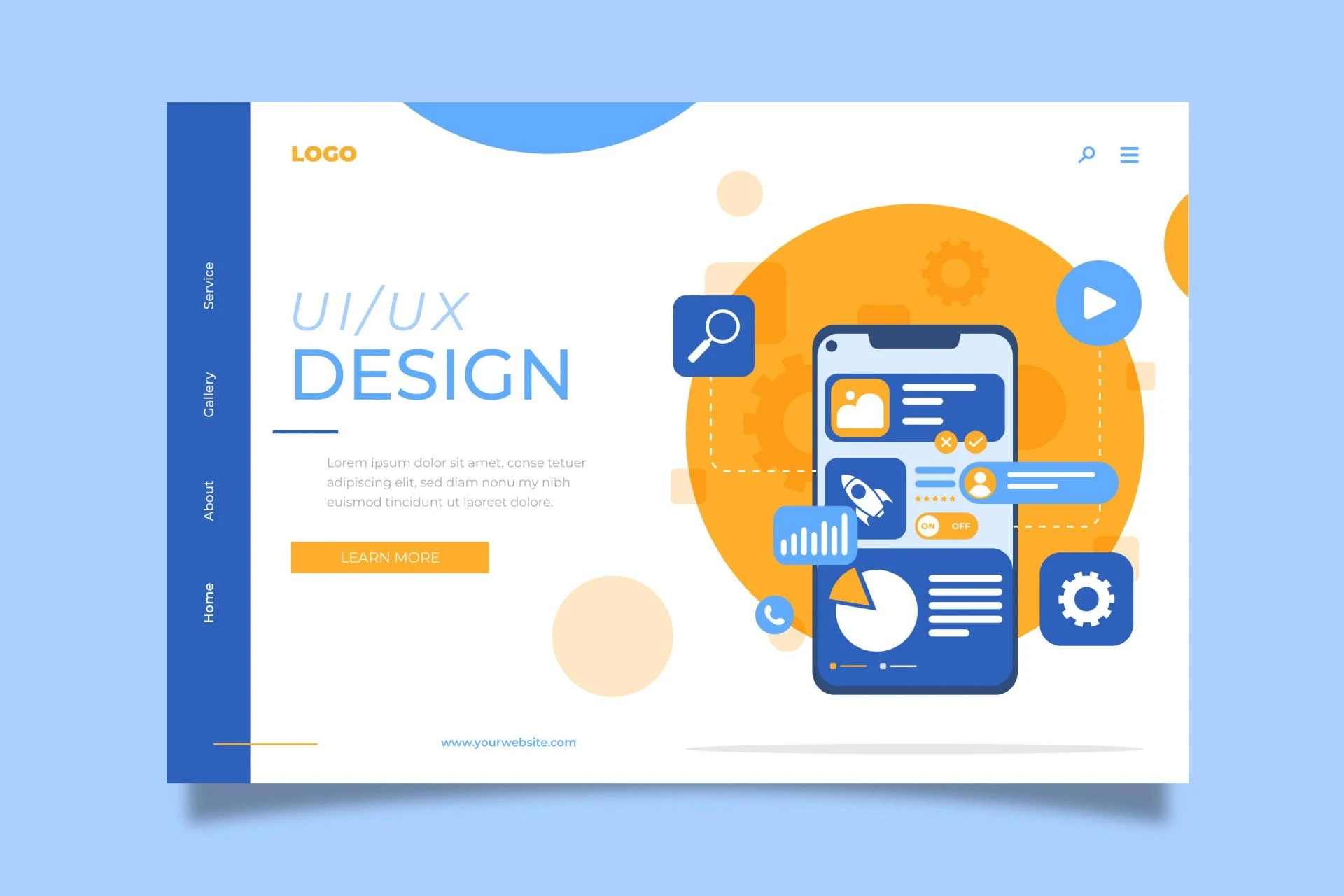

Where users are overwhelmed with endless app choices, creating a smooth and engaging user experience is more important than ever. While color schemes, typography, and layouts are essential elements of UI/UX design, animation has emerged as a powerful tool that elevates user experience to the next level.
Animation is no longer just an aesthetic addition; it is now a functional element that plays a significant role in enhancing usability, guiding users, and creating emotional connections. In this blog, we’ll dive deep into the role of animation in UX/UI app design and why it has become an essential part of modern digital products.
What is Animation in UI/UX Design?
In UI/UX design, animation refers to the motion-based elements used to enhance the interface and interaction of digital products like mobile apps and websites. It includes micro-interactions, transitions, loading indicators, button animations, hover effects, and more.
Unlike traditional animations used for entertainment, UI/UX animations are purpose-driven. They provide feedback, communicate status, guide the user, and make the experience feel more intuitive and engaging.
Why is Animation Important in App Design?
1. Enhances User Engagement
Animations create a dynamic interface that keeps users interested and engaged. For instance, playful button clicks, smooth page transitions, and interactive visual effects give users a feeling of control and satisfaction.
When designed well, animations create a sense of liveliness, making the app feel less mechanical and more human-like. This helps build a connection with users, increasing the chances they’ll return to the app.
2. Guides User Navigation
One of the most critical roles of animation in UX design is guiding users through the app. Animations help users understand where they are within the interface and what action just occurred or is expected next.
For example:
- Slide-in panels indicate new content.
- Bounce effects highlight important elements.
- Progress bars show the stage of a task.
Such animations reduce the cognitive load by making the flow natural and intuitive, especially for new users.
3. Provides Visual Feedback
Users need to know that the app is responding to their actions. Animations provide this feedback instantly. A button changes color or grows slightly when pressed, a tick mark appears when a form is submitted, or a loader spins while data is being fetched.
This kind of instant visual feedback reassures users that their interaction was successful and the system is processing their requests.
4. Improves User Flow and Transitions
Abrupt changes in an app’s interface can confuse or frustrate users. Smooth animated transitions make moving from one page or section to another feel natural. They help maintain continuity, so the user never feels lost.
For example, when opening a product detail page from a product list, zooming into the selected item instead of a hard switch creates a better flow and visual connection between screens.
5. Highlights Important Information
Animations are great for drawing attention to key information or actions. Subtle shaking of an incorrect input field, glowing CTA buttons, or pulsing notifications help users focus where you want them to.
These techniques increase user interaction with essential features, helping improve conversions and engagement.
6. Adds Personality and Emotional Connection
Animation adds personality to the app and makes interactions feel more human. Playful animations, fun micro-interactions, or mascot-like illustrations can evoke positive emotions, making the app memorable.
Apps like Duolingo, with its friendly owl animations, show how character-driven motion design creates emotional engagement, encouraging users to spend more time learning.
Types of Animations Used in UI/UX App Design
1. Micro-Interactions
Small animations that respond to user actions, such as:
- Liking a post
- Pull-to-refresh effects
- Animated switches or toggles
2. Loading Animations
Creative loaders that entertain users while content is being loaded, reducing perceived waiting time.
3. Transition Animations
Smooth screen changes, pop-up appearances, or element rearrangements that help users understand where they’re navigating.
4. Feedback Animations
Visual confirmations like a green checkmark, shaking for errors, or success messages that provide instant feedback.
5. Animated Illustrations
Adding motion to illustrations, icons, or graphics to make the interface more dynamic and fun.
Best Practices for Using Animation in App Design
While animation adds great value to UX/UI, it must be used wisely and purposefully. Here are some best practices:
Keep It Simple and Subtle
Over-the-top animations can distract or annoy users. The goal is to support usability, not overshadow it.
Ensure Performance Optimization
Heavy animations can slow down the app, especially on low-end devices. Optimize for performance to maintain a smooth experience.
Maintain Consistency
Animations should follow a consistent style, speed, and behavior throughout the app to avoid confusion.
Use Animation to Support UX
Every animation should have a purpose — to guide, inform, or delight — and not exist just for decoration.
Provide User Control
Avoid forced, long animations. Give users the option to skip or reduce motion if needed for accessibility.
The Future of Animation in UX/UI Design
With advancements in technology, animations are becoming smarter, more responsive, and more immersive. The rise of motion design, 3D animations, AR/VR interfaces, and AI-driven animations is shaping the future of digital experiences.
Moreover, accessibility guidelines are now focusing on motion preferences, ensuring animations serve all users, including those with motion sensitivity.
Conclusion
Animation is no longer a “nice-to-have” feature in app design; it’s a critical component of creating engaging, intuitive, and memorable user experiences. When used thoughtfully, animations guide users, provide feedback, simplify complex tasks, and build emotional connections.
For UI/UX designers, mastering the art of purposeful animation can set your app apart in a crowded market. It’s all about finding the right balance — subtle, functional, and delightful — to make every user interaction count.










Sign in to leave a comment.