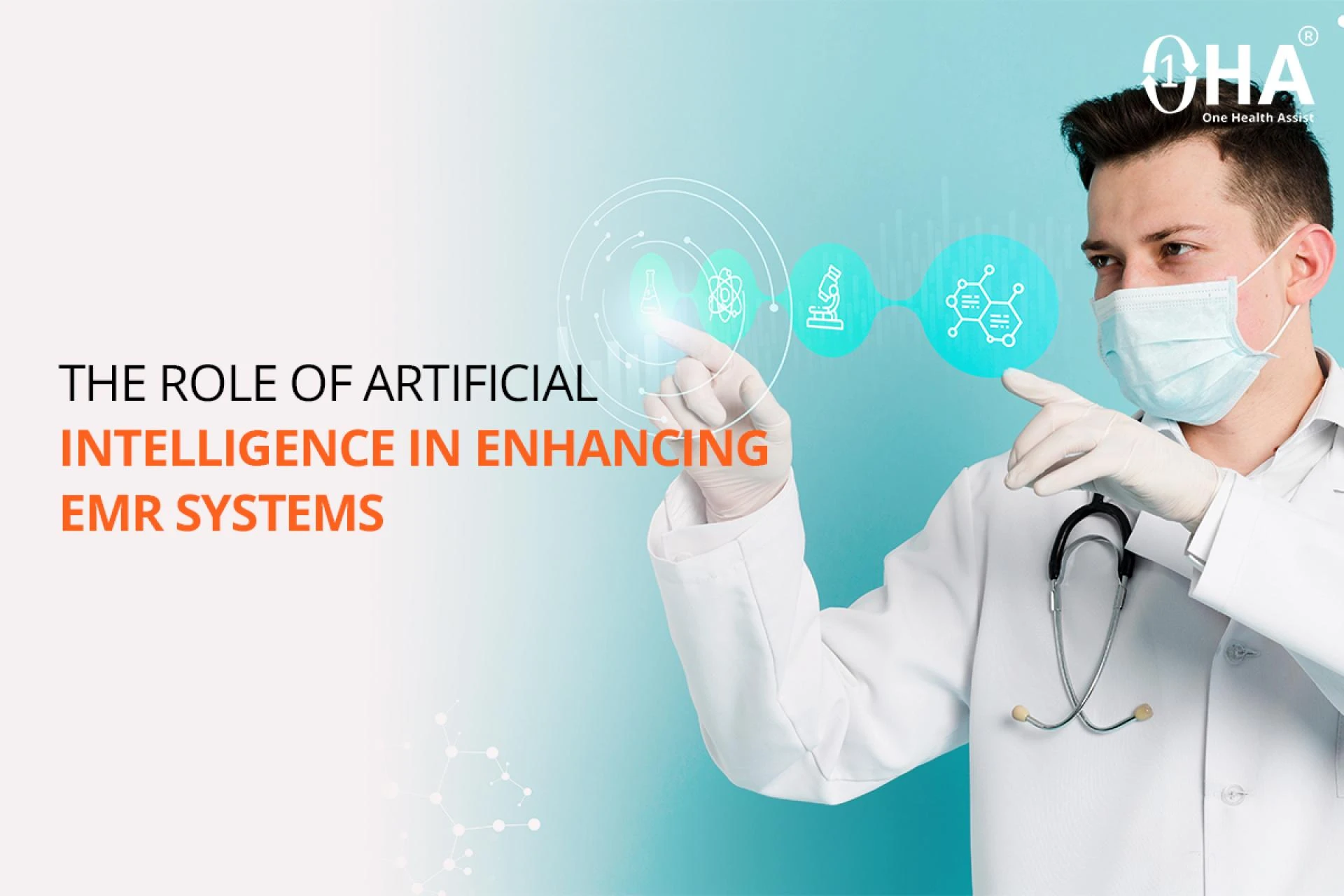

In today’s rapidly advancing healthcare landscape, Electronic Medical Records (EMRs) have become a cornerstone of patient care. These digital systems streamline record-keeping, improve access to critical patient data, and foster better communication between healthcare providers. However, as the volume of health data grows exponentially, the limitations of traditional EMR systems have become evident. Enter Artificial Intelligence (AI) – a game-changer poised to revolutionize the way EMRs operate and improve healthcare delivery.
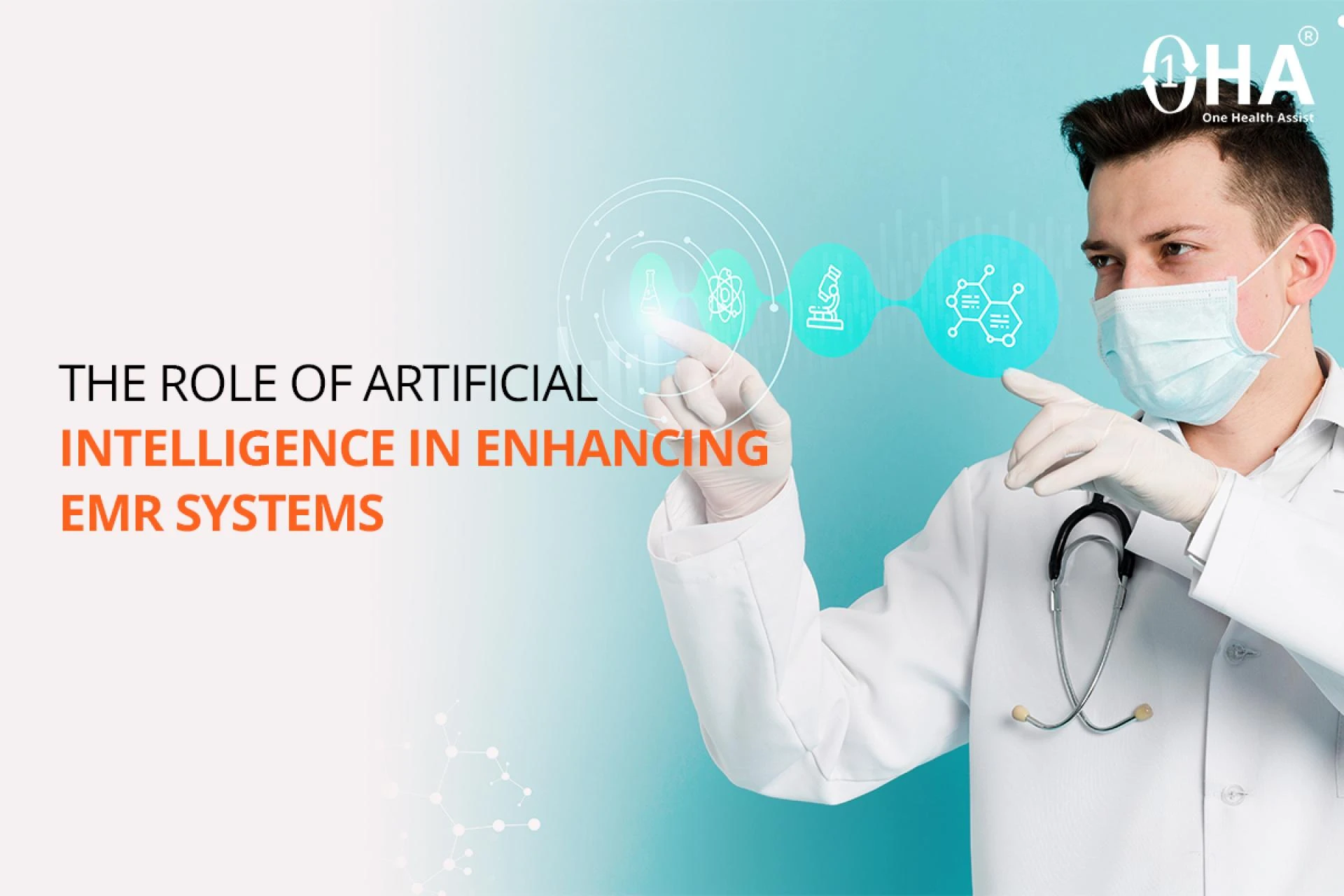
Transforming Data Management with AI
One of the most significant challenges in using Electronic Medical Records is managing the vast amount of data they generate. From lab results to diagnostic imaging, EMRs store an immense volume of patient information, which can overwhelm healthcare providers. Artificial Intelligence helps by automating data processing and offering insights that would otherwise require significant time and effort to uncover.
AI-powered algorithms can quickly analyze patient data to detect patterns, predict outcomes, and flag potential issues. For instance, predictive analytics can identify patients at risk of developing chronic conditions, enabling early intervention and personalized treatment plans. This not only enhances patient outcomes but also reduces healthcare costs.
Enhancing Clinical Decision-Making
Integrating AI into Electronic Medical Records empowers clinicians with decision-support tools. These tools leverage machine learning to analyze patient data in real-time, providing actionable recommendations based on historical trends and clinical guidelines. For example, AI can suggest medication adjustments for patients with chronic diseases or identify potential drug interactions that might otherwise go unnoticed.
Moreover, AI algorithms can analyze unstructured data, such as physician notes and imaging results, to extract meaningful insights. By turning complex data into easy-to-understand summaries, AI helps clinicians make informed decisions more efficiently.
Improving Workflow Efficiency
Administrative tasks are a notorious source of frustration for healthcare professionals. A significant portion of a physician's time is spent on documentation, data entry, and other non-clinical duties. Artificial Intelligence addresses these inefficiencies by automating repetitive tasks within EMR systems.
AI-powered voice recognition tools, for instance, can transcribe patient consultations in real time, reducing the need for manual data entry. Similarly, intelligent systems can automatically populate patient records with relevant information, ensuring accuracy while saving time. This streamlining of workflows allows healthcare providers to focus more on patient care and less on administrative burdens.
Enhancing Patient Engagement
AI integration in Electronic Medical Records isn’t just about helping clinicians; it also transforms the patient experience. AI-driven chatbots and virtual health assistants can interact with patients through EMR platforms, answering questions, scheduling appointments, and even providing medication reminders.
Additionally, predictive analytics can tailor patient outreach efforts. For example, AI can identify individuals due for routine screenings or follow-up visits and send personalized reminders. This proactive approach fosters better patient engagement and adherence to treatment plans.
Addressing Interoperability Challenges
Interoperability—the ability of different systems to exchange and interpret data—has long been a pain point for EMR systems. Many healthcare providers use disparate software platforms that struggle to communicate effectively. Artificial Intelligence offers innovative solutions to bridge these gaps.
AI algorithms can normalize data from various sources, ensuring compatibility and seamless integration across platforms. This unified view of patient data enables clinicians to access comprehensive medical histories, leading to more coordinated and effective care.
Strengthening Data Security
With the growing reliance on Electronic Medical Records, data security has become a top priority. AI plays a crucial role in safeguarding sensitive patient information. Advanced machine learning models can detect unusual activity within EMR systems, such as unauthorized access attempts or data breaches, and take preventive actions.
Moreover, AI enhances encryption techniques and ensures compliance with healthcare regulations like HIPAA. By fortifying security measures, AI helps maintain patient trust in digital healthcare systems.
Challenges and Considerations
While the potential of AI in EMR systems is immense, its implementation is not without challenges. Concerns around data privacy, algorithm bias, and the cost of deploying AI solutions need to be addressed. Additionally, healthcare providers must receive adequate training to effectively use AI-driven tools.
Collaboration between technology developers, healthcare professionals, and policymakers is essential to ensure that AI integration aligns with clinical needs and ethical standards. Overcoming these challenges will pave the way for a more efficient and patient-centric healthcare system.
The Future of AI in EMRs
The combination of Artificial Intelligence and Electronic Medical Records is reshaping the healthcare industry. From predictive analytics to workflow automation, AI has the potential to address many of the pain points associated with traditional EMR systems. As technology continues to evolve, we can expect even more innovative applications that further enhance patient care and streamline operations.
Healthcare providers who embrace AI-driven EMR systems will be better positioned to deliver high-quality care while staying ahead in an increasingly data-driven world. The future of healthcare is here, and it’s powered by the synergy of AI and Electronic Medical Records.
By optimizing workflows, empowering clinicians, and improving patient engagement, AI is not just enhancing EMR systems but transforming the entire healthcare experience. As we navigate this exciting era of innovation, the integration of Artificial Intelligence into Electronic Medical Records promises a smarter, more efficient, and patient-focused future.












Sign in to leave a comment.