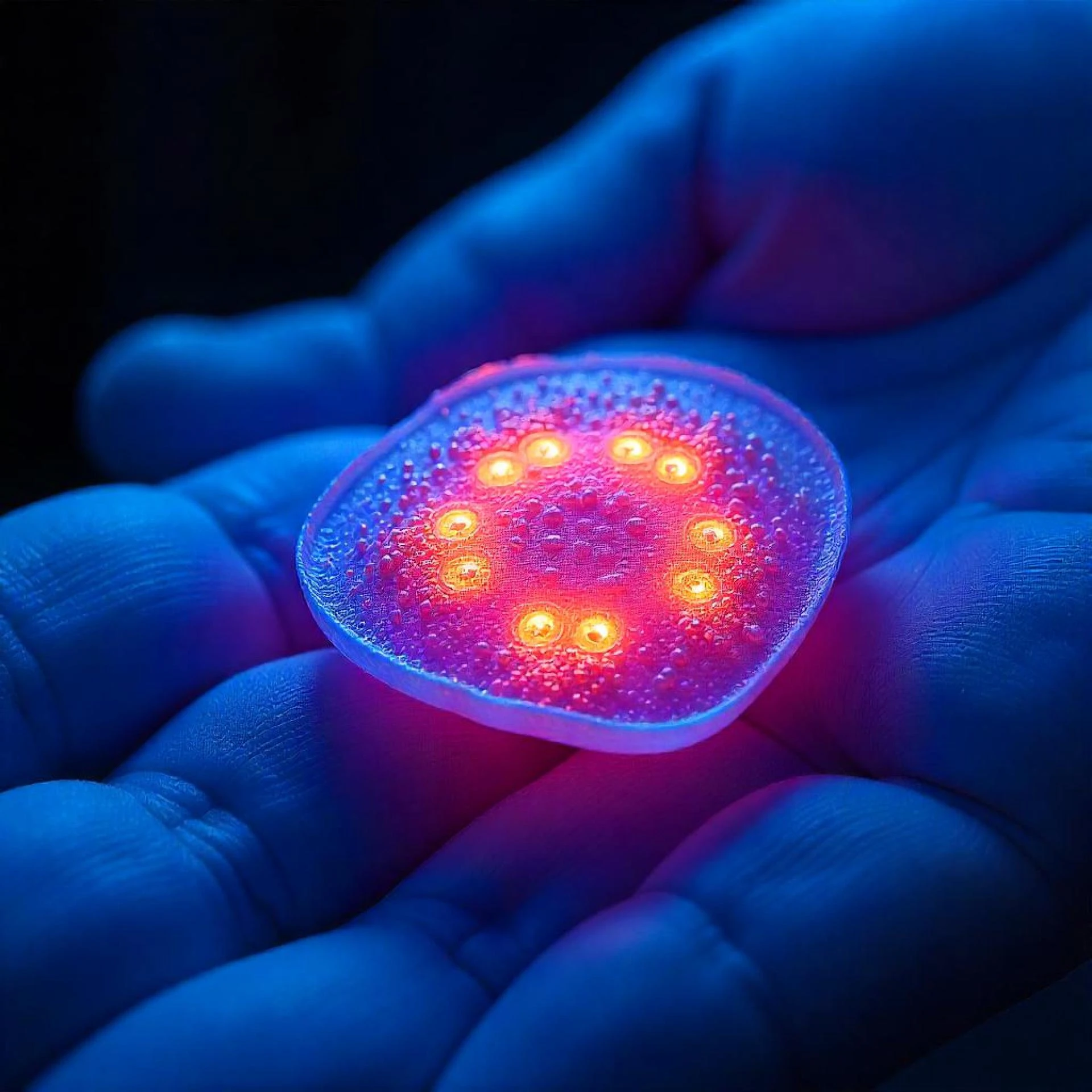

Wound healing is a complex biological process that requires the orchestration of cellular activity, tissue regeneration, and infection control. As medicine advances, clinicians are turning toward biologic therapies that can enhance this natural healing cycle. Among these, one of the most widely researched and utilized biologic tissues is the allograft amniotic membrane.
Derived from the innermost layer of the placenta, this biologic material is harvested ethically and processed to preserve its therapeutic properties. Rich in cytokines, growth factors, and extracellular matrix components, it offers a natural and bioactive platform for wound care. Its structure supports cellular adhesion and migration, encouraging the regeneration of skin and soft tissue in acute and chronic wounds alike.
One of its most valuable attributes is its ability to serve as a barrier over wounds. It helps retain moisture, protects the wound bed from external contamination, and supports tissue remodeling. These characteristics are particularly useful in treating non-healing wounds such as diabetic foot ulcers, venous leg ulcers, and pressure sores—conditions that can be stubborn and prone to complications without proper intervention.
In addition to its regenerative potential, the tissue demonstrates anti-inflammatory and antimicrobial effects, which help to minimize pain and reduce the risk of infection. Because of its biocompatibility and low immunogenicity, it is generally well tolerated by the patient, lowering the chances of adverse immune responses. These properties make it a preferred option over synthetic dressings or xenografts in many clinical scenarios.
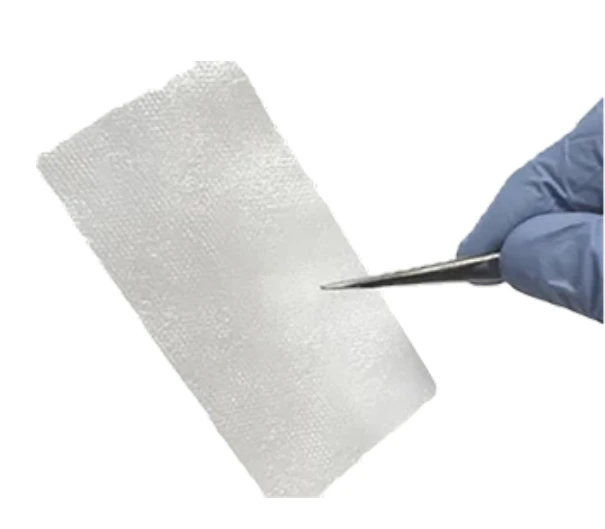
From a usability perspective, processed grafts are available in several forms, including dehydrated or cryopreserved sheets. This allows for convenient storage and easy application without extensive preparation. The membrane can conform to irregular wound geometries, enhancing coverage and effectiveness, especially in wounds located on curved or contoured body areas.
Its clinical applications go beyond traditional wound care. Surgeons in orthopedics, podiatry, ophthalmology, and plastic surgery utilize this material in soft tissue reconstruction and surgical site management. In ophthalmology, for instance, it has been successfully used in corneal surface reconstruction due to its ability to reduce inflammation and encourage epithelialization. Similarly, in plastic and reconstructive surgery, it supports grafting procedures and helps reduce postoperative scarring.
Scientific studies have shown improved outcomes when this biologic is incorporated into care plans. Reduced healing time, better tissue quality, and fewer complications are among the reported benefits. As more facilities adopt advanced wound care protocols, this tissue continues to be a cornerstone of regenerative treatment.
Healthcare providers are increasingly integrating biologically derived products into their protocols to address the growing burden of chronic wounds. With an emphasis on accelerating healing, minimizing discomfort, and improving patient outcomes, biologics represent a significant advancement in wound management strategies.
The expanding use of natural tissue grafts marks a shift in medical practice—one that leans into the body’s own capacity for healing, enhanced by science and innovation.











Sign in to leave a comment.