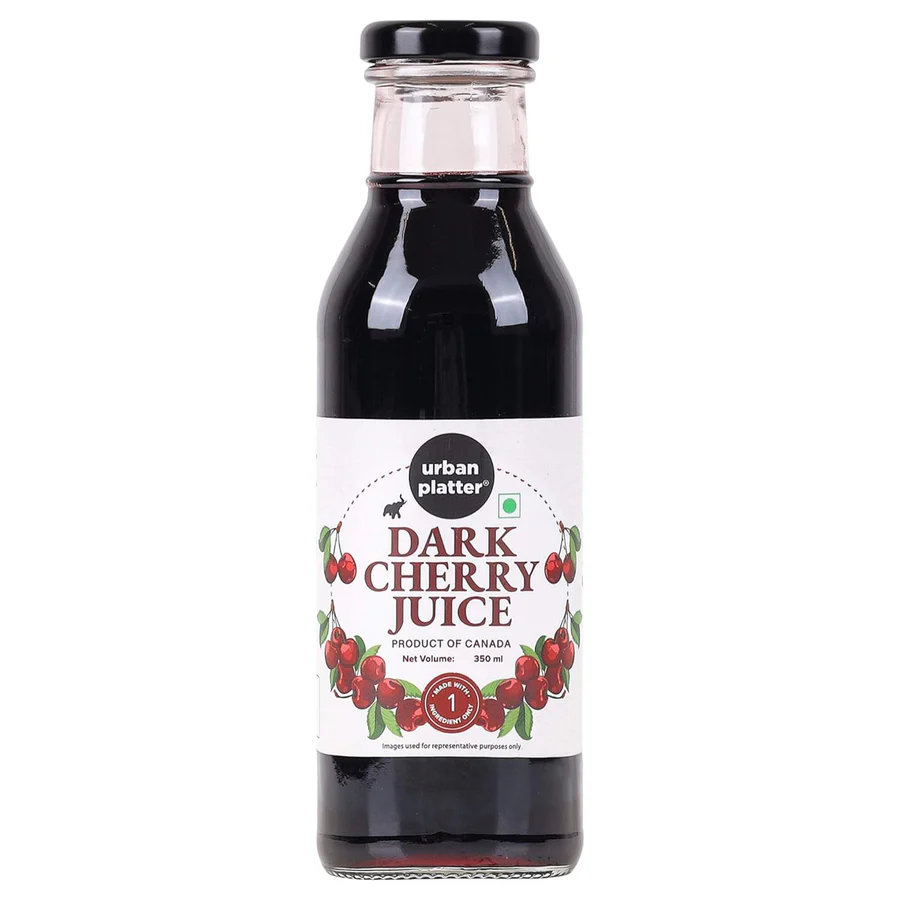

Athletes, fitness enthusiasts, and even people with active lifestyles often deal with muscle soreness and inflammation after physical activity. While rest and hydration are essential for recovery, nutrition also plays a major role. One natural remedy that has gained attention in recent years is cherry juice. Known for its rich antioxidant content and anti-inflammatory properties, cherry juice is becoming a popular addition to recovery routines.
Let’s explore how cherry juice may help reduce inflammation and muscle soreness, and why it’s valued as a natural recovery drink.
Why Inflammation and Muscle Soreness Happen
When you exercise, especially during intense or unfamiliar workouts, tiny tears form in your muscle fibers. This is a normal part of building strength, but it can lead to delayed onset muscle soreness (DOMS), stiffness, and inflammation. Inflammation is the body’s natural healing response, yet excessive inflammation can slow recovery and cause discomfort.
Nutrition that supports the body’s repair process can help reduce recovery time, and this is where cherry juice comes into focus.
What Makes Cherry Juice Special?
Cherry juice, especially from tart cherries, contains a high concentration of natural compounds called anthocyanins. These plant pigments give cherries their deep red color and act as powerful antioxidants.
Key beneficial compounds in cherry juice include:
- Anthocyanins
- Vitamin C
- Polyphenols
- Natural anti-inflammatory plant compounds
Together, these nutrients help the body manage oxidative stress and inflammation that occur after exercise.
Cherry Juice and Inflammation
Inflammation often increases after strenuous workouts due to muscle stress. The antioxidants in cherry juice help neutralize free radicals — unstable molecules that can damage cells and contribute to inflammation.
Anthocyanins in cherry juice are believed to support the body’s natural anti-inflammatory response. By helping regulate inflammation levels, cherry juice may reduce the feeling of stiffness and swelling after exercise. This makes it appealing not only for athletes but also for anyone who experiences joint or muscle discomfort from daily activities.
How Cherry Juice Helps With Muscle Soreness
Muscle soreness can make it hard to stay consistent with workouts. Many people turn to cherry juice as a natural way to ease post-exercise discomfort.
The potential benefits include:
- Reduced intensity of muscle soreness
- Faster recovery between workouts
- Less muscle tenderness after strenuous activity
Cherry juice works by supporting circulation and helping the body repair muscle tissue more efficiently. Its antioxidant properties may also reduce muscle damage caused by intense physical exertion.
Supports Recovery for Athletes and Active Individuals
Professional athletes and runners often include cherry juice in their recovery routines. After long training sessions or competitions, the body needs nutrients that support repair and reduce inflammation.
Drinking cherry juice before and after exercise may help:
- Support muscle recovery
- Maintain performance consistency
- Reduce downtime caused by soreness
While cherry juice is not a replacement for rest, hydration, or balanced nutrition, it can be a helpful addition to an overall recovery plan.
Benefits Beyond Exercise Recovery
The anti-inflammatory properties of cherry juice may also benefit people who experience everyday joint discomfort or stiffness from long hours of sitting, standing, or physical work.
Because inflammation is linked to many lifestyle-related discomforts, including general muscle fatigue, cherry juice offers a natural, food-based way to support overall wellness.
When and How to Drink Cherry Juice
To support recovery, timing and consistency matter. Many people consume cherry juice around their workout schedule.
Common ways to include cherry juice:
- A small glass before exercise
- A serving after workouts to aid recovery
- Mixed into smoothies with protein and fruits
Opting for unsweetened cherry juice ensures you get the benefits without unnecessary added sugars.
Cherry Juice and Sleep Support
Another interesting benefit linked to cherry juice is its natural melatonin content. Melatonin is a hormone that helps regulate sleep cycles. Good sleep is essential for muscle recovery and reducing inflammation.
By supporting better sleep quality, cherry juice may indirectly contribute to improved muscle repair and reduced soreness.
A Natural Alternative to Processed Recovery Drinks
Many sports recovery beverages contain artificial colors, flavors, and high amounts of sugar. Cherry juice offers a simpler, more natural alternative that delivers recovery-supporting nutrients straight from fruit.
Its naturally tangy flavor also makes it refreshing and easy to include in daily routines.
Things to Keep in Mind
While cherry juice can support recovery, it works best as part of a balanced lifestyle that includes:
- Adequate hydration
- Proper rest
- Balanced meals with protein and whole foods
Moderation is also important, as fruit juices contain natural sugars. A small daily serving is usually enough to enjoy its benefits.
Final Thoughts
The growing popularity of cherry juice in fitness and wellness circles is rooted in its natural anti-inflammatory and antioxidant properties. By helping the body manage inflammation and muscle stress, cherry juice may reduce soreness and support faster recovery after exercise.
Whether you’re an athlete, a weekend runner, or someone who simply wants to stay active without discomfort, cherry juice can be a flavorful and natural addition to your routine. Combined with proper rest and nutrition, it offers a gentle, food-based way to help your body recover and stay ready for the next challenge.














Sign in to leave a comment.