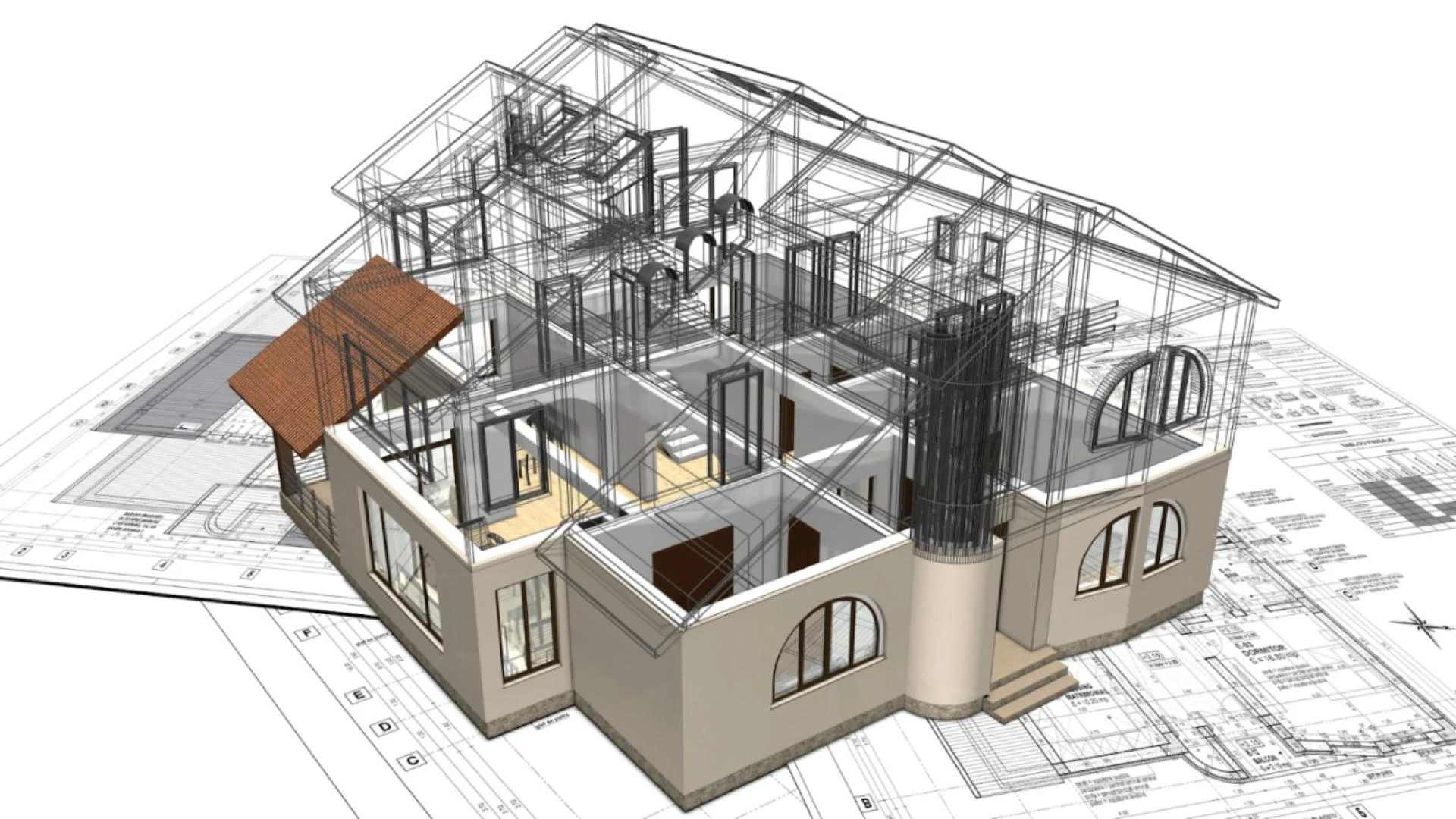

In the modern construction landscape, Design Development plays a vital role in transforming conceptual ideas into practical, buildable solutions. At this stage, firms like BIM Associates help bridge the gap between initial design concepts and detailed construction documentation. It ensures that architectural vision aligns with engineering feasibility, cost efficiency, and project goals.
Importance of design development in architecture and engineering projects
Design development is the phase where preliminary sketches evolve into coordinated and refined plans. Architects and engineers collaborate closely to define materials, systems, dimensions, and technical specifications. This stage reduces ambiguity and ensures all stakeholders are aligned before moving forward.
A well-executed process minimizes risks, avoids costly revisions, and enhances overall project efficiency. It also improves communication between teams, ensuring that design intent is preserved while meeting structural and regulatory requirements.
Key elements of design development in construction planning
- Detailed architectural layouts and floor plans
- Structural system finalization and load analysis
- Mechanical, electrical, and plumbing (MEP) integration
- Material selection and specification refinement
- Cost estimation and budget alignment
- Compliance with building codes and regulations
These components collectively ensure that the project is technically sound and ready for execution.
Benefits of effective design development for project success
An efficient design development phase offers numerous advantages for both architects and engineers. It enhances coordination across disciplines, reducing conflicts during construction. Additionally, it improves cost control by identifying potential issues early in the process.
When teams focus on Design Development, they can evaluate alternative solutions, optimize resources, and improve sustainability outcomes. This stage also allows stakeholders to visualize the final structure more clearly, leading to better decision-making and fewer delays.
Challenges in design development and how to overcome them
Despite its importance, design development comes with challenges that require careful management:
- Lack of coordination between architectural and engineering teams
- Frequent design changes impacting timelines and budgets
- Incomplete or unclear project requirements
- Difficulty in balancing aesthetics with functionality
To overcome these challenges, teams should adopt collaborative tools such as Building Information Modeling (BIM), conduct regular design reviews, and maintain clear communication channels. Early stakeholder involvement also plays a crucial role in avoiding misunderstandings and ensuring project alignment.
Role of advanced technologies in design development processes
Modern technology has significantly enhanced the design development phase. Tools like BIM, 3D modeling, and simulation software allow teams to visualize and test designs before construction begins. These technologies improve accuracy, reduce errors, and streamline workflows.
- 3D visualization for better design clarity
- Clash detection to identify conflicts between systems
- Real-time collaboration among project stakeholders
- Improved documentation and data management
Such innovations make it easier to manage complex projects and ensure high-quality outcomes.
Best practices for successful design development in projects
To maximize the effectiveness of design development, professionals should follow proven strategies:
- Establish clear project goals and requirements from the start
- Maintain consistent communication among all stakeholders
- Conduct regular design reviews and updates
- Use advanced tools for modeling and analysis
- Focus on sustainability and energy efficiency
Implementing these practices ensures smoother transitions from design to construction and minimizes unexpected issues.
Conclusion
In conclusion, Design Development is a critical phase that determines the success of architecture and engineering projects. It transforms creative ideas into practical solutions while ensuring technical accuracy and cost efficiency. By focusing on collaboration, innovation, and strategic planning, teams can deliver high-quality results and achieve project goals effectively.











Sign in to leave a comment.