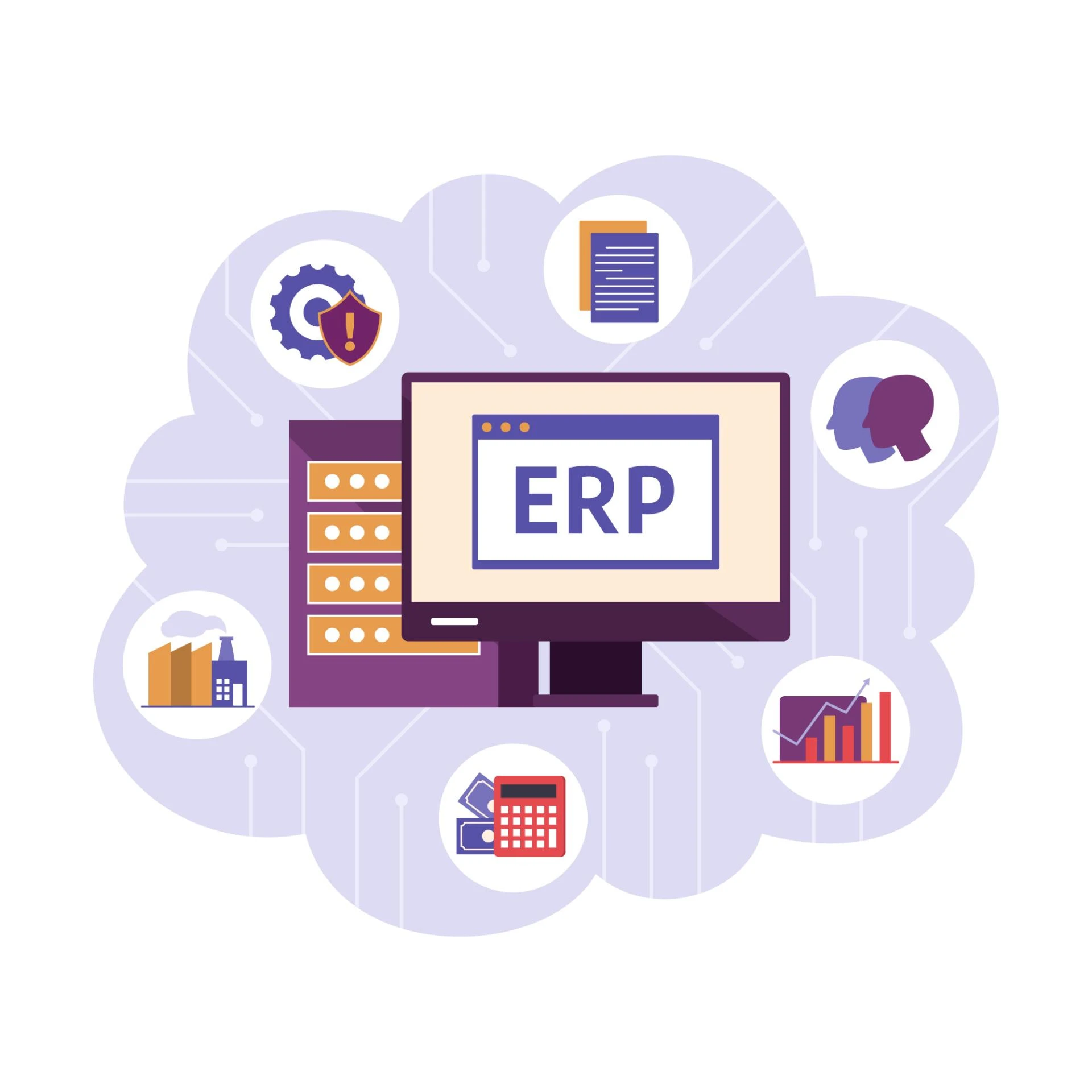
Vendors like ERPNext partners and Odoo ERP consultants help transform inventory management for small and medium businesses. The right ERP empowers organizations to overcome poor inventory management issues, such as stockouts, overstocking, and cash flow concerns.
These open-source solutions are more accessible to SMEs and startups and help streamline and improve inventory control. Most importantly, they are ideal for customization and adding tailored functionalities to align with business objectives.
Let’s discover how an ERP can help you enhance inventory management and run operations smoothly.
Inventory Management Challenges Faced by SMEs
Managing inventory becomes a hurdle for SMEs as they operate with limited resources and fragmented systems. Many businesses still rely on spreadsheets and disparate tools, leading to inefficient manual tracking and data errors.
Companies also lack real-time visibility, which results in inaccurate stock levels, frequent stockouts, or excess inventory. Additionally, managing inventory across locations becomes too complex without a centralized system.
The challenges don't stop here. Over-purchasing and stock obsolescence are common due to poor forecasting and reordering processes, which lock up valuable capital.
Moreover, SMEs with limited human resources struggle to consistently monitor, reconcile, and optimize inventory. This process impacts order fulfillment, cash flow, and operational agility.
ERP: An Integrated Inventory Management Solution
ERPs function as centralized platforms to unify business operations and allow SMEs to streamline inventory management. Businesses achieve coordination across departments when modules like procurement, warehousing, sales, and finance work in tandem.
Moreover, ERPs enable organizations to track inventory in real-time across locations for accurate visibility and faster decision-making.
ERPs send automatic updates after sales or purchase transactions, eliminating manual data entry and reducing errors. Many ERPs integrate with barcode and RFID scanning tools, making stock movement efficient and traceable.
Most importantly, a centralized system breaks down silos between inventory, finance, and operations, enabling SMEs to optimize stock levels, reduce waste, and respond to demand fluctuations.
ERP Features to Improve Inventory Management
Today, ERPs come loaded with features to allow SMEs to streamline and enhance inventory management:
● Stock level monitoring is used to set minimum and maximum thresholds and receive automated alerts for restocking.
● Batch and serial number tracking for traceability, which is critical for perishables, electronics, regulated goods, and similar industries.
● Multi-warehouse visibility provides a snapshot of inventory across different locations.
● Automated reordering proactively replenishes inventory based on historical usage patterns, supplier lead times, and safety stock rules.
● Inventory valuation methods using FIFO, LIFO, or weighted average based on business needs.
● Demand forecasting for smarter procurement using real-time sales trends.
● Inventory aging reports to identify slow-moving items and reduce overstocking and capital locked in unsold inventory.
ERPNext partners and other vendors can add more features, especially in open-source solutions, to meet your business’s unique needs.
Benefits of ERP Inventory Management
Below is a short glimpse of the benefits a business can gain by using an ERP to manage inventory:
Less Inventory Holding Costs
ERPs allow businesses to maintain optimum stock levels based on demand. They reduce excess inventory, minimizing warehousing, insurance, and spoilage costs.
The process frees up valuable working capital.
Fewer Stock Outs or Overstocking
Thanks to real-time tracking and automated reordering, shortages and surpluses are a thing of the past. SMEs can confidently process orders without unnecessary stockpiling.
Improved Supplier Coordination
Using vendor and procurement modules, businesses can manage lead times, track supplier performance, and schedule purchases. This lowers the risk of last-minute procurement and missed opportunities.
Faster Order Fulfillment
ERPs provide accurate stock visibility across channels, which translates to fast picking, packing, and shipping. Timely deliveries boost customer satisfaction, enhancing trust and retention.
Improved Cash Flow
Low inventory costs mean more liquidity is available for other operations. SMEs don’t need to invest unnecessary capital in unsold goods.
Data-Driven Decision Making
Thanks to historical sales data and seasonal trends, procurement decisions become accurate. Businesses can avoid dead stock and respond quickly to market demand.
Improved Compliance
ERPs ensure every transaction is recorded with a timestamp and user ID for greater transparency and traceability. This simplifies GST filings and facilitates accurate financial reporting.
Choose the Right ERP for Inventory Management
Selecting the right ERP is essential to optimize inventory management. Consider the following while making your selection:
● Ensure the ERP has features like batch tracking, reorder point automation, and intuitive reporting dashboards.
● The system must integrate with OS systems, e-commerce platforms, and logistics providers.
● ERPs with mobile accessibility provide real-time updates in fields and warehouse settings.
● Cloud-based systems are often more affordable, with low upfront investment and flexible subscription models.
● Prioritize scalability so that the system grows with your business. Look for a user-friendly solution so your employees can adapt quickly.
Work with Adept ERP Consultants
ERPs consolidate inventory operations and provide a centralized view of processes. They also streamline key workflows and automate repetitive tasks. Businesses can sell faster, smarter, and at lower costs. Customers are also happy with timely deliveries and excellent service.
Always work with an adept ERP consultant, whether an ERPNext partner, Odoo ERP consultant, or another vendor. Partner with Contetra, a leading group of ERP consultants, to choose the right ERP and ensure a smooth implementation. Give us a call now to schedule your appointment.













Sign in to leave a comment.