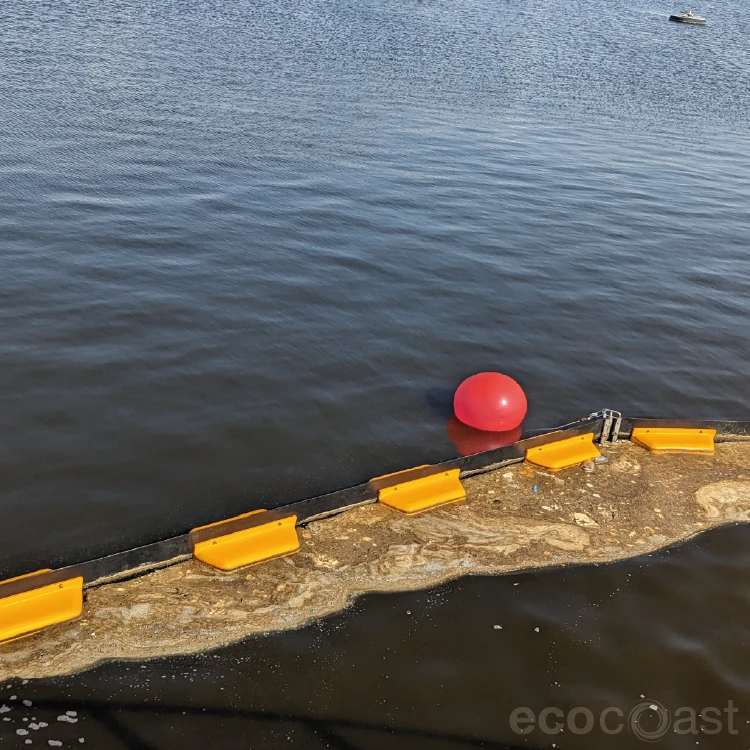

Oil spills are among the most significant environmental threats to marine life, ecosystems, and coastal regions. They can cause long-lasting damage, contaminating waters, harming wildlife, and disrupting local economies.
One of the most effective tools for oil spill protection is the oil spill containment boom. These barriers play a crucial role in controlling and mitigating the damage caused by oil spills in water bodies.
What Are Oil Spill Barriers?
Oil spill barriers, commonly known as oil spill booms, are floating devices designed to contain and control oil spills in oceans, rivers, lakes, and harbours. These barriers act as fences on the water’s surface, preventing the oil from spreading further. Typically made from plastic, metal, or other durable materials, oil spill containment booms are built to withstand different water conditions, making them essential marine safety solutions.
There are various types of oil spill booms, each suited to different water environments:
- Calm Water Booms – Used in lakes and slow-moving rivers where water currents are minimal.
- Harbour Booms – Designed for enclosed areas such as ports and marinas.
- Offshore Booms – Built to withstand rough waves and strong currents in open waters.
How Oil Spill Barriers Protect Coastal Ecosystems
There are many ways in which these barriers protect our coastal ecosystem:
- Preventing Oil Spread
Oil spill booms contain spills, preventing oil from spreading and making cleanup more efficient. Since oil disperses quickly, a well-placed boom keeps it confined for easier removal.
2.Protecting Marine Life and Habitats
Coastal ecosystems like beaches, marshlands, and coral reefs are highly sensitive to oil contamination. Containment booms block oil from reaching these areas, safeguarding marine life and biodiversity.
3.Minimising Cleanup Costs
Early containment reduces cleanup time, labour, and costs. Without barriers, oil spreads over vast areas, complicating removal efforts and increasing expenses.
4.Enhancing Response Efficiency
Oil spill booms are quick to deploy and adaptable to different environments, allowing responders to act swiftly before spills escalate.
5.Supporting Coastal Sustainability
By preventing large-scale damage, oil spill barriers help maintain water quality, protect fisheries, and sustain tourism-dependent economies.
Conclusion
Oil spills pose a serious threat to marine environments, but with the right response measures, their impact can be minimised. Oil spill booms serve as the first line of defence in oil spill protection, playing a vital role in marine safety solutions. By containing spills early, these barriers help protect ecosystems, reduce cleanup efforts, and support long-term environmental sustainability.















Sign in to leave a comment.