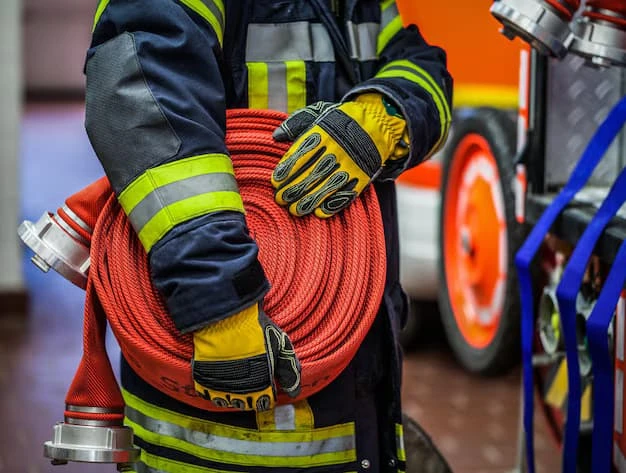

Fire safety is a critical aspect of building management and workplace safety. Among the various strategies employed to ensure comprehensive fire protection, passive fire measures play a vital role. Unlike active fire systems that require human or automated intervention, passive fire systems are built into the structure of a building to prevent the spread of fire and smoke. Conducting passive fire survey is essential to maintaining compliance with fire safety regulations, protecting occupants, and minimizing property damage. This article explores the importance, process, and benefits of passive fire surveys in detail.
Understanding Passive Fire Protection
What Is Passive Fire Protection?
Passive fire protection refers to the components and systems integrated into a building’s structure designed to contain or slow the spread of fire. These elements do not require activation to function; they are inherently built into the architecture. Examples include fire-resistant walls, floors, doors, firestopping, and compartmentalization barriers. Passive fire protection works by:
- Containing fire within a specific area.
- Preventing smoke from spreading to escape routes.
- Providing additional time for occupants to evacuate safely.
Difference Between Passive and Active Fire Protection
It is important to distinguish passive fire protection from active fire protection. Active systems, such as sprinklers, alarms, and fire extinguishers, require activation during an emergency. In contrast, passive systems are always operational, relying on materials and structural design to manage fire risks. The combination of both passive and active measures creates a holistic approach to fire safety.
The Purpose of a Passive Fire Survey
Ensuring Regulatory Compliance
One of the primary purposes of a passive fire survey is to ensure that a building complies with relevant fire safety regulations and standards. Building codes and fire safety legislation often specify the required level of passive fire protection in different types of buildings. Non-compliance can lead to legal penalties, fines, or even closure of premises. A survey identifies areas where the structure may not meet these standards, allowing for timely remedial action.
Identifying Vulnerabilities
Buildings can deteriorate over time, and structural changes can compromise the effectiveness of passive fire systems. Passive fire surveys help identify vulnerabilities, such as:
- Gaps in firestopping around service penetrations.
- Damaged or improperly installed fire doors.
- Inadequate compartmentation between floors or sections.
- Missing or degraded fire-resistant materials.
Identifying these weaknesses early is essential to maintaining a safe environment.
Supporting Risk Management
A passive fire survey contributes to a broader risk management strategy. By assessing the effectiveness of fire-resistant barriers and compartmentalization, building managers can better understand potential fire hazards and plan appropriate mitigation measures. This proactive approach reduces the likelihood of significant damage in the event of a fire.
components of a Passive Fire Survey
Fire Doors and Frames
Fire doors are a critical component of passive fire protection. A survey will inspect fire doors to ensure they are:
- Properly installed.
- Correctly labeled with fire rating information.
- Free from damage that could compromise their function.
- Equipped with appropriate hardware such as self-closing mechanisms and intumescent strips.
Fire Compartmentation
Compartmentation involves dividing a building into sections to contain a fire within a limited area. Passive fire surveys assess:
- The integrity of walls, floors, and ceilings forming fire compartments.
- Gaps or breaches that could allow smoke or fire to spread.
- Compliance with compartmentation requirements in specific building areas.
Firestopping and Penetrations
Buildings often contain pipes, cables, and ducts that pass through fire-resistant walls and floors. Proper firestopping around these penetrations is essential. A survey examines:
- The materials used for firestopping.
- Installation quality and adherence to manufacturer guidelines.
- Potential areas where fire could bypass these barriers.
Structural Fire Protection
Some structural elements, such as steel beams and columns, require fire-resistant coatings to maintain integrity during a fire. A survey will check for:
- Adequate application of fireproofing materials.
- Signs of damage, wear, or degradation.
- Areas where additional protection may be necessary.
The Survey Process
Initial Assessment
The passive fire survey process typically begins with an initial assessment of the building. This includes reviewing design plans, previous survey reports, and fire safety documentation. The assessor identifies critical areas and potential risks before conducting a physical inspection.
Physical Inspection
During the physical inspection, surveyors examine all passive fire protection elements in the building. This includes checking fire doors, compartment walls, ceilings, firestopping around penetrations, and structural fireproofing. Each component is assessed for effectiveness, compliance, and potential deterioration.
Reporting Findings
After the inspection, a detailed report is compiled, documenting all findings. The report typically includes:
- Areas of non-compliance.
- Recommendations for remedial work.
- Prioritization of issues based on risk severity.
- Photographic evidence of identified problems.
Follow-Up and Remediation
The final stage involves addressing the identified issues. Building managers or owners can implement corrective measures, such as repairing damaged fire doors, sealing gaps, or upgrading firestopping. Once remediation is complete, a follow-up survey may be conducted to ensure all recommendations have been effectively implemented.
Benefits of Conducting Passive Fire Surveys
Enhanced Safety
The primary benefit of passive fire surveys is enhanced safety for building occupants. By identifying weaknesses in fire-resistant barriers, surveys help ensure that fire and smoke containment measures function correctly in an emergency.
Regulatory Assurance
Surveys provide assurance that a building meets legal and regulatory requirements. This is particularly important for commercial buildings, healthcare facilities, and high-occupancy structures where compliance is strictly monitored.
Cost-Effective Risk Management
Addressing passive fire protection issues early can prevent more significant damage during a fire, reducing repair and insurance costs. Proactive maintenance through regular surveys is often more cost-effective than emergency remediation.
Improved Building Longevity
Maintaining passive fire protection also contributes to the overall longevity of a building. Ensuring that structural fireproofing and firestopping materials remain intact protects both the property and the safety of its occupants.
Frequency of Passive Fire Surveys
The frequency of passive fire surveys depends on factors such as building type, occupancy, and regulatory requirements. Many guidelines recommend conducting a comprehensive survey every few years, with more frequent inspections in high-risk areas or following renovations. Regular surveys ensure that any changes to the building structure do not compromise fire safety.
Challenges in Passive Fire Surveys
accessibility
Some passive fire protection components may be difficult to access, such as hidden service penetrations or structural elements. Surveyors must carefully navigate these areas to conduct thorough inspections.
Complex Building Layouts
Modern buildings often feature complex layouts and multiple compartments. Surveyors must understand the architectural design and fire safety strategy to accurately assess passive fire measures.
Maintaining Up-to-Date Records
Accurate documentation is crucial for compliance. Keeping records of survey findings, remedial actions, and maintenance activities requires careful management to ensure continuity and accountability.
Conclusion
Passive fire surveys are an essential component of building safety and compliance. By systematically assessing fire doors, compartmentation, firestopping, and structural protection, these surveys identify vulnerabilities that could compromise occupant safety and regulatory adherence. Regular inspections and timely remediation help prevent the spread of fire and smoke, reduce potential damage, and maintain compliance with fire safety standards.
For businesses seeking comprehensive fire safety solutions and reliable passive fire surveys, Tblfireprotection provides expert services to ensure buildings remain safe, compliant, and resilient against fire risks.










Sign in to leave a comment.