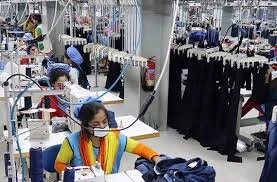

Technology is revolutionizing every industry, and garment manufacturing is no exception. From design to distribution, technological innovations have transformed the way clothing is produced, making it faster, more sustainable, and highly efficient. As the demand for quality, speed, and personalization increases, manufacturers are adopting smart technologies to stay competitive in today’s global market.
In this blog, we explore how cutting-edge tools, software, and automation are reshaping garment manufacturing, and why embracing these advancements is crucial for the future of fashion production.
How Technology is Transforming Garment Manufacturing
The integration of technology into garment manufacturing processes has had a profound impact on every stage of production. Whether it's 3D design software, automated cutting machines, or digital quality control, each innovation plays a vital role in streamlining operations and reducing costs.
Let’s break down the key areas where technology is making a difference:
1. Digital Design and Pattern Making
Gone are the days of manual sketching and paper-based patterns. Today, fashion designers use Computer-Aided Design (CAD) software to create accurate, scalable designs. This speeds up the design process while allowing easy adjustments and modifications. Digital pattern making reduces errors, saves time, and minimizes material waste.
2. Automation in Cutting and Sewing
One of the most significant advancements in garment manufacturing is the use of automated cutting and sewing machines. These machines are programmed to cut fabrics with precision, improving accuracy and reducing material loss. Automated sewing machines can handle complex stitching patterns and produce consistent results at high speed.
Some factories now employ robotic arms that perform repetitive sewing tasks, freeing up human workers for more skilled operations. This not only increases productivity but also ensures a uniform finish across all products.
3. AI-Powered Forecasting and Inventory Management
Artificial Intelligence (AI) helps manufacturers predict trends, manage inventory, and reduce overproduction. By analyzing sales data, customer behavior, and market trends, AI systems can forecast demand more accurately. This allows manufacturers to produce the right quantity of garments, minimizing waste and optimizing storage costs.
Smart inventory systems track stock levels in real-time, reducing the chances of overstocking or stockouts. This efficient supply chain management enhances customer satisfaction and profitability.
4. 3D Virtual Prototyping and Sampling
Prototyping used to be a time-consuming process involving multiple physical samples. Now, 3D virtual sampling allows designers and clients to view garments in a realistic digital format. This speeds up the approval process, reduces the need for physical samples, and cuts down on fabric usage.
Virtual try-on tools also let customers see how garments fit without trying them on physically, which is especially useful in e-commerce. These tools reduce return rates and improve customer engagement.
5. Sustainable Practices Through Technology
Sustainability is a growing concern in the fashion industry, and technology plays a vital role in reducing environmental impact. Waterless dyeing machines, laser cutting, and digital printing significantly lower water and chemical usage. Smart fabric recycling machines can repurpose old clothes into new garments.
Moreover, blockchain technology is being used to create transparent supply chains, allowing customers to trace where and how a garment was made. This builds trust and supports ethical practices in the industry.
6. Smart Textiles and Wearables
Innovations in textile technology have led to the development of smart fabrics that can monitor health, regulate temperature, or change color. These fabrics are embedded with sensors or conductive threads and are commonly used in sportswear, military uniforms, and medical garments.
Smart wearables are a growing niche in garment manufacturing, merging fashion with functionality. As consumer demand grows for high-tech clothing, manufacturers are investing in R&D to create garments that do more than just look good.
7. Digital Quality Control and Inspection
Traditional garment inspection was manual and prone to human error. Now, digital systems use cameras and AI algorithms to detect fabric defects, color mismatches, or stitching errors with extreme accuracy. These systems speed up quality control and ensure only high-quality garments reach the market.
Advanced barcode and RFID systems also help track garments throughout the production and distribution process, reducing losses and improving transparency.
Benefits of Embracing Technology in Garment Manufacturing
The adoption of advanced technologies in garment manufacturing offers several key benefits:
- Increased Efficiency: Automation and smart tools significantly reduce production time and human labor.
- Higher Accuracy: Digital systems enhance precision in cutting, stitching, and quality control.
- Cost Savings: Reduced waste, optimized inventory, and improved production planning lead to better profitability.
- Sustainability: Eco-friendly machines and smart recycling help reduce the industry’s carbon footprint.
- Customization: On-demand production and digital design tools enable personalized fashion at scale.
Challenges and the Future Ahead
While technology presents countless advantages, implementing it can be costly and complex, especially for small manufacturers. Training staff, maintaining new systems, and ensuring cybersecurity are also concerns.
However, as technology becomes more accessible, and as demand for ethical, fast, and high-quality garments grows, even smaller players in the industry will find ways to innovate. The future of garment manufacturing lies in embracing change and investing in tools that drive smarter, cleaner, and more agile production.
Final Thoughts
The role of technology in modern garment manufacturing is transformative. It’s not just about automation—it's about creating a smarter, more sustainable, and customer-centric production process. From digital design to smart inventory, these innovations are setting new standards for quality, efficiency, and ethical practices in the fashion industry.
Manufacturers who adapt to these changes will thrive in a highly competitive market, while those who resist may struggle to keep up. As the industry evolves, technology will continue to be the driving force behind the garments we wear every day.













Sign in to leave a comment.