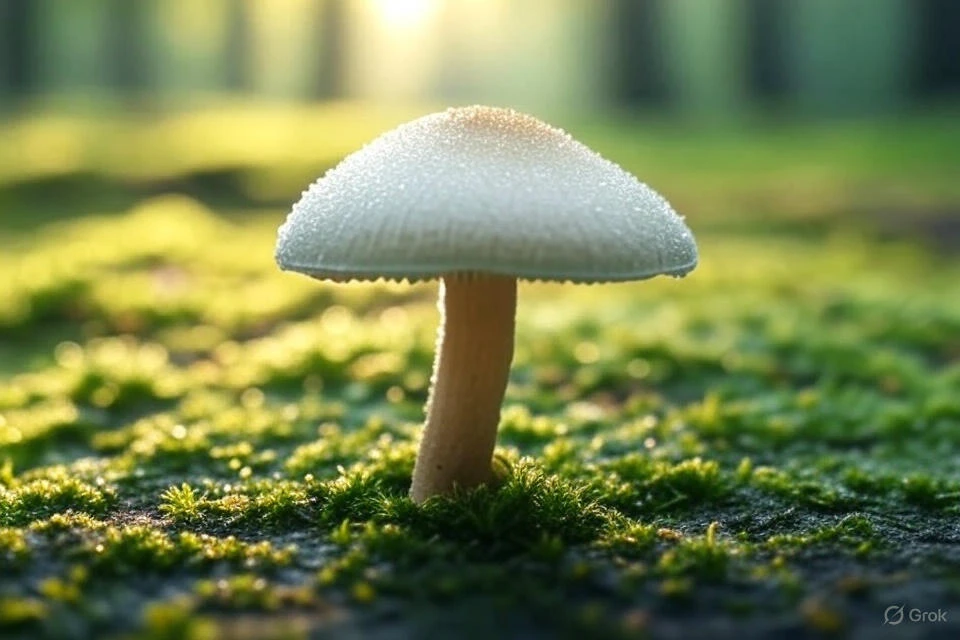

Magic mushroom grow kits have gained popularity for their convenience, simplicity, and ability to produce psilocybin mushrooms at home. But what exactly goes on inside these kits? Understanding the science behind them helps explain why they work so effectively and why they’ve become the go-to option for many mycology enthusiasts.
At the core of every grow kit is the mycelium—the vegetative part of a fungus. Think of it as the root system of a mushroom. It consists of a network of thread-like structures called hyphae that grow and spread within a nutrient-rich substrate. In grow kits, this substrate is typically composed of materials like rye grain, vermiculite, and sometimes brown rice flour, which provide the essential nutrients for the mycelium to thrive.
The kits come pre-inoculated, meaning the spores of the psilocybin mushroom have already been introduced to the substrate under sterile conditions. Once you receive the kit, the colonization process is usually well underway. The mycelium has begun to spread and form a dense white mat within the substrate, which is a sign of healthy growth.
To initiate the fruiting process—where the actual mushrooms form—certain environmental conditions must be met. These include a drop in temperature, increased humidity, light exposure (usually indirect natural light), and fresh air exchange. Once these conditions are introduced, the mycelium senses a change in the environment, signaling that it's time to reproduce by producing fruiting bodies—what we recognize as mushrooms.
Humidity plays a crucial role at this stage. Psilocybin mushrooms require a consistently moist environment to form properly. This is why grow kits often include a humidity tent or require users to mist the inside of the container regularly. The moisture helps maintain a microclimate where pins (the early forms of mushrooms) can emerge and grow.
Light is also essential—not for photosynthesis like in plants, but as a cue for orientation. Light helps the mushrooms know which direction to grow in. Meanwhile, fresh air exchange is necessary to reduce the buildup of carbon dioxide, which can stunt mushroom growth or lead to malformed fruiting bodies.
Over the span of 1 to 3 weeks, depending on the strain and conditions, the mushrooms mature and are ready for harvesting. Most kits allow for multiple flushes, or cycles of mushroom growth, as long as the mycelium remains healthy and the environment is properly maintained.
In essence, magic mushroom grow kits simplify a process that would otherwise require significant sterilization, spore handling, and environmental control. By preloading the hard part—mycelium colonization—these kits make the fascinating science of fungal growth accessible to beginners and experts alike.












Sign in to leave a comment.