

Trauma does not always look dramatic. It is not limited to visible wounds or catastrophic events. Often, trauma is a quiet disruption — a lingering emotional imprint that reshapes how a person sees themselves, others, and the world. For caregivers and educators, understanding trauma is not just a professional skill. It is an essential foundation for fostering safety, empathy, and resilience.
In classrooms, homes, counseling spaces, and community programs, trauma is present more often than we realize. Children who appear withdrawn may be coping with overwhelming stress. Adults who react intensely to small triggers may be reliving past experiences beyond their control. Trauma shapes behavior — often in ways that are misunderstood.
This is why trauma-informed approaches matter. They offer a way to support healing, reduce harm, and cultivate environments where people can truly feel safe.
Understanding What Trauma Really Is
Trauma is not defined by the event itself, but by how the nervous system interprets and stores that experience. Two people can go through the same situation and respond very differently. One may recover naturally while another may experience lasting emotional distress.
Common Sources of Trauma
- Abuse or neglect
- Violence or unsafe environments
- Grief and loss
- Medical emergencies or chronic illness
- Household instability
- Community or cultural trauma
- Long-term stress without support
Trauma overwhelms the brain’s ability to cope. Instead of processing and releasing the event, the mind stores it as ongoing danger, even long after the threat has passed.
The result can be:
- Anxiety or hypervigilance
- Emotional numbness
- Difficulty trusting others
- Trouble concentrating or learning
- Withdrawal or aggression
These are not “bad behaviors.” They are survival responses.
The Brain’s Response to Trauma
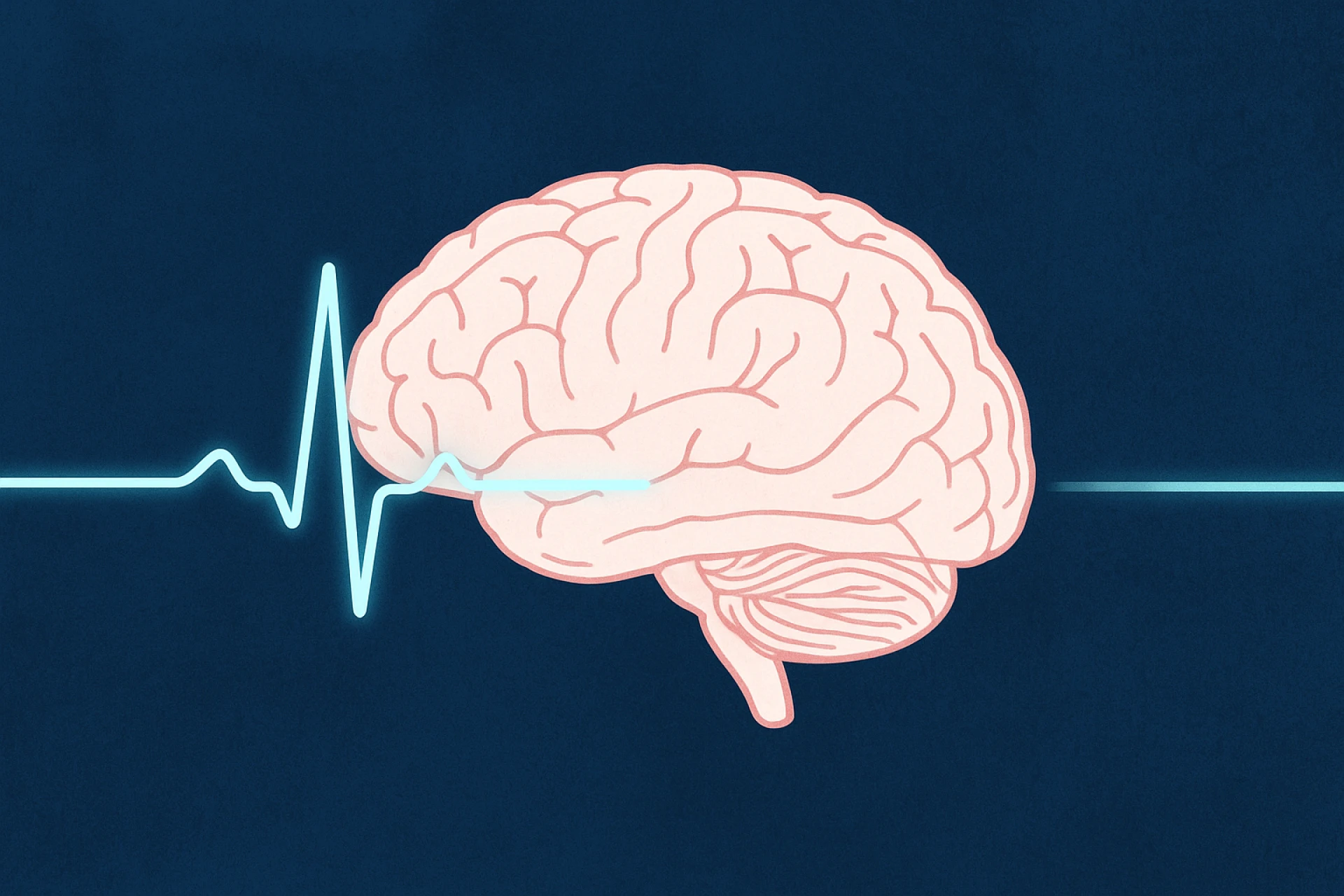
When a person experiences trauma, their brain enters a heightened state of protection. The amygdala (the brain’s alarm system) becomes overactive, while the prefrontal cortex (responsible for reasoning and decision making) becomes less accessible.
This means:
- The body reacts before the mind can think.
- Safety and relationships feel uncertain.
- Learning, communication, and emotional regulation become more difficult.
This is especially important for educators. A child who shuts down in class is not being disrespectful. Their brain may simply be trying to survive.
Why Trauma Education Matters for Caregivers and Teachers
Caregivers and educators hold extraordinary influence in shaping emotional safety — which directly impacts learning and development. A calm, predictable, and compassionate environment can help the nervous system feel safe again. But without understanding trauma, well-intentioned adults may accidentally escalate stress.
This is where Trauma Sensitive Training becomes invaluable. It teaches how to respond to emotions, behaviors, and communication patterns with patience rather than punishment.
The Growing Role of Training Programs in Oklahoma City
Communities are beginning to recognize the need for tools that support emotional healing. Programs such as “ Mental Health Training Oklahoma City ” are designed to help professionals, caregivers, and educators understand trauma’s impact and respond effectively. These training opportunities offer guidance on identifying trauma indicators, communicating with empathy, and building supportive environments.
Additionally, Trauma Awareness Workshops provide hands-on learning experiences where participants practice real strategies for de-escalation, emotional validation, and safety-based communication.
For those seeking deeper immersion, Trauma Informed Care Training OKC helps organizations and individuals reshape their approach across the entire care environment — from classroom policies to counseling interactions and community support structures.
Core Principles of Trauma-Informed Care
- Safety
- Emotional, mental, and physical safety must be prioritized at all times.
- Choice
- Individuals should be empowered with options rather than directives.
- Collaboration
- Healing happens through shared understanding, not authority or control.
- Trustworthiness
- Consistency builds the sense of security needed for growth.
- Empowerment
- Recognizing strengths supports transformation and resilience.
These principles shift the question from “What’s wrong with them?” to “What happened to them — and how can we support healing?”
Practical Strategies for Caregivers and Educators
1. Use a Calm and Grounded Tone
The nervous system responds to cues of safety or threat. A steady voice helps regulate emotional response.
2. Create Predictable Routines
Predictability reduces anxiety and restores a sense of control.
3. Validate Feelings
Acknowledgment does not mean agreement. It means connection.
4. Offer Small, Manageable Choices
Choice supports autonomy and rebuilding trust.
5. Avoid Punitive Reactions to Emotional Behavior
Consequences rooted in empathy are far more effective than punishment.
6. Prioritize Relationship Before Instruction
Learning cannot occur while the brain is in survival mode.
Healing Is Possible — And It Begins with Awareness
Trauma is not a life sentence. The brain is designed to heal. Relationships can be repaired. Trust can be rebuilt.
When caregivers and educators gain the tools to understand trauma, they become agents of restoration. They help create spaces where people do not just survive — they grow.
Whether through Mental Health Training Oklahoma City, interactive Trauma Awareness Workshops, or comprehensive Trauma Informed Care Training OKC, communities have the power to support one another in profound ways.
Understanding trauma is not just knowledge.
It is compassion in action.
It is the foundation of healing.











Sign in to leave a comment.