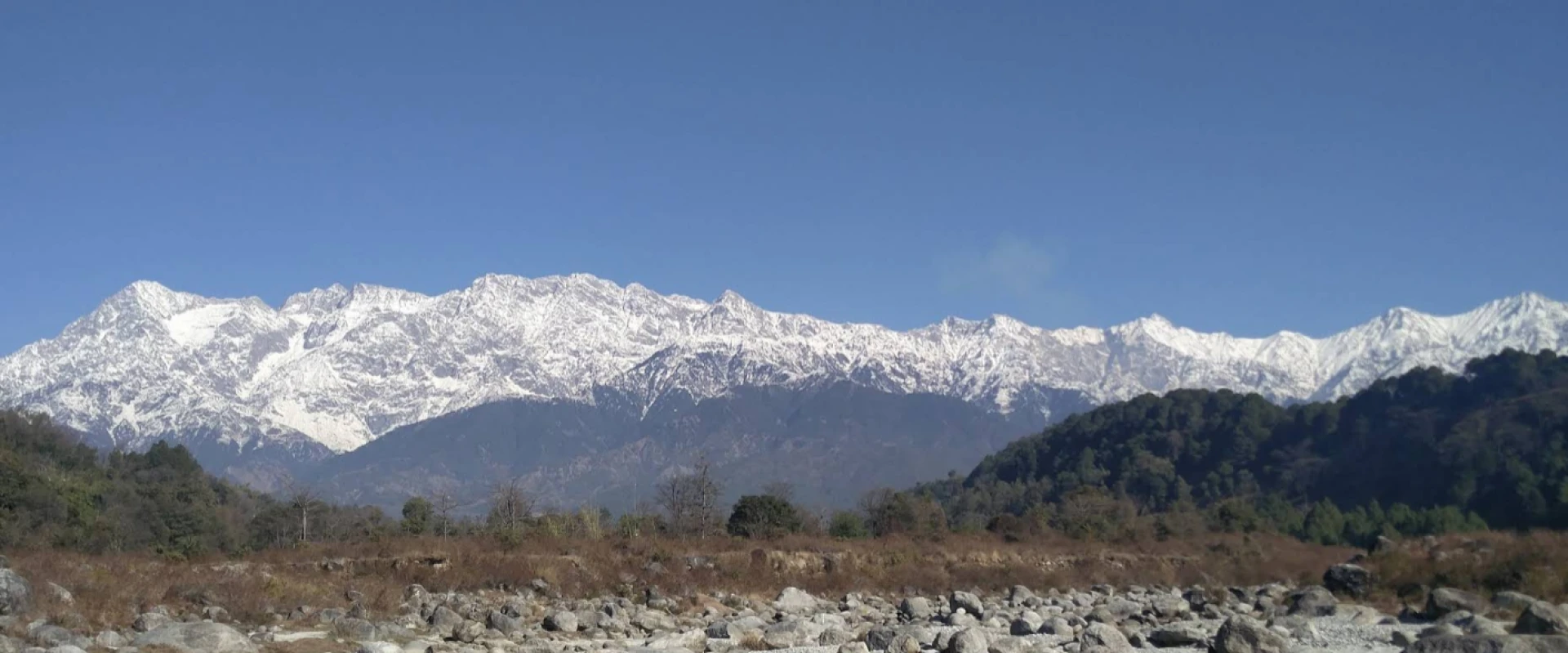
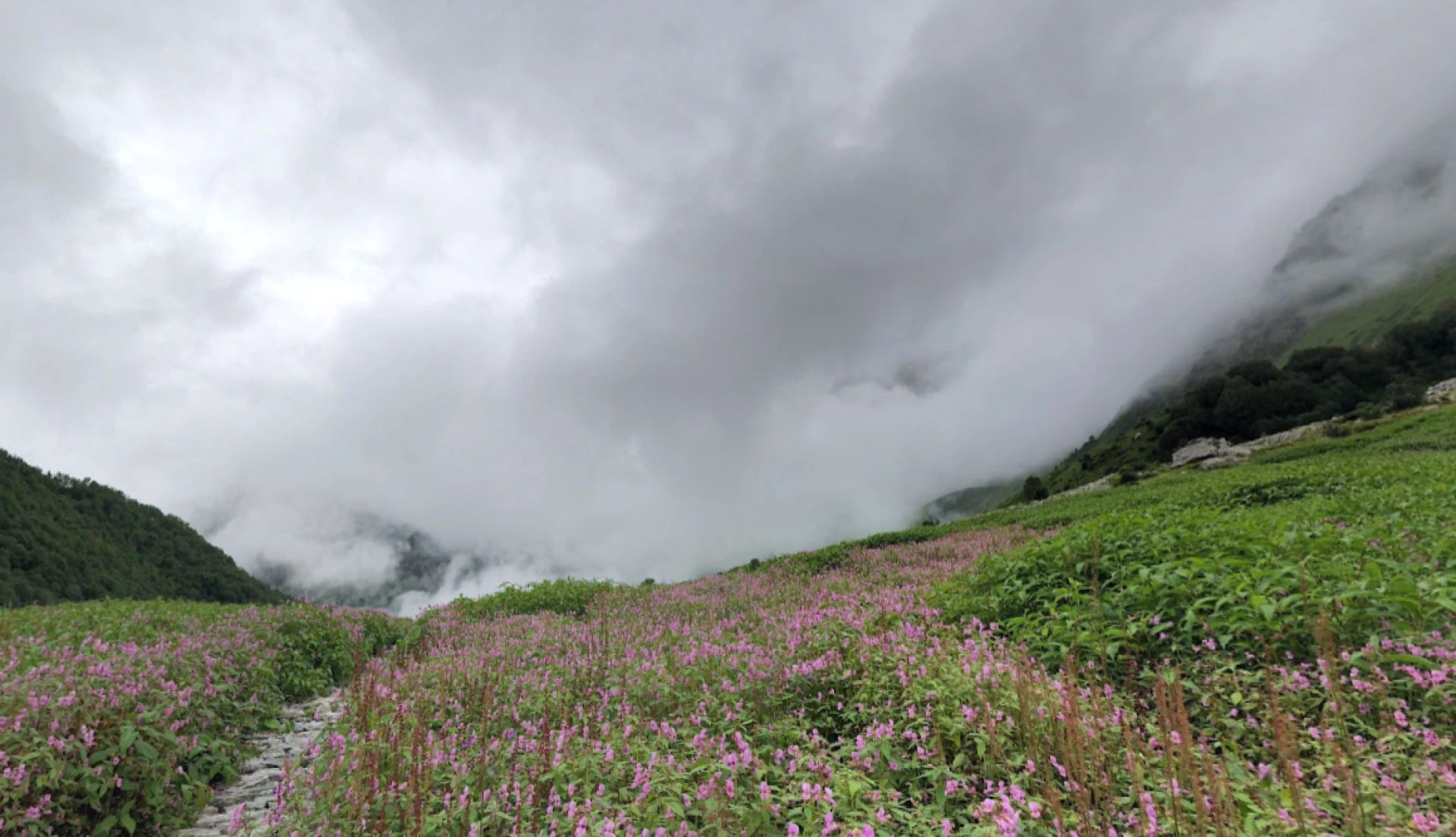
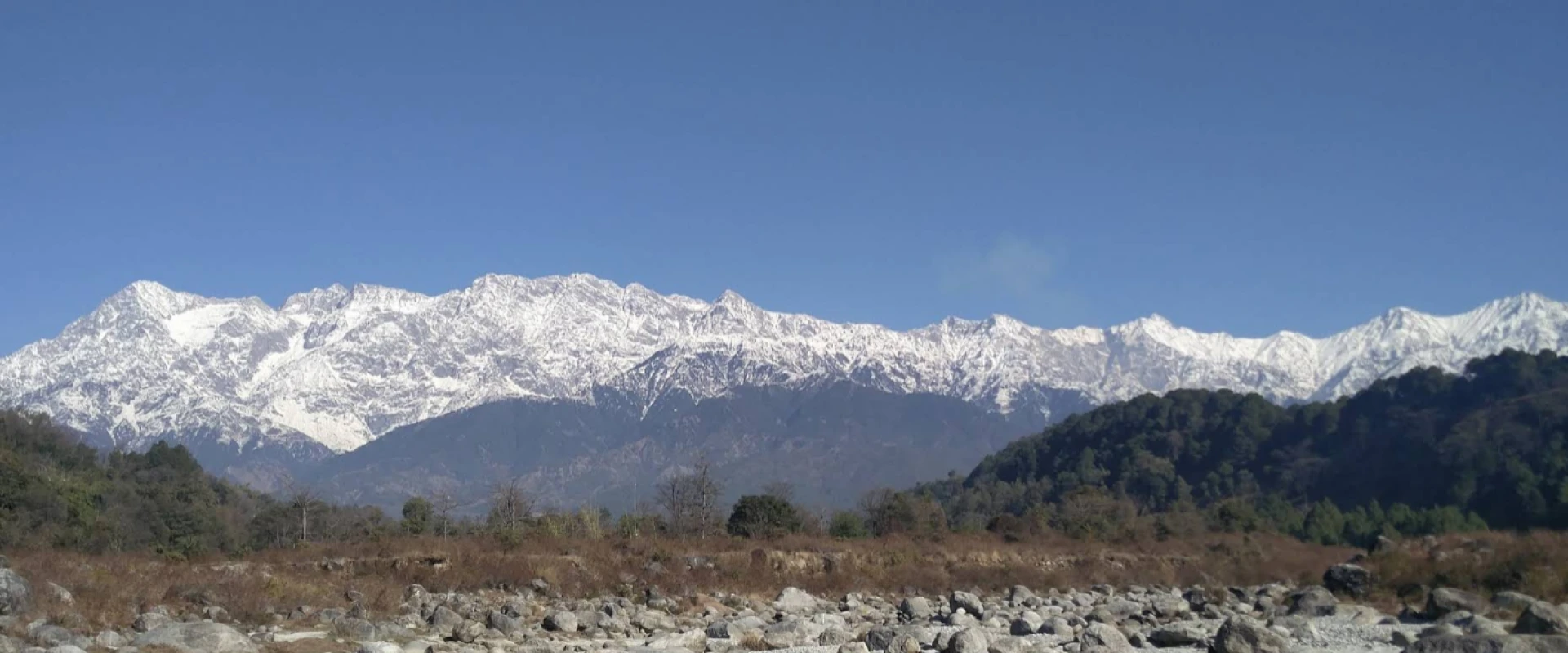
Hidden deep in the folds of the Himalayas, beyond the well-trodden tourist trails, lies a network of ancient paths known as The Shepherd’s Way. For centuries, these routes have been used by Gaddi shepherds, nomadic pastoralists who migrate with their flocks across the rugged landscapes of Himachal Pradesh.
These trails are not just pathways—they are living history, connecting remote valleys, high-altitude meadows, and forgotten villages. If you’re looking for an offbeat Himalayan adventure, walking these routes is like stepping back in time.
What is the Shepherd’s Way?
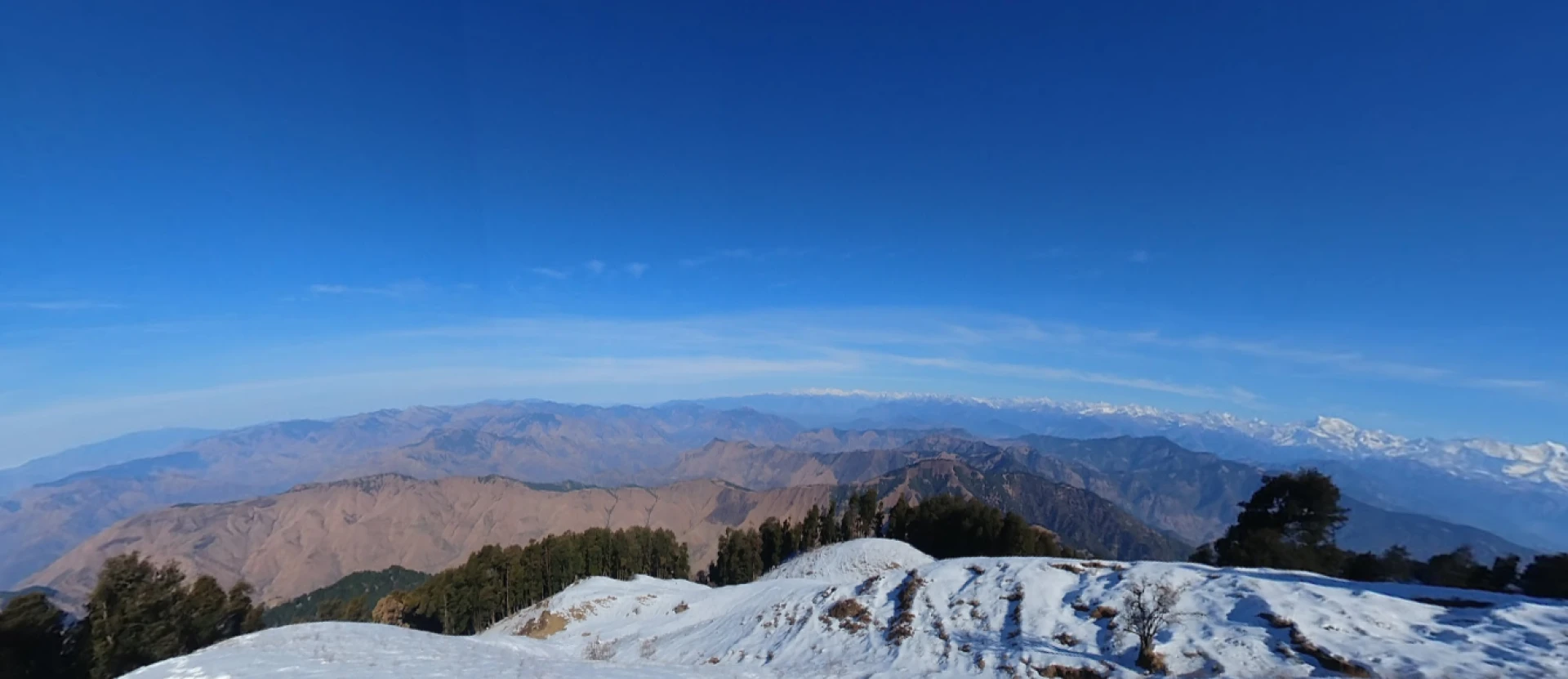
The Shepherd’s Way (Gaddi trails) are traditional migration routes used by the Gaddi tribe, a pastoral community that moves seasonally with their sheep and goats between:
- Winter pastures (Kangra, Mandi, Bilaspur – lower altitudes)
- Summer grazing lands (Lahaul, Spiti, Bharmour – high-altitude meadows)
These trails pass through remote valleys, dense forests, glacial streams, and high mountain passes, offering some of the most untouched landscapes in Himachal.
Key Routes of the Shepherd’s Way
1. Kangra to Bharmour (Via Indrahar Pass)
- Distance: ~35 km trek
- Altitude: 4,342 m (Indrahar Pass)
- Highlights:
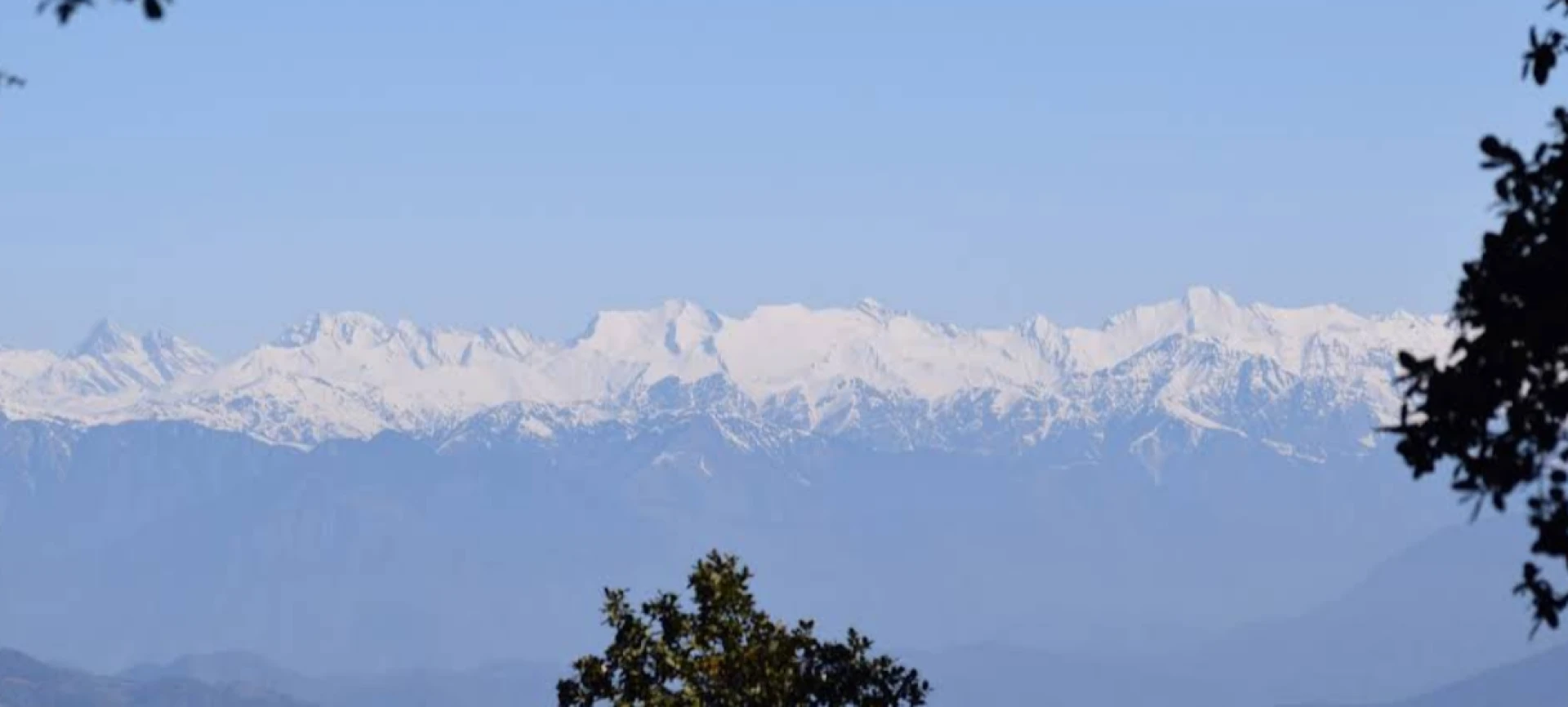
- Stunning views of the Dhauladhar range
- Sacred Lake Lam Dal near the pass
- Ancient temples in Bharmour
2. Chamba to Kugti Pass (Into Lahaul Valley)
- Distance: ~50 km trek
- Altitude: 5,050 m (Kugti Pass)
- Highlights:
- One of the toughest Gaddi migration routes
- Kugti Wildlife Sanctuary (home to snow leopards & Himalayan brown bears)
3. Barot to Bara Bhangal (The Forbidden Valley)
- Distance: ~60 km trek
- Altitude: 4,890 m (Kalichho Pass)
- Highlights:
- Bara Bhangal (one of the most remote villages in Himachal)
- Thrilling river crossings & untouched meadows
4. Bharmour to Manimahesh Lake (Pilgrimage & Pasture Route)
- Distance: ~14 km trek
- Altitude: 4,080 m
- Highlights:
- Sacred Manimahesh Lake (Hindu pilgrimage site)
- Views of Mount Kailash (as per local legends)
How to Trek the Shepherd’s Way?
Best Time to Go
- June to September (when shepherds migrate to higher pastures)
- Avoid monsoon (July-August) due to landslides
Difficulty Level
- Moderate to Challenging (some passes cross 5,000m)
- Requires good fitness & acclimatization
Guided vs. Solo Trekking
✔ Guided Treks Recommended (local guides know water sources & camping spots)
✖ Solo trekking risky (remote areas, no marked trails)
What to Pack?
- Warm layers (nights are freezing even in summer)
- Sturdy trekking shoes
- Dry food & water purification tablets
- Basic first aid & altitude sickness meds
Life Along the Shepherd’s Way
Walking these trails isn’t just about the landscapes—it’s about meeting the Gaddi shepherds, understanding their way of life, and experiencing:
- Night camps under starry skies with shepherds
- Traditional Himachali meals (like siddu, thukpa, and fresh goat milk)
- Folklore & songs around bonfires
Challenges & Responsible Trekking
- No fixed routes – Trails change with seasons & landslides.
- Limited connectivity – No phones, electricity, or medical aid.
- Eco-sensitive zones – Carry back all waste, avoid plastic.
Why Trek the Shepherd’s Way?
Experience raw, unexplored Himalayas
Walk in the footsteps of ancient nomads
Escape tourist crowds
Cultural immersion with the Gaddi tribe
Final Thoughts: A Journey Through Time
The Shepherd’s Way is more than a trek—it’s a living heritage of Himachal. Whether you follow the Gaddis for a day or trek an entire route, these trails offer a rare glimpse into a vanishing way of life.









Sign in to leave a comment.