In the luminous expanse of Sanatana Dharma, the cow—or Gau Mata—holds a revered place that transcends mere agricultural importance. At Krishnayan, this veneration is not only deeply spiritual but also woven into cultural identity, ecological wisdom, and unwavering dharmic values.
The Divine Embodiment
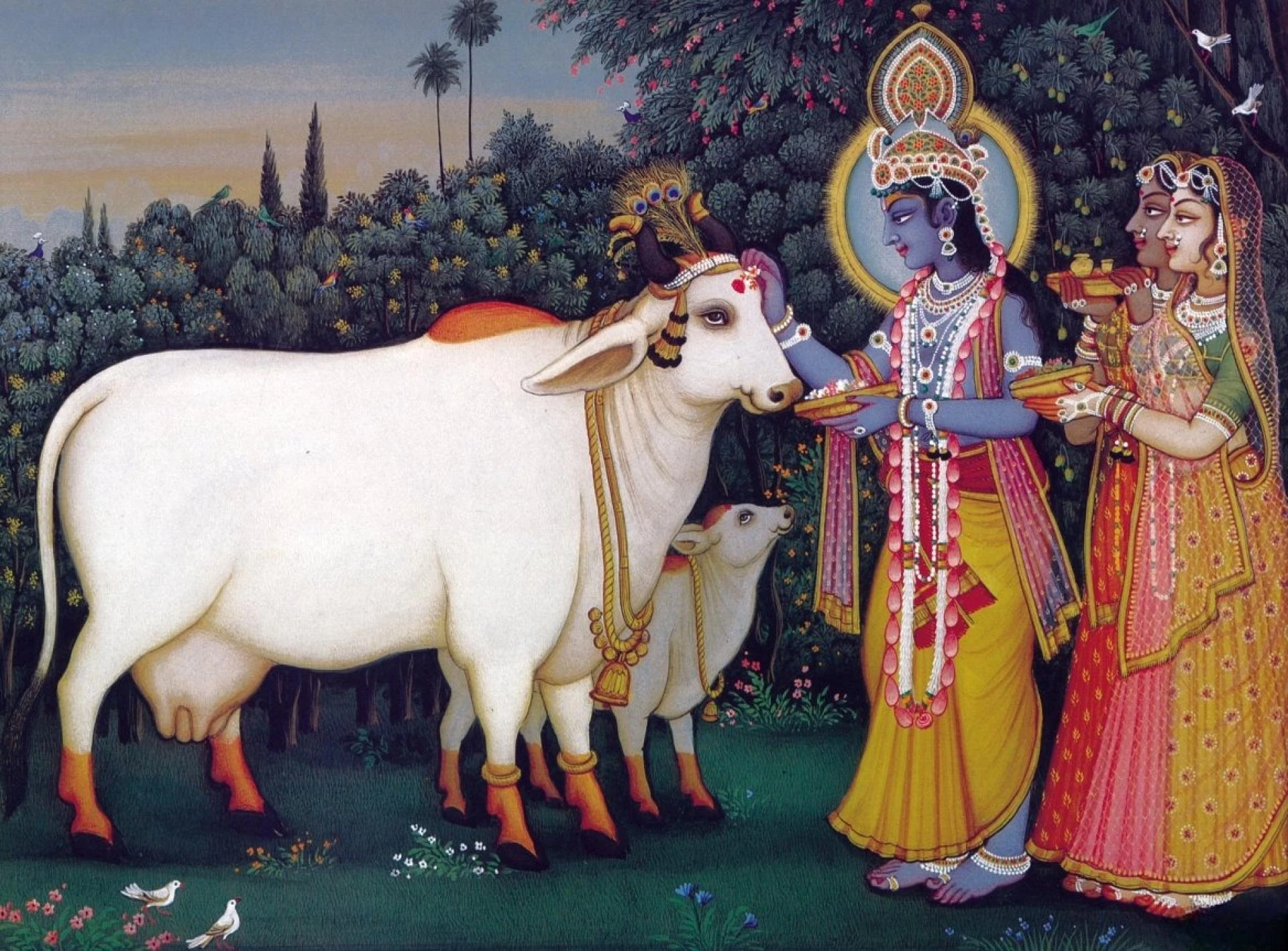
Krishnayan’s reflections emphasize that the cow is a sacred vessel, housing deities and offering salvation to humanity through its presence and byproducts. Extending beyond scriptural reverence, other sources affirm this sacred identity by linking Gau Mata to Kamadhenu, the wish-fulfilling divine cow, embodying abundance and divine grace.
Spiritual Harmony and Symbolism
Integral to Hindu practice, Gau Seva (service to cows) fosters spiritual growth, empathy, and humility—key virtues in Sanatana Dharma. Furthermore, sacred literature places cows at the heart of yajñas (fire rituals), equating their sacrifices to sustaining cosmic harmony, with the cow being mentioned even before the Brahmin in certain Vedic chants.
Nourishment, Motherhood, and Madhurya
Traditionally considered a second mother, the cow nurtures mankind with its milk—offering both physical sustenance and symbolic maternal warmth. This maternal role resonates deeply in Sanatana Dharma, as did Krishna’s upbringing among cows, reflecting his divine connection to Gau Mata.
Ecological and Practical Harmony
Beyond reverence, the cow’s practical contributions—milk, dung, and urine—have historically sustained households and agriculture. Cow dung served as clean building material or fuel, while manure and urine found sacred and medicinal utility. Through Krishnayan’s lens, this alignment of ritual, ecology, and daily life illustrates how Gau Mata embodies holistic sustainability.
Liberation and Salvation
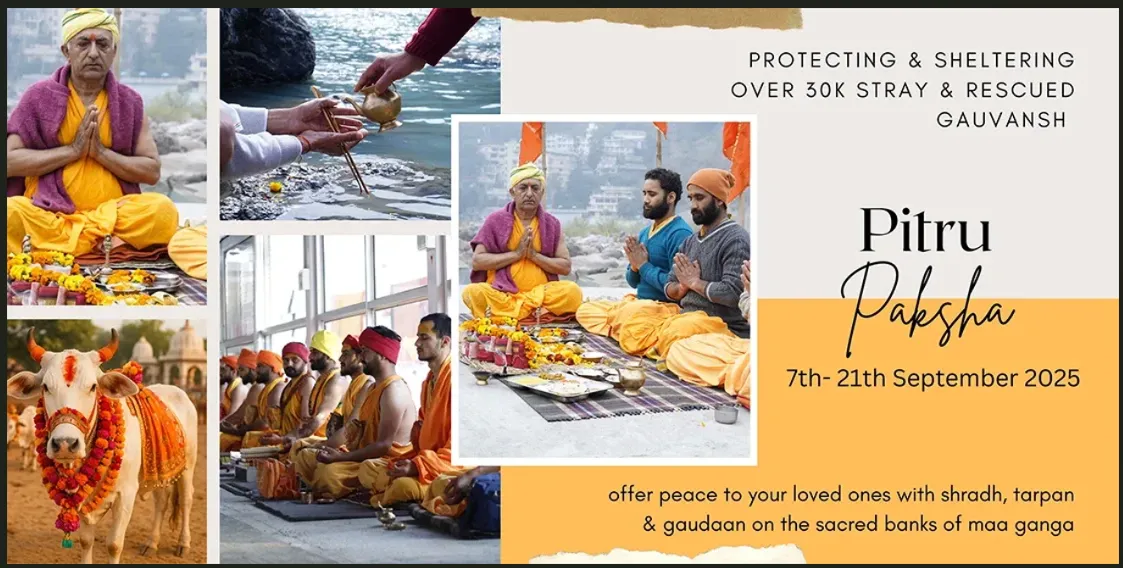
Krishnayan underscores the cow’s role in rites like Godaan (cow donation), believed to grant moksha (liberation) and smooth a departed soul’s journey through critical spiritual thresholds, including the Rudra river in the afterlife. This sanctified act echoes ancient teachings that regard cow donation among the highest dharmic deeds.
Voices from the Tradition
“The cow symbolizes wealth, compassion, motherliness, righteousness (dharma),… purity, and auspiciousness.”
“Beyond that, the cow could provide milk that feeds the child… the cow steps in as the role of mother.”
These heartfelt testimonies affirm how Gau Mata continues inspiring devotion, moral values, and emotional resonance.
At Krishnayan, Gau Mata is more than a sacred symbol—she is a living principle of nurturing dharma, ecological wisdom, cultural heritage, and spiritual upliftment. Honoring her is not just ritual, but a reaffirmation of the eternal bond between humanity, nature, and the divine.









Sign in to leave a comment.