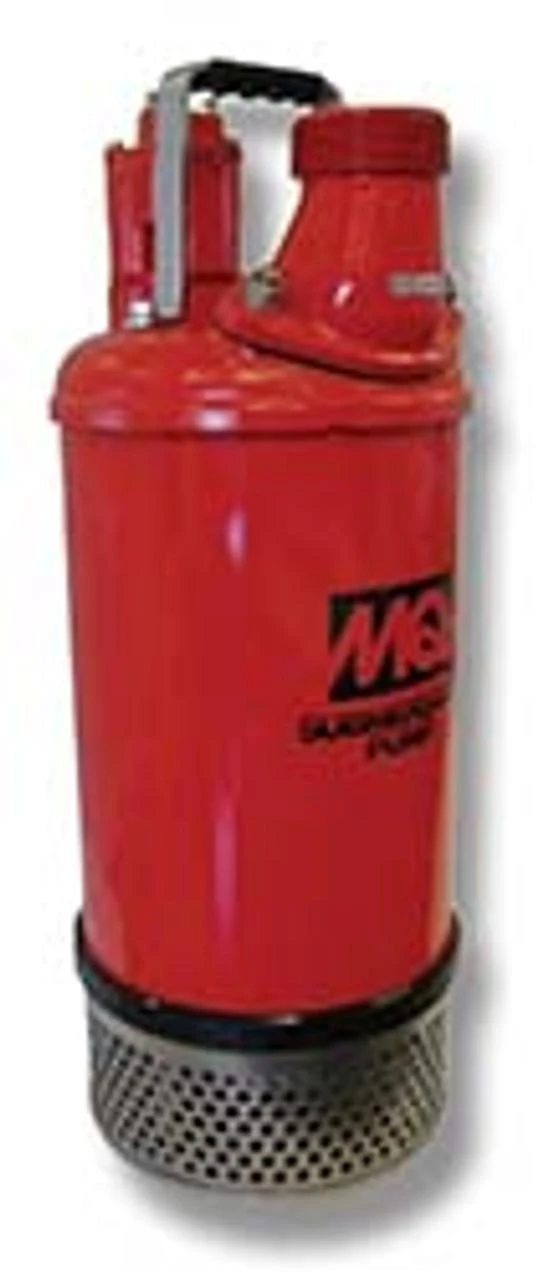

Dewatering pumps are mechanical devices used to remove water from various locations. They come in different types, including centrifugal, submersible, and diaphragm pumps, each suitable for specific applications. Centrifugal pumps use a rotating impeller to create a flow, making them ideal for high-flow applications. Submersible pumps, as their name suggests, operate underwater, making them perfect for deeper water levels. Diaphragm pumps use a reciprocating diaphragm to move water, suitable for areas with a lot of debris. By maintaining dry conditions, they help prevent water accumulation that can lead to soil erosion, structural instability, and pollution.
Here’s a guide to the vital functions of dewatering pumps and their contributions to environmental protection.
Role in Construction and Mining
Construction Sites
In construction, controlling water is crucial to maintain site safety and ensure project stability. Dewatering pumps help keep construction sites dry, especially during excavation and foundation work. Excess water can weaken soil and lead to structural failures. By efficiently removing water, these pumps prevent soil erosion and maintain the integrity of the construction site. This not only ensures the safety of workers but also protects the surrounding environment from potential landslides and erosion.
Mining Operations
Mining operations often deal with groundwater and surface water intrusion. Dewatering pumps are essential in these settings to prevent flooding in mine shafts and tunnels. By managing water levels, they protect miners and equipment, ensuring smooth and safe operations. Additionally, proper water management in mining prevents the leaching of harmful substances into the surrounding environment, safeguarding local ecosystems from contamination.
Environmental Protection
Dewatering pumps are instrumental in protecting the environment in several ways, as discussed below.
Preventing Water Contamination
Water contamination is a significant concern, especially in industrial and construction settings. Dewatering pumps help manage and treat water before it is released back into the environment. By controlling water flow, these pumps ensure that potentially contaminated water is directed to treatment facilities where harmful chemicals and pollutants can be removed. This process prevents toxic substances from entering natural water bodies, protecting aquatic life and maintaining water quality.
Soil and Groundwater Management
Effective dewatering practices prevent soil erosion and groundwater contamination. When water accumulates in construction or mining sites, it can carry sediments and pollutants into the groundwater. Dewatering pumps help manage this water, reducing the risk of contamination. By keeping the water levels in check, they prevent the leaching of hazardous substances into the soil and groundwater, thus maintaining the quality of these essential resources.
Technological Advancements
The development of dewatering pump technology has seen significant advancements, enhancing their efficiency and environmental impact. Modern pumps are equipped with smart sensors and automation systems that optimize their operation. These technologies enable real-time monitoring and control, ensuring that pumps operate only when necessary, reducing energy consumption and minimizing environmental disruption.
Energy Efficiency
Energy-efficient dewatering pumps are designed to reduce power consumption while maintaining high performance. These pumps use advanced materials and design techniques to minimize energy loss and improve overall efficiency. By reducing the amount of energy required for operation, these pumps not only lower operational costs but also reduce the carbon footprint associated with their use.
Eco-Friendly Designs
Manufacturers are increasingly focusing on eco-friendly designs. For instance, some dewatering pumps use biodegradable lubricants and materials that minimize environmental impact. Additionally, advancements in noise reduction technology have led to quieter pumps, reducing noise pollution in sensitive areas.
Regulatory Compliance
Dewatering activities are subject to strict regulatory oversight to protect the environment. Agencies such as the Environmental Protection Agency (EPA) in the United States set guidelines for dewatering practices to ensure that water is managed responsibly. Compliance with these regulations is essential for construction and mining companies to avoid legal repercussions and ensure environmental protection.
Permits and Best Practices
Obtaining the necessary permits for dewatering activities involves demonstrating that the project will not harm the environment. This includes implementing best practices such as proper water treatment, monitoring of water quality, and ensuring that the dewatering process does not adversely affect nearby water bodies. Adhering to these regulations helps maintain the balance between development and environmental conservation.
When it comes to sourcing these essential tools, TMS Equip is your go-to supplier. Our extensive collection of dewatering pumps includes options for every requirement, ensuring you have the right equipment for the job. From centrifugal clearwater pumps and Honda diaphragm pumps to three-phase submersible pumps and Wacker Neuson trash pumps, our available options can meet any need. Moreover, TMS Equip offers a range of high-quality diamond masonry blades, vibratory plate compactors, and concrete mixers, making us a one-stop shop for all your construction and dewatering needs.
Ready to ensure environmental safety? Contact us and order a dewatering pump.












Sign in to leave a comment.