Dental implants have become one of the most effective and long-lasting solutions for individuals looking to restore missing teeth. With advancements in dental technology, patients can now enjoy results that look natural and function just like their original teeth. The process of receiving Dental Implants in Ventura involves careful planning, precise execution, and thorough aftercare. From the initial consultation to the final placement of the crown, each step is designed to ensure a successful outcome, optimal comfort, and improved oral health. Understanding the process can help patients feel confident and prepared as they embark on their journey toward a restored smile.
Initial Consultation and Comprehensive Examination
Evaluating Oral Health
The first step in the dental implant process is a detailed consultation with a dental professional. During this appointment, the dentist examines the overall health of the patient’s mouth, including teeth, gums, and jawbone. This evaluation ensures that the patient is a suitable candidate for implants. Conditions such as gum disease or insufficient bone density may require preliminary treatments before implants can be placed. A thorough assessment helps prevent complications and lays the foundation for a smooth procedure.
Diagnostic Imaging
Diagnostic imaging, including X-rays and 3D scans, plays a crucial role in planning the implant procedure. These images allow the dentist to evaluate the jawbone’s structure, determine the precise location for the implant, and avoid critical nerves or sinuses. Advanced imaging ensures that implants are placed with precision, promoting long-term stability. Proper imaging also helps in customizing the implant to match the patient’s unique oral anatomy, resulting in a natural look and feel.
Treatment Planning and Customized Solutions
Creating a Personalized Plan
After the evaluation and imaging, the dentist develops a personalized treatment plan. This plan considers factors such as the number of missing teeth, bone quality, and the patient’s overall health. A customized plan ensures that each step of the implant procedure is tailored to the individual, increasing the chances of success. The dentist also discusses the timeline, potential risks, and expected outcomes, allowing the patient to make an informed decision.
Choosing the Right Implant Type
Dental implants come in various types and sizes. The dentist helps the patient select the most suitable implant based on their oral structure and functional needs. Factors such as single-tooth implants, multiple implants, or full-arch replacements are considered. Selecting the right implant type is essential for achieving a natural appearance, comfort, and long-lasting results. The dentist also evaluates materials to ensure compatibility and durability.
Surgical Placement of the Implant
Preparing the Site
Before the implant is placed, the surgical site is prepared carefully. If necessary, tooth extraction or bone grafting may be performed to create a strong foundation. Preparing the site properly reduces the risk of complications and promotes healing. Patients receive local anesthesia or sedation to ensure comfort throughout the procedure. This step sets the stage for the precise placement of the implant post.
Inserting the Implant
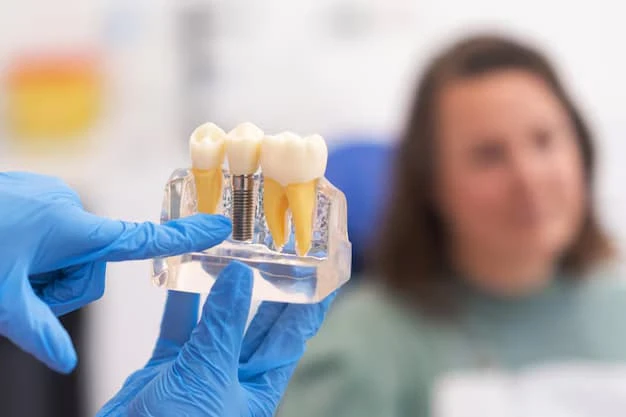
The actual implant placement involves inserting a titanium post into the jawbone. This post acts as the artificial root of the tooth and provides a stable anchor for the final restoration. The procedure requires skill and precision to ensure that the implant integrates properly with the bone. Proper placement is critical for long-term functionality and appearance. After insertion, the site is carefully closed, and patients are given post-operative instructions to support healing.
Healing and Osseointegration
Understanding Osseointegration
One of the most important aspects of dental implants is osseointegration, the process where the implant fuses with the jawbone. This natural bonding provides the strength and stability necessary to support a dental crown. Osseointegration can take several months, during which the bone grows around the implant. Patience during this phase is crucial for ensuring that the implant will function effectively for years to come.
Managing Recovery
During the healing phase, patients are advised to follow specific care instructions. This may include maintaining oral hygiene, avoiding certain foods, and attending follow-up appointments. Proper recovery helps minimize the risk of infection or implant failure. The dentist monitors the healing progress and ensures that the implant is integrating well with the surrounding bone. Patients are also guided on temporary solutions, such as removable dentures, to maintain aesthetics during this period.
Abutment Placement and Final Restoration
Attaching the Abutment
Once osseointegration is complete, an abutment is attached to the implant. The abutment serves as a connector between the implant and the dental crown. This step may require minor surgery to expose the implant, ensuring a secure fit. The abutment placement is crucial for achieving proper alignment, bite, and appearance. It also prepares the implant to support the final restoration, completing the structural phase of the procedure.
Placing the Dental Crown
The final step involves placing a custom-made dental crown on the abutment. The crown is designed to match the color, shape, and size of the surrounding teeth, ensuring a natural look. This step restores full functionality, allowing patients to eat, speak, and smile with confidence. Properly fitted crowns enhance both aesthetics and comfort. Once the crown is in place, the dental implant is fully functional and provides a long-lasting solution for missing teeth.
Aftercare and Maintenance
Maintaining Oral Hygiene
Long-term success of dental implants depends heavily on proper oral care. Patients are encouraged to brush, floss, and rinse regularly to prevent plaque buildup and gum disease. Good hygiene helps protect the implant and surrounding teeth, ensuring lasting results. Regular dental check-ups allow the dentist to monitor the implant and address any issues promptly. Patients are also educated on avoiding habits that could damage the implant, such as chewing hard objects.
Regular Check-Ups
Routine follow-up visits are essential to ensure the implant remains healthy and functional. During these appointments, the dentist checks the stability of the implant, evaluates the surrounding tissue, and assesses the overall oral health. Regular monitoring helps detect early signs of complications and maintains the longevity of the implant. Consistent care and professional oversight contribute significantly to the success of dental implants.
Conclusion
Receiving dental implants is a transformative journey that restores both function and aesthetics to a patient’s smile. From the initial consultation to the placement of the final crown, every step requires careful planning and precision. Patients who follow the recommended aftercare and maintain good oral hygiene can enjoy the benefits of their implants for many years. For those seeking reliable and professional care for dental restoration, Clove Dental offers expert guidance and comprehensive services to ensure a seamless dental implant experience.













Sign in to leave a comment.