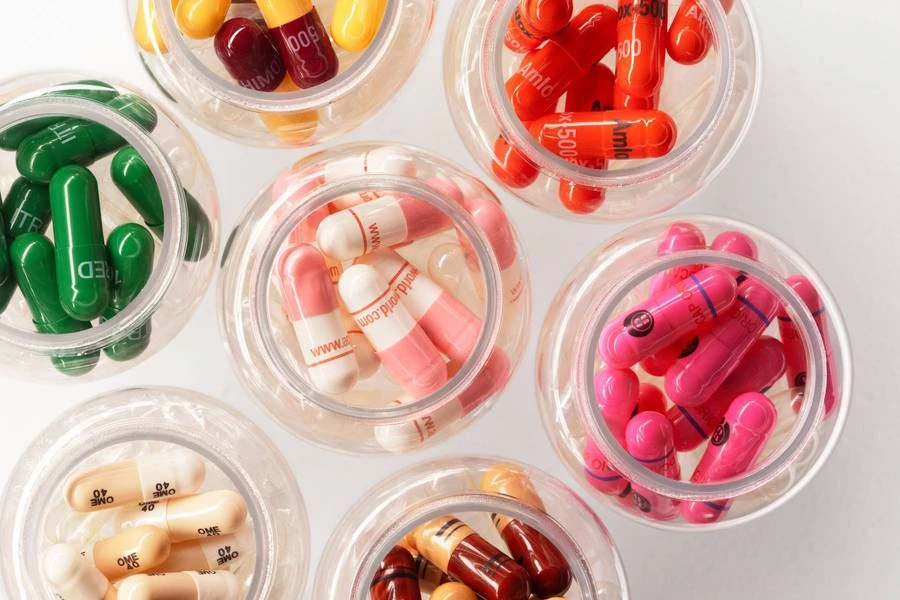

Capsules have long been one of the most adaptable dosage forms in pharmaceuticals - capable of delivering everything from fine powders and pellets to semisolids and liquids. For decades, gelatin has been the go-to material for capsule shells, prized for its biocompatibility, robustness, and compatibility with high-speed filling lines. Gelatin capsules typically disintegrate within minutes in biological media, making them reliable performers for immediate-release formulations.
Yet as the pharmaceutical landscape evolves, so do its demands. Patient preferences, regulatory scrutiny, and the rise of complex, moisture-sensitive molecules are prompting manufacturers to look beyond gelatin. Hydroxypropyl Methylcellulose (HPMC) - a plant-derived, cellulose-based polymer - has emerged as a compelling alternative that addresses many of gelatin's inherent limitations.
The Limitations Driving Change
Despite gelatin's widespread adoption, it carries a set of challenges that can complicate modern formulation development.
Moisture sensitivity is among the most significant. Gelatin capsule shells contain an inherent moisture content of 13–16%, which creates compatibility issues with hygroscopic or moisture-sensitive active pharmaceutical ingredients (APIs). Water is one of the most potent accelerants of drug degradation, and a high-moisture shell puts vulnerable formulations at risk from the moment of encapsulation.
Chemical reactivity is another concern. Gelatin's amino acid and protein composition makes it susceptible to cross-linking reactions - most notably the Maillard reaction - when free amino groups interact with carbonyl-containing compounds in the capsule fill. Cross-linking can compromise capsule solubility, delay disintegration, and ultimately alter drug release profiles in ways that are difficult to predict or control.
Safety and regulatory concerns add another layer of complexity. Gelatin is derived from animal collagen, raising concerns about Transmissible Spongiform Encephalopathy (TSE) and Bovine Spongiform Encephalopathy (BSE). These issues create regulatory hurdles and restrict the use of gelatin capsules in markets where animal-derived excipients face stricter scrutiny.
Finally, gelatin is incompatible with vegetarian, vegan, and halal/kosher-conscious consumers - a growing demographic in both pharmaceutical and nutraceutical markets.
Why HPMC Is the Answer
HPMC directly addresses each of these pain points, offering a scientifically sound and commercially practical alternative.
Superior Moisture Control
HPMC capsule shells contain only 3–8% inherent moisture - roughly half that of gelatin. This dramatically reduced moisture content makes HPMC capsules far more suitable for hygroscopic APIs and moisture-sensitive formulations. Crucially, HPMC capsules maintain their mechanical integrity and elasticity even in low-humidity environments, ensuring product stability across varying storage and distribution conditions. This is a material advantage across the entire pharmaceutical supply chain, from the manufacturing floor to the patient's medicine cabinet.
No Cross-Linking Risk
As a cellulose derivative, HPMC contains no proteins or amino acids, making it chemically inert relative to capsule fill components. Cross-linking reactions - including the Maillard reaction - simply cannot occur. The result is a capsule that maintains consistent solubility, reliable disintegration, and predictable drug release rates throughout the product's shelf life. For long-term storage scenarios, this stability is not just convenient - it is essential.
Broad Formulation Compatibility
HPMC capsules are pH-independent and non-ionic in nature, making them compatible with a wider range of formulation types than gelatin. They work effectively without the addition of gelling agents, and are well-suited to liquid-fill applications, hygroscopic compounds, and APIs that interact adversely with gelatin components. This versatility gives formulators more latitude in design without the need to re-engineer around shell compatibility.
Regulatory and Safety Advantages
Because HPMC is plant-derived, it eliminates the TSE/BSE concerns associated with animal-sourced gelatin. HPMC capsules also present a lower risk profile in the context of nitrosamine formation - an area of increasing regulatory focus globally. Unlike gelatin, HPMC lacks the amino groups that can react with nitrosating agents, reducing the likelihood of nitrosamine-related contamination. This makes regulatory submissions cleaner and gives manufacturers greater confidence in meeting the evolving requirements of bodies like the FDA and EMA.
Clean Label and Consumer Appeal
HPMC capsules contain no gelatin, gluten, wheat, starch, or animal by-products, making them suitable for vegetarian, vegan, halal, and kosher applications. As consumer demand for clean-label, plant-based healthcare products continues to accelerate, HPMC capsules allow pharmaceutical and nutraceutical brands to align their formulations with these preferences - without compromising on technical performance.
Manufacturing Considerations
A common misconception is that switching from gelatin to HPMC capsules requires significant changes to existing filling equipment or processes. In reality, HPMC capsules are designed to run on standard high-speed capsule filling machinery with minimal adjustment. Their dimensional consistency and mechanical properties closely match those of gelatin capsules, allowing manufacturers to transition smoothly without major capital expenditure.
That said, the lower moisture content of HPMC shells does require attention to humidity control during processing and storage, particularly in dry climates. Proper environmental controls ensure that the capsules maintain their optimal physical characteristics throughout the manufacturing process.
The Strategic Business Case
Beyond formulation science, the shift to HPMC capsules makes strategic sense for manufacturers looking to future-proof their portfolios. Key drivers include:
- Expanding market access: Vegetarian and clean-label compliance opens doors to consumer segments and geographic markets where gelatin-based products face barriers.
- Regulatory readiness: A proactive approach to animal-derived excipient risks and nitrosamine compliance reduces late-stage development surprises.
- Supply chain resilience: Plant-based raw materials diversify sourcing away from animal-derived supply chains, which are subject to disease outbreaks, geopolitical risk, and fluctuating commodity prices.
- Pipeline alignment: As the industry moves toward more complex biologics, peptides, and moisture-sensitive molecules, HPMC capsules are structurally better suited to protect next-generation APIs.
Conclusion
HPMC capsules represent more than a material upgrade - they are a strategic response to the evolving demands of pharmaceutical manufacturing. By addressing the moisture, chemical reactivity, and safety limitations of gelatin, HPMC enables manufacturers to formulate with greater confidence, serve broader patient populations, and navigate a tightening regulatory environment with less friction.
For pharmaceutical and nutraceutical companies looking to align their formulation strategies with the future of drug delivery, HPMC capsules offer a clear and well-evidenced path forward.









Sign in to leave a comment.