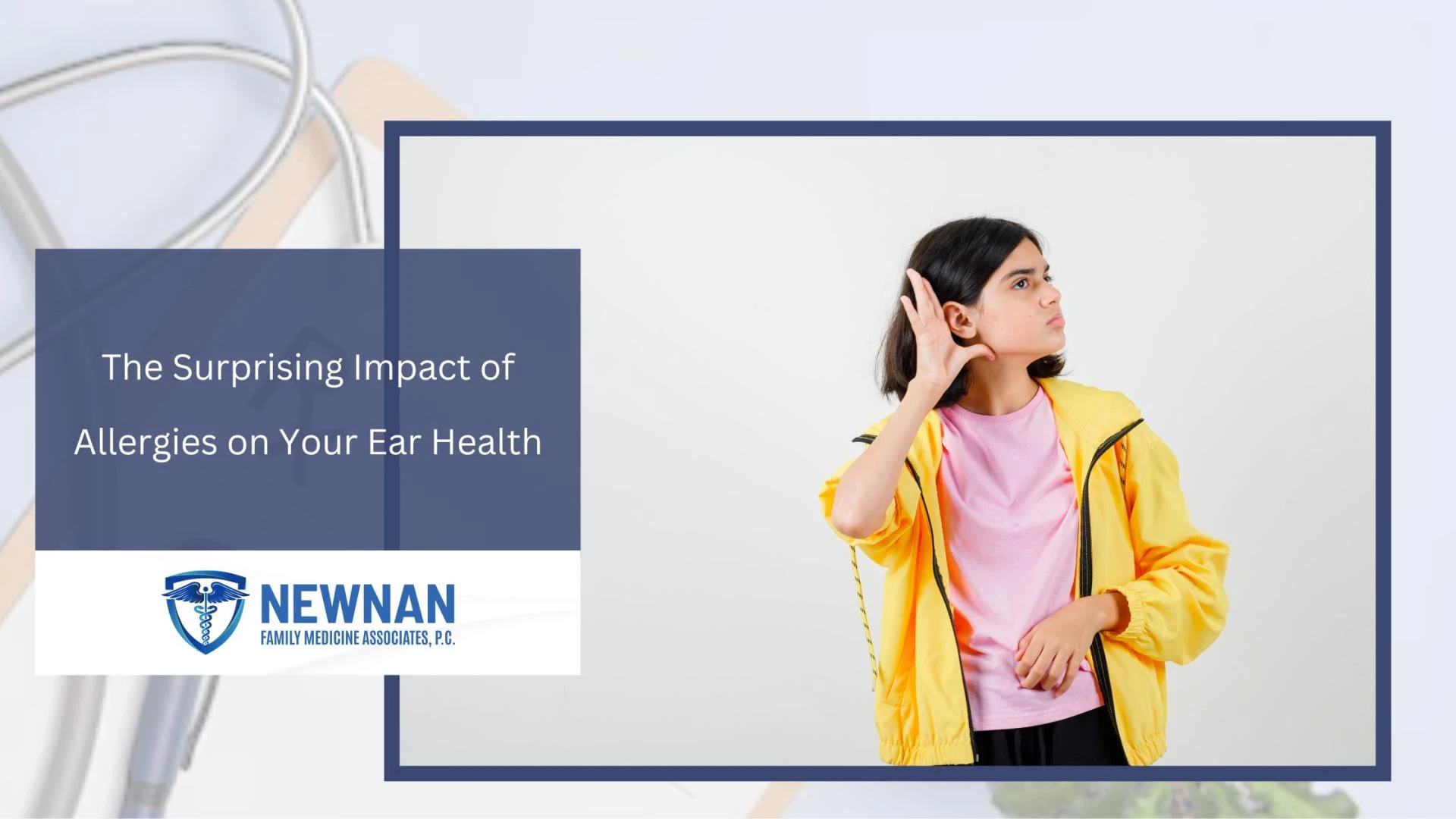

If you’ve ever suffered from seasonal allergies, you know how frustrating they can be - sneezing, congestion, and itchy eyes are common complaints. But what you may not have realized is how allergies can also impact your ears. I’ve personally dealt with that uncomfortable clogged-ear sensation during allergy season, and if you have too, you’re not alone. Let’s explore why this happens and what you can do to find relief.
How Allergies Impact Your Ears
Our ears, nose, and throat are all connected, so when allergies cause inflammation in one area, it can quickly affect the others. Here are a few ways allergies may be messing with your ears:
1. That Annoying Full or Clogged Feeling
I remember the first time I felt like my ears were stuffed with cotton during allergy season. It turns out, allergies can cause inflammation in the Eustachian tubes, which regulate pressure in the middle ear. When they get blocked, you may experience pressure buildup, muffled hearing, or a sensation of fullness.
2. More Frequent Ear Infections
If you’ve ever had an ear infection after battling allergies, it’s no coincidence. The excess mucus produced during an allergic reaction can trap bacteria in the ear, increasing the chances of an infection.
3. Itchy Ears That Drive You Crazy
Itchy ears are another common complaint during allergy season. Pollen, dust, and other allergens can irritate the ear canal, making you want to scratch. But be careful - scratching too much can make things worse!
4. Feeling Off-Balance or Dizzy
One allergy season, I noticed I felt a little wobbly on my feet. That’s because the inner ear, which helps control balance, can be affected by inflammation and fluid buildup, leading to dizziness or even vertigo.
Signs That Allergies Are Affecting Your Ears
If you’re wondering whether allergies are the cause of your ear discomfort, here are some telltale signs:
- A clogged or full sensation in your ears
- Muffled hearing
- Persistent itching
- Increased ear infections during allergy season
- Dizziness or balance problems
- Popping or crackling sounds when swallowing
How I Manage Allergy-Related Ear Issues
Over the years, I’ve found a few practical ways to keep my ears happy even when allergies strike.
1. Reduce Exposure to Allergens
- I use an air purifier at home to keep the air free of pollen and dust.
- Keeping windows shut during high pollen seasons has helped reduce symptoms.
- I always shower and change clothes after being outside to remove allergens.
- Regularly washing bedding helps minimize dust mites that can trigger reactions.
2. Keep Sinuses and Ears Clear
- A saline rinse has been a game-changer for clearing allergens from my nasal passages.
- Staying hydrated helps keep mucus thin and prevents it from clogging my ears.
3. Easing Ear Discomfort
- A warm compress on my ears helps relieve pressure and promote drainage.
- I’ve found that chewing gum or yawning helps pop my ears when they feel clogged.
- I avoid using cotton swabs since they can push wax and allergens deeper inside.
When It’s Time to See a Doctor
For most people, allergy-related ear problems are temporary. But if you’re dealing with any of the following, it may be time to consult a professional:
- Ongoing ear pain or discomfort
- Hearing Loss in One Ear that doesn’t improve
- Frequent ear infections
- Severe dizziness or balance issues
If long-term hearing issues arise, a doctor might suggest a hearing aid to improve hearing clarity and overall quality of life.
Final Thoughts
Allergies can be more than just a seasonal nuisance - they can significantly affect your ears. From clogged sensations to infections and balance problems, these symptoms can be frustrating. But with a little effort, you can manage allergy-related ear issues and stay comfortable throughout the season. If symptoms persist, don’t hesitate to seek professional advice. After all, taking care of your ears is just as important as managing the sneezing and sniffles!
Disclaimer: Please note that this information is for educational purposes only. There is no patient-doctor relationship established. Please consult your healthcare provider for individualized recommendations.











Sign in to leave a comment.