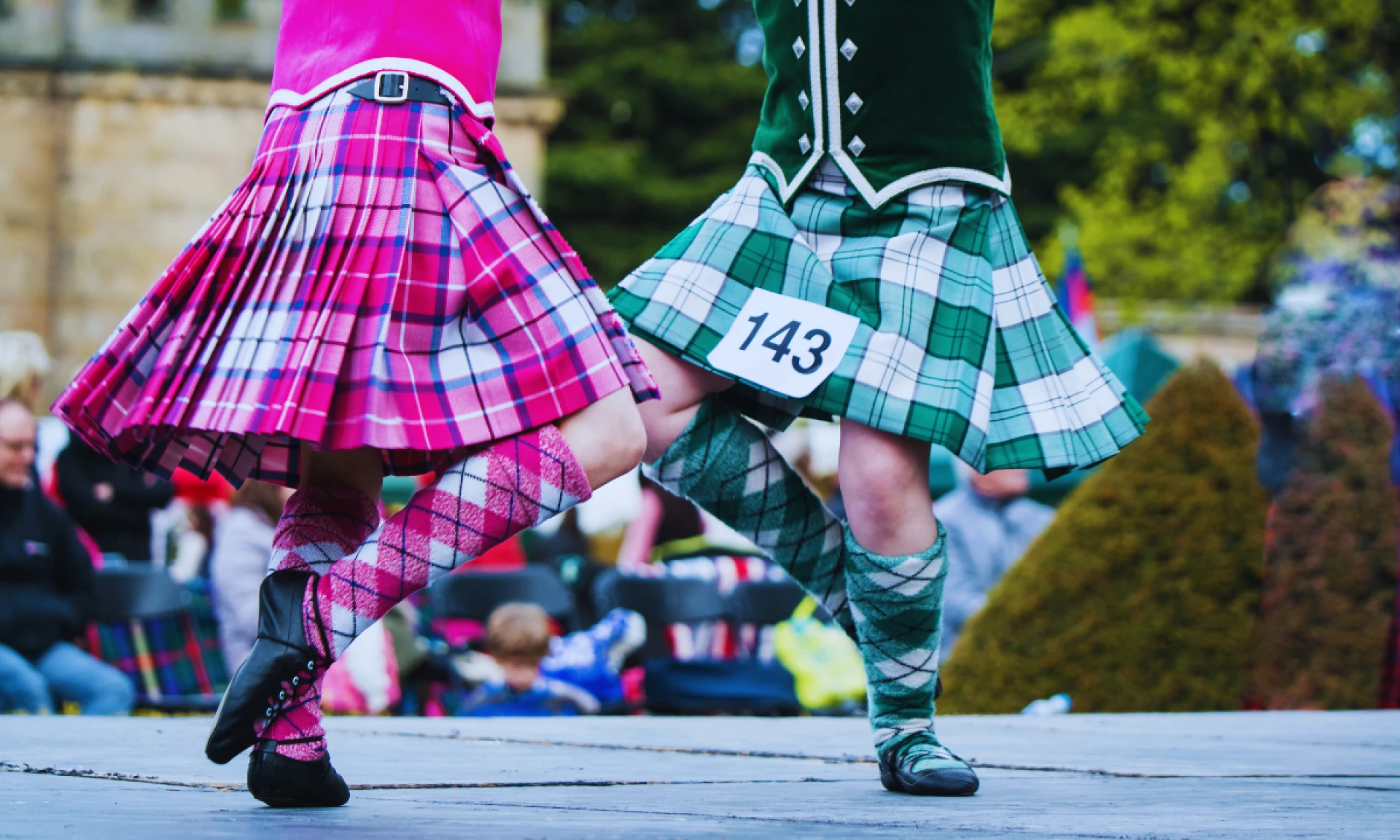

The Scottish kilt is more than just a piece of clothing; it is a cultural emblem that has stood the test of time. Worn with pride by Scots for centuries, the kilt represents heritage, tradition, and a strong sense of identity. From ancient warriors to modern celebrations, the Scottish kilt remains an iconic garment that continues to be admired and worn across the world.
A Rich History Rooted in Tradition
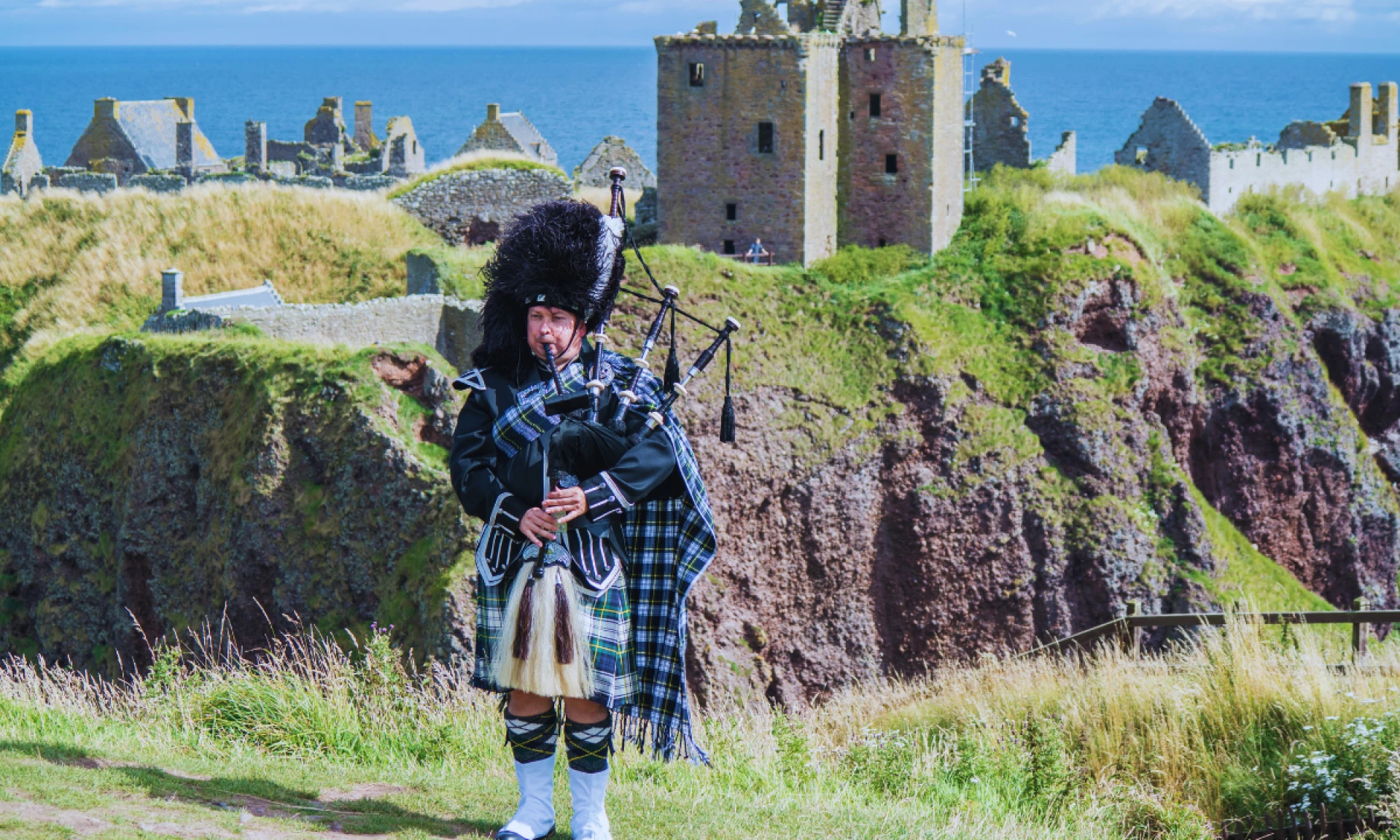
The origins of the Scottish kilt can be traced back to the 16th century. Initially, the Great Kilt (Feileadh Mòr) was worn as a full-length garment that provided both warmth and flexibility in the harsh Scottish Highlands. Over time, the design evolved into the modern knee-length kilt (Feileadh Beag), making it more practical for everyday use. This transformation cemented the Scottish kilt as an essential part of Highland dress.
During the Jacobite uprisings, the Scottish kilt was seen as a symbol of rebellion against British rule. In response, the British government banned its use in 1746 under the Dress Act. However, this law was repealed in 1782, allowing Scots to once again proudly wear their kilts. Today, the Scottish kilt is not just worn in Scotland but has gained international recognition as a symbol of Celtic pride and Scottish heritage.
Different Types of Scottish Kilts
While the traditional tartan kilt remains the most popular, there are several variations that cater to different occasions and personal styles:
- Traditional Tartan Kilt – Typically associated with clans and family heritage, tartan kilts feature distinctive patterns and colors that represent Scottish ancestry.
- Utility Kilt – A modern adaptation designed for practicality, featuring pockets and durable materials, making it suitable for everyday wear.
- Hybrid Kilt – A blend of tartan and utility kilts, providing a balance between tradition and functionality.
- Leather Kilt – A bold and contemporary style that adds an edgy twist to the classic Scottish kilt.
How to Wear a Scottish Kilt Properly
Wearing a Scottish kilt requires attention to detail to maintain its traditional appeal. The key components include:
- Kilt Belt and Buckle – Helps secure the kilt and adds an element of formality.
- Sporran – A small pouch worn around the waist, essential for carrying personal items.
- Kilt Hose and Flashes – Knee-high socks paired with decorative flashes to complete the look.
- Prince Charlie Jacket or Argyll Jacket – Depending on the occasion, these jackets add a formal or semi-formal touch.
- Ghillie Brogues – Traditional Scottish shoes that complement the kilt ensemble.
Scottish Kilts in Modern Fashion
While the Scottish kilt remains deeply rooted in tradition, it has also found its place in contemporary fashion. Many designers incorporate kilts into their collections, blending traditional tartans with modern cuts and fabrics. Celebrities, musicians, and fashion enthusiasts worldwide have embraced the kilt, proving that it is a versatile and timeless garment.
In formal settings, the Scottish kilt is worn at weddings, Highland games, and special ceremonies. In contrast, casual kilts are worn at festivals, concerts, and everyday occasions, reflecting a more relaxed yet stylish approach.
Why the Scottish Kilt is More Than Just Attire
The Scottish kilt is not just about fashion; it embodies cultural pride, heritage, and identity. When worn, it tells a story of resilience, honor, and belonging. Whether worn by a native Scot or an admirer of Scottish culture, the kilt fosters a connection to history and tradition.
At Scotland Clothing, we understand the significance of the Scottish kilt and offer a wide selection of high-quality kilts to suit every style and occasion. From traditional tartan kilts to contemporary designs, our kilts reflect authenticity and craftsmanship, ensuring that wearers can proudly carry on the legacy of Scottish heritage.
Conclusion
The Scottish kilt is more than just a garment; it is a testament to Scotland’s rich history and enduring spirit. Whether worn for formal occasions, casual outings, or cultural events, the kilt remains a timeless piece that continues to captivate and inspire. By embracing the Scottish kilt, wearers not only celebrate a proud tradition but also keep a centuries-old legacy alive for future generations.











Sign in to leave a comment.