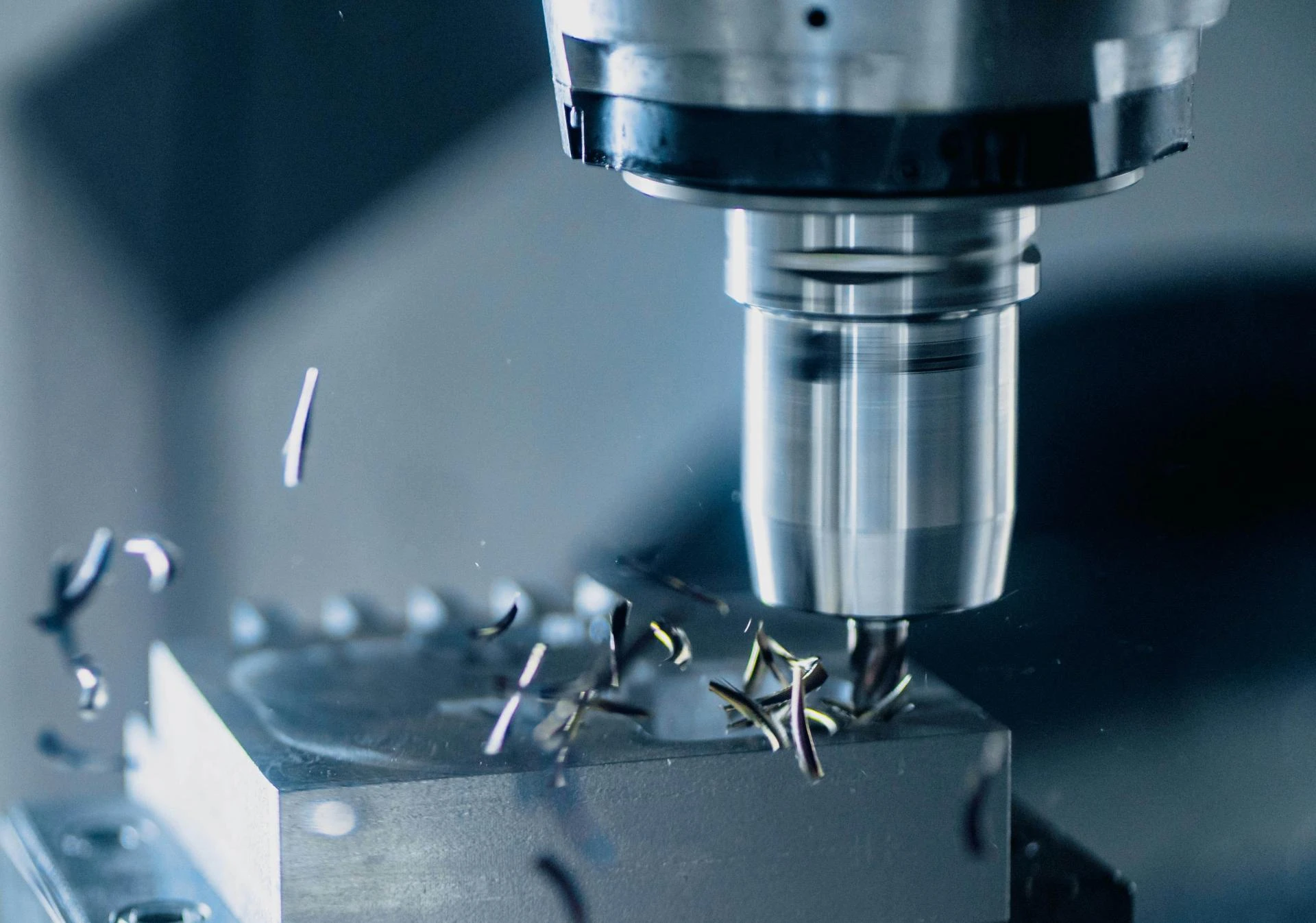

CNC (Computer Numerical Control) turning is a cornerstone of modern manufacturing, enabling the production of highly precise and complex parts with unmatched efficiency.
This subtractive manufacturing process involves rotating a workpiece while a cutting tool removes material to create the desired shape. Thanks to its versatility, CNC turning is used across a wide range of industries, from aerospace to medical devices.
In this article, we’ll explore the top 10 applications of CNC turning in modern manufacturing, showcasing its critical role in driving innovation and productivity.
1. Aerospace Industry
The aerospace industry demands components that meet extremely high standards of precision, durability, and reliability.
CNC turning is indispensable for producing parts like turbine blades, engine components, and landing gear fittings. These parts often require tight tolerances and are made from tough materials like titanium and nickel-based alloys, which CNC turning machines handle with ease.
In addition, the ability to produce lightweight yet strong components is crucial for improving fuel efficiency and performance in aircraft.
2. Automotive Industry
CNC turning plays a vital role in the automotive sector, where it is used to manufacture a variety of components, including engine parts, transmission shafts, brake rotors, and suspension components.
The process ensures high precision and consistency, which are essential for the safety and performance of vehicles. Additionally, CNC turning is used in the production of custom and high-performance parts for luxury and racing cars, where precision and quality are paramount.
3. Medical Devices
The medical industry relies on CNC turning to produce intricate and highly accurate components for surgical instruments, implants, and diagnostic equipment. For example, CNC turning is used to create bone screws, hip joint replacements, and dental implants.
These parts often require biocompatible materials like stainless steel, titanium, and medical-grade plastics, which CNC turning machines can process with exceptional precision.
4. Electronics And Telecommunications
In the electronics industry, CNC turning is used to manufacture small, precise components like connectors, housings, and heat sinks. These parts are often made from materials like aluminium and copper, which offer excellent thermal and electrical conductivity. CNC turning ensures that these components meet the tight tolerances required for electronic devices, ensuring optimal performance and reliability.
The telecommunications sector also benefits from CNC turning, particularly in the production of waveguide components and antenna parts.
5. Energy Sector
The energy industry, including renewable energy, relies on CNC turning for the production of critical components. For example, CNC turning is used to create parts for wind turbines, such as shafts and bearings, as well as components for oil and gas drilling equipment.
Meanwhile, in the solar energy sector, CNC turning is used to produce precision parts for solar panel mounting systems and tracking mechanisms.
6. Defence And Military
The defence industry requires components that are both highly durable and precise, making CNC turning an essential manufacturing process.
CNC turning is used to produce parts for firearms, missile systems, and military vehicles. These components often require materials that can withstand extreme conditions, such as high-strength alloys and composites.
7. Industrial Machinery
CNC turning is widely used in the production of components for industrial machinery, such as pumps, valves, and hydraulic systems. These parts often require complex geometries and tight tolerances to ensure smooth operation and longevity.
CNC turning allows manufacturers to produce these components efficiently and with high accuracy, reducing downtime and maintenance costs for industrial equipment.
8. Consumer Goods
From household appliances to sporting equipment, CNC turning is used to manufacture a wide range of consumer goods. For example, CNC turning is used to produce parts for washing machines, refrigerators, and power tools.
Additionally, in the sporting goods industry, CNC turning is used to create components for bicycles, golf clubs, fitness equipment, and more.
9. Marine Industry
The marine industry relies on CNC turning for the production of components that can withstand harsh environments, such as saltwater and extreme temperatures.
CNC turning is used to create parts for ship engines, propellers, and navigation systems. These components often require corrosion-resistant materials like bronze and stainless steel, which CNC turning machines can process with precision and efficiency.
10. Custom And Prototype Manufacturing
CNC turning is an invaluable tool for custom and prototype manufacturing, where small batches of highly specialized parts are required. Whether it’s a one-off prototype for a new product or a custom component for a unique application, CNC turning offers the flexibility and precision needed to bring ideas to life.
The ability to quickly produce prototypes allows manufacturers to test and refine designs, reducing time-to-market for new products.
Why CNC Turning Is Essential For Modern Manufacturing
The widespread use of CNC turning across these industries highlights its importance in modern manufacturing.
Here are some key reasons why CNC turning is so valuable:
1. Precision And Accuracy: CNC turning machines can achieve tolerances as tight as a few micrometres, ensuring that parts meet exact specifications.
2. Versatility: CNC turning can work with a wide range of materials, including metals, plastics, and composites, making it suitable for diverse applications.
3. Efficiency: Automated CNC turning processes reduce production time and minimize human error, leading to higher productivity and lower costs.
4. Scalability: CNC turning is ideal for both small-scale prototyping and large-scale production, offering flexibility for manufacturers.
5. Consistency: CNC turning ensures that every part produced is identical, which is critical for industries like aerospace and medical devices.
Manufacturing The Modern World
CNC turning is a foundational technology in modern manufacturing, enabling the production of high-quality, precision components for a wide range of industries. From aerospace and automotive to medical devices and consumer goods, CNC turning plays a critical role in driving innovation and efficiency.
As technology continues to advance, the applications of CNC turning are likely to expand even further, solidifying its position as an indispensable tool for manufacturers worldwide. Whether you’re designing a cutting-edge medical implant or a high-performance automotive part, CNC turning offers the precision, versatility, and reliability needed to bring your vision to life!













Sign in to leave a comment.