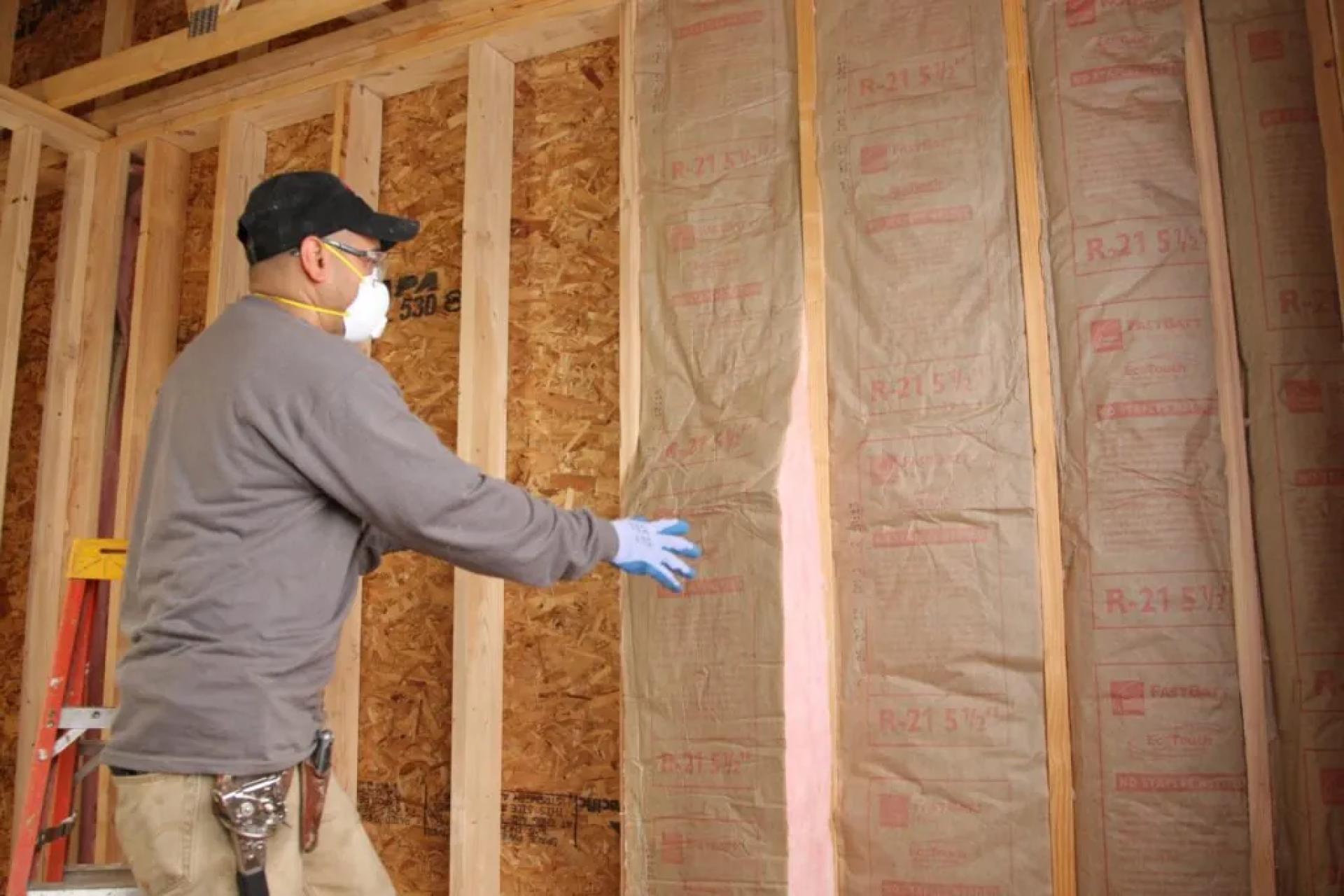
Upgrading professional wall insulation improves comfort, energy efficiency, and long-term property performance for both residential and commercial buildings. Modern insulation materials and techniques deliver more than just temperature control—they address noise, air quality, and even structural value. This guide outlines the top eight benefits, answering the questions property owners often have when considering an insulation upgrade.
1. Reduced Heating and Cooling Costs
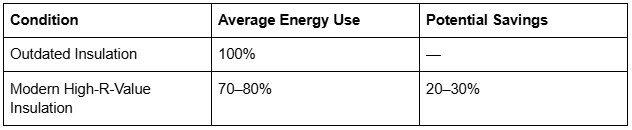
Upgrading insulation directly lowers energy bills by limiting heat transfer. When walls resist temperature changes, heating and cooling systems run less often, using less energy.
How Heat Transfer Affects Energy Use
Poor insulation allows heat to escape in winter and enter in summer, forcing HVAC systems to work harder. An upgrade reduces this loss, creating consistent indoor temperatures.
Table: Energy Savings Before vs. After Insulation Upgrade
2. Improved Indoor Comfort
Better insulation keeps room temperatures stable throughout the day and across seasons, reducing cold drafts and hot spots.
Balanced Room Temperatures
Even temperature distribution prevents areas from feeling uncomfortably warm or cold, improving daily living and working conditions.
Seasonal Comfort Gains
Upgraded insulation adapts to both summer and winter needs, reducing reliance on mechanical heating and cooling.
3. Enhanced Sound Control
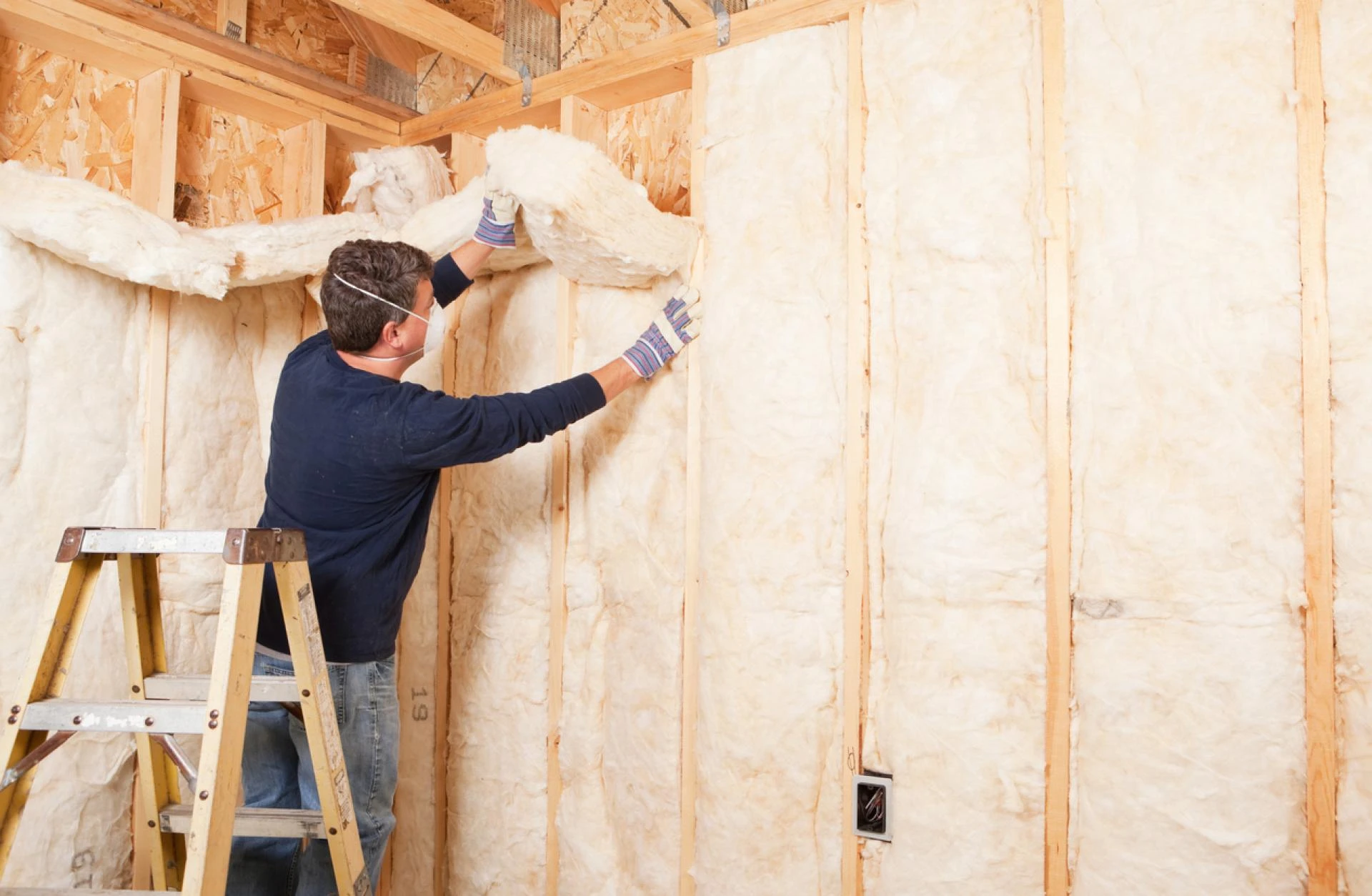
Modern insulation materials help absorb and block sound transfer between rooms and from outside sources.
Noise Reduction Between Spaces
Denser insulation minimizes noise from adjacent rooms or neighboring units in multi-family buildings.
Exterior Noise Control
Busy streets, construction zones, or industrial areas become less disruptive with wall systems designed to reduce external sound infiltration.
4. Increased Property Value
An insulation upgrade can make a property more appealing to buyers or tenants, as it signals lower running costs and better comfort.
Market Appeal Through Efficiency
Energy-efficient homes and offices are more competitive in listings, often attracting higher offers.
Long-Term Asset Protection
High-quality insulation maintains wall integrity by managing moisture and temperature variations, which supports property longevity.
5. Lower Environmental Impact
Better insulation reduces the building’s carbon footprint by lowering energy consumption.
Sustainable Material Choices
Options like cellulose, sheep’s wool, or recycled-content insulation offer high performance with reduced environmental impact.
Reduced Energy Demand
By cutting energy use, upgraded insulation lowers greenhouse gas emissions tied to electricity and fuel generation.
6. Better Moisture Control
Insulation improvements often include vapor barriers or moisture-resistant materials, preventing dampness inside walls.
Protection Against Mold
By reducing condensation, upgraded insulation limits mold and mildew growth that can harm both structure and health.
Structural Integrity Benefits
Moisture management helps avoid rot and damage to framing, drywall, and finishes.
7. Improved Indoor Air Quality
High-performance insulation can help limit dust, pollen, and other pollutants entering through wall gaps.
Air Leakage Prevention
Sealing and insulating together reduces pathways for outdoor air contaminants.
Support for Healthier Spaces
Cleaner air contributes to better respiratory health, especially in homes with allergy-sensitive occupants.
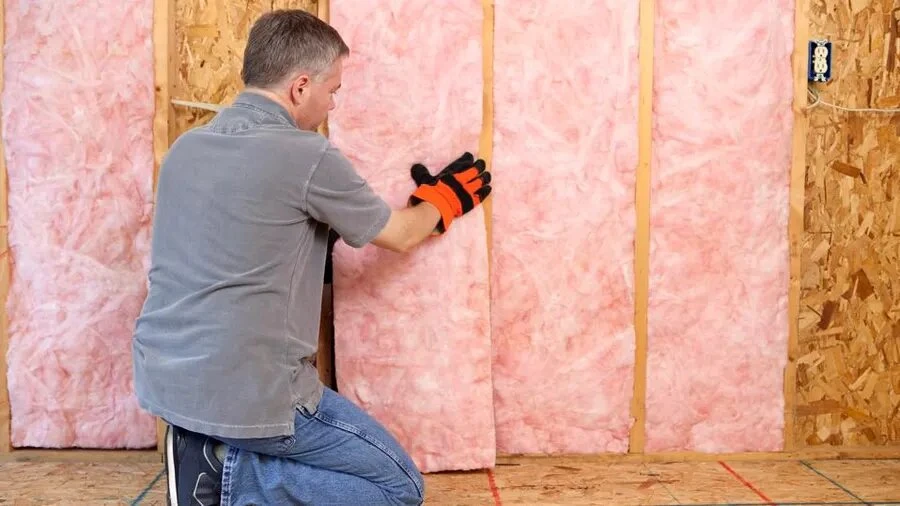
8. Long-Term Cost Efficiency
While upgrades require an initial investment, the savings in energy, maintenance, and repairs can outweigh the cost over time.
Maintenance Savings
With stable indoor conditions, HVAC systems experience less strain, reducing repair needs.
Lifetime Energy Savings
Quality insulation can last decades, locking in efficiency and comfort benefits for years.
Conclusion
Upgrading wall insulation offers more than seasonal comfort. It cuts energy bills, improves sound control, reduces environmental impact, and can even raise property value. Each benefit compounds over time, making it one of the most effective building improvements for both residential and commercial properties. A well-chosen insulation system, installed by the best insulation contractor, enhances daily living, protects structural health, and delivers ongoing savings—making the decision to upgrade a sound investment in both comfort and financial terms.
FAQs
How often should wall insulation be replaced?
Most insulation lasts 20–40 years, but replacement may be needed sooner if it becomes damp, damaged, or compressed, reducing its effectiveness.
Can insulation upgrades be done without removing existing walls?
In many cases, blown-in insulation can be installed through small wall openings, allowing upgrades without full demolition.
Does wall insulation help with summer cooling?
Yes. Insulation slows heat from entering during hot weather, helping air conditioning work more efficiently.
What insulation type offers the best soundproofing?
Mineral wool and dense cellulose are among the most effective for sound control, due to their density and sound-absorbing properties.
Is it better to insulate walls from the inside or outside?
Both methods work, but exterior insulation can improve thermal performance while protecting wall structures, whereas interior upgrades are often less disruptive for occupied spaces.
Reviewer: Ava Clark shared her input based on 6 years of working with spray foam insulation teams. Her focus on customer trust and communication helped shape key parts of this post.










Sign in to leave a comment.