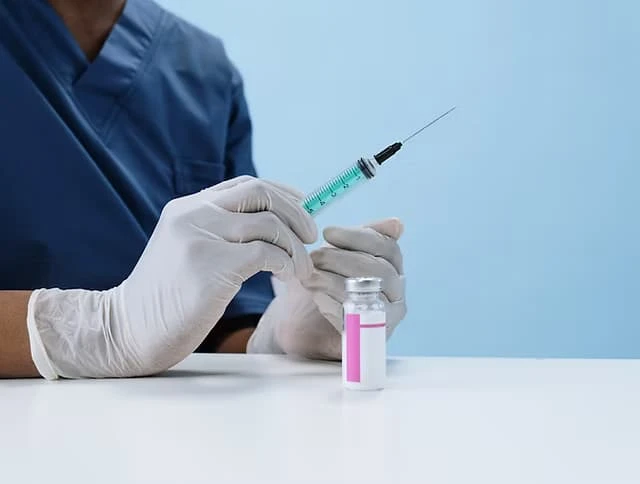

In the ever-evolving landscape of modern medicine, healing peptides have emerged as a focal point of research and clinical application. These small chains of amino acids possess remarkable biological properties that can facilitate healing, enhance recovery, and promote overall health. With their ability to influence cellular processes, healing peptides are gaining traction not only in regenerative medicine but also in various therapeutic areas, including sports medicine, dermatology, and geriatric care. As scientists continue to unlock their potential, understanding the mechanisms and applications of these peptides becomes increasingly vital.
The Mechanisms Behind Healing Peptides
At the core of healing peptides' effectiveness lies their intricate mechanisms of action. Peptides function by interacting with specific receptors on cell surfaces, triggering a cascade of biological responses that can lead to tissue repair and regeneration. For instance, many healing peptides are known to stimulate angiogenesis, the formation of new blood vessels, which is crucial for supplying nutrients and oxygen to damaged tissues. This process is essential in wound healing, where rapid regeneration is needed to restore skin integrity and function.
Moreover, healing peptides can modulate inflammatory responses, reducing chronic inflammation that often hampers the healing process. By regulating cytokine production, these peptides can create a favorable environment for tissue repair, facilitating quicker and more efficient recovery. Their role in promoting collagen synthesis is also noteworthy, as collagen is a key component of the extracellular matrix that supports tissue structure and strength. Collectively, these mechanisms highlight why healing peptides are considered invaluable tools in the advancement of medical therapies.
Applications in Regenerative Medicine
The application of healing peptides in regenerative medicine is one of their most promising areas. Researchers are investigating their potential in treating a variety of conditions, from chronic wounds to degenerative diseases. For example, healing peptides have shown efficacy in enhancing wound healing in diabetic patients, a demographic often plagued by slow recovery due to impaired circulation and immune function. By utilizing these peptides, healthcare providers can offer a treatment option that not only accelerates healing but also improves the quality of life for patients.
In addition to wound healing, there is burgeoning interest in the use of healing peptides for cartilage repair and muscle regeneration. Athletes, in particular, are exploring peptide therapies to recover from injuries more swiftly and return to peak performance. The potential for these peptides to stimulate muscle growth and repair damaged tissues opens new avenues for rehabilitation strategies, allowing athletes to regain their competitive edge.
Emerging Trends in Peptide Therapy
As the field of peptide therapy continues to expand, several trends are emerging that underscore the growing interest in healing peptides. One notable trend is the increased focus on personalized medicine, which tailors treatments to individual patient needs. This approach is particularly relevant in the context of peptide therapy, where variations in genetic makeup can influence the efficacy of specific peptides. Research is underway to understand how individual responses to peptides can be optimized, paving the way for more effective and targeted treatments.
Furthermore, advancements in biotechnology are enabling the synthesis of novel peptides with enhanced therapeutic properties. Scientists are utilizing techniques such as peptide engineering to modify existing peptides or create entirely new ones with improved stability and bioavailability. This innovation holds the promise of revolutionizing the way healing peptides are utilized in clinical practice, providing healthcare providers with a broader toolkit for patient care.
Safety and Regulatory Considerations
As with any emerging therapy, safety and regulatory considerations are paramount in the discourse surrounding healing peptides. While many peptides have demonstrated promising results in preclinical studies, comprehensive clinical trials are essential to establish safety profiles and therapeutic efficacy. Regulatory bodies, including the FDA, are actively evaluating peptide therapies to ensure they meet stringent safety standards before gaining approval for widespread use.
Healthcare providers must remain vigilant and informed about the regulatory landscape surrounding peptide therapies. Ethical considerations also play a critical role in the implementation of these treatments, as practitioners must carefully weigh the potential benefits against any associated risks. By adhering to best practices and maintaining a patient-centered focus, healthcare providers can responsibly integrate healing peptides into their treatment protocols.
The Future of Healing Peptides in Medicine
Looking ahead, the future of healing peptides in medicine appears bright. As research continues to unveil their potential, it is likely that we will see an expansion of therapeutic applications across various medical disciplines. The integration of healing peptides into standard treatment protocols could transform the way chronic conditions are managed, offering patients innovative solutions for recovery and improved health outcomes.
Moreover, as public awareness of peptide therapies grows, patient demand for these treatments is likely to increase. This shift may prompt further investment in research and development, leading to the discovery of new peptides with even more potent healing properties. The potential for healing peptides to enhance the quality of life for patients across diverse demographics remains a driving force behind ongoing research efforts.
Conclusion
In conclusion, the exploration of healing peptides represents a significant advancement in the field of medicine, showcasing their potential to revolutionize recovery and promote health in various applications. Through their unique mechanisms of action, these peptides offer new hope for individuals facing healing challenges, from athletes recovering from injuries to patients with chronic wounds. As research progresses and more is understood about their capabilities, practitioners are encouraged to consider the role of healing peptides in their treatment approaches. For those interested in learning more about peptide therapies and their applications, Edge Peptide Therapy serves as a valuable resource in navigating this exciting and rapidly evolving field.










Sign in to leave a comment.